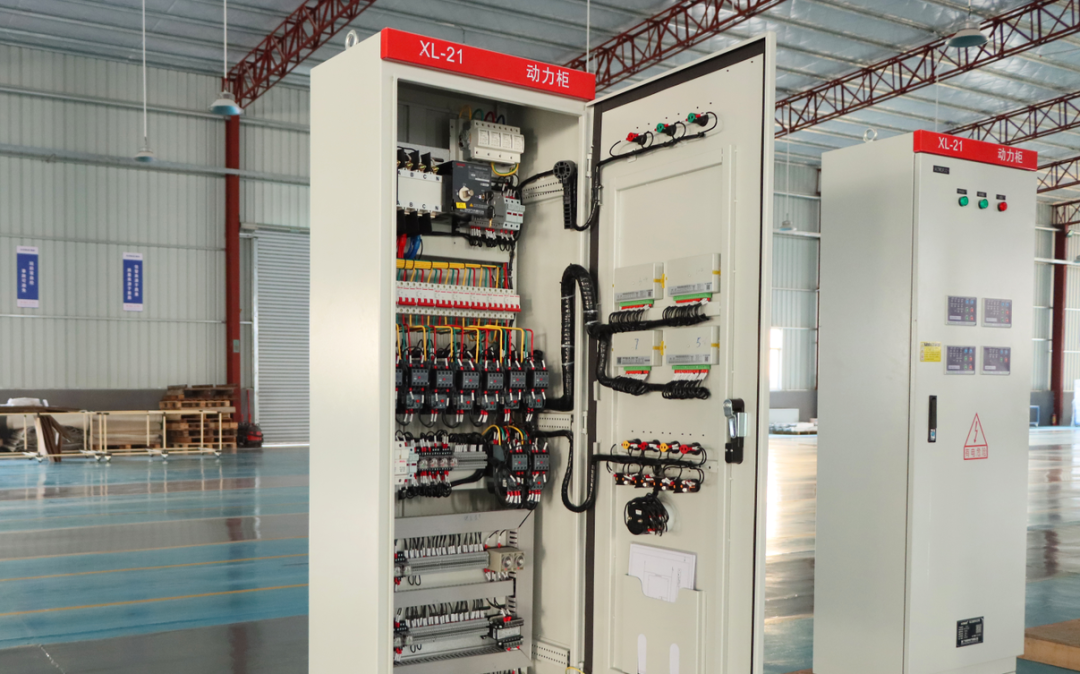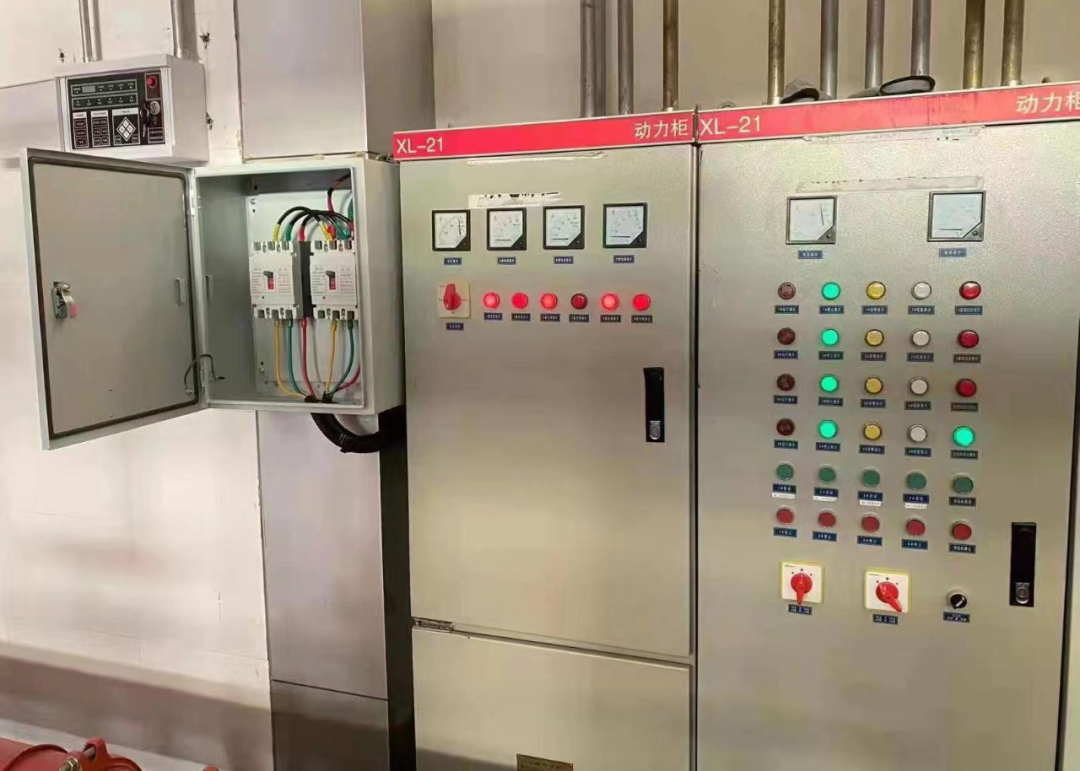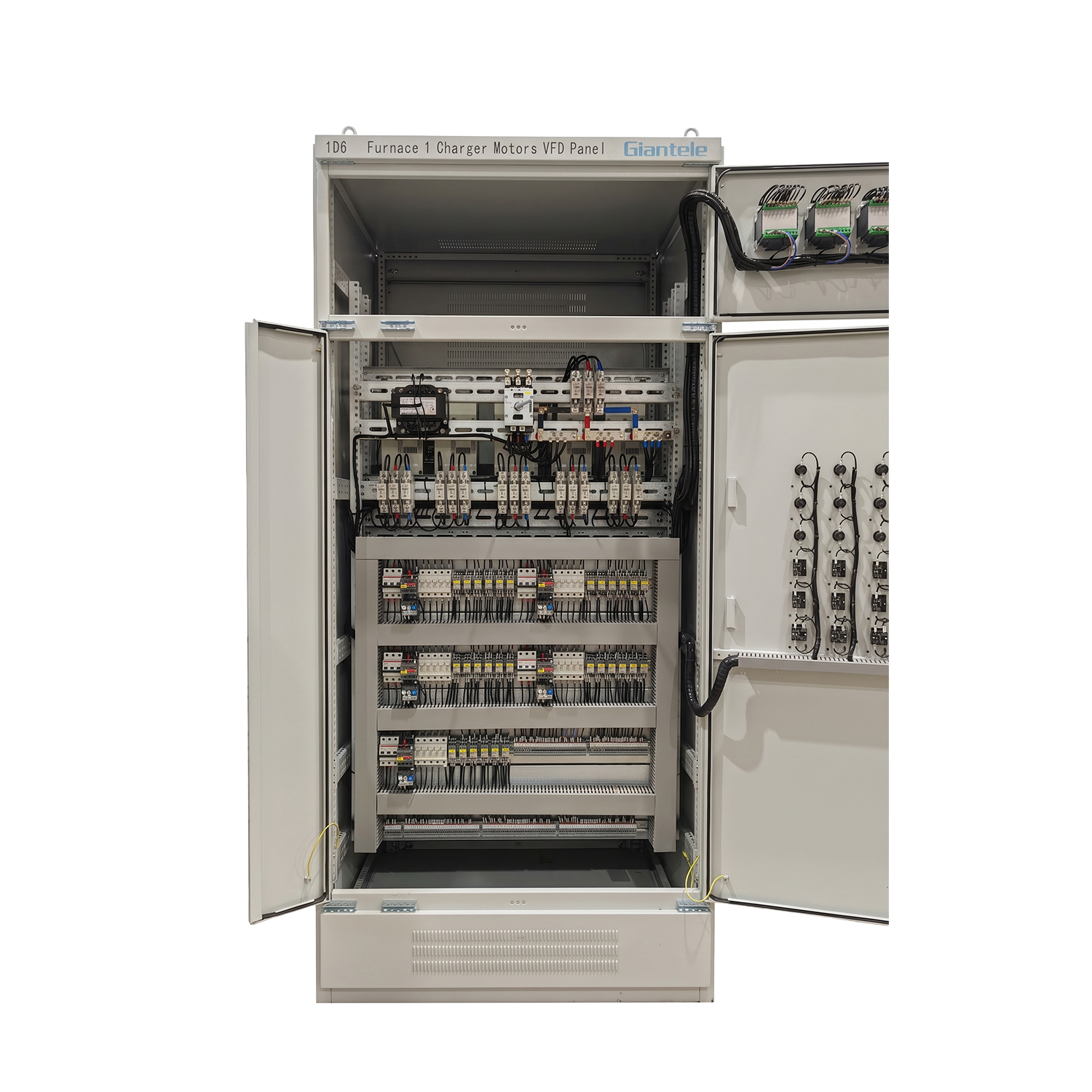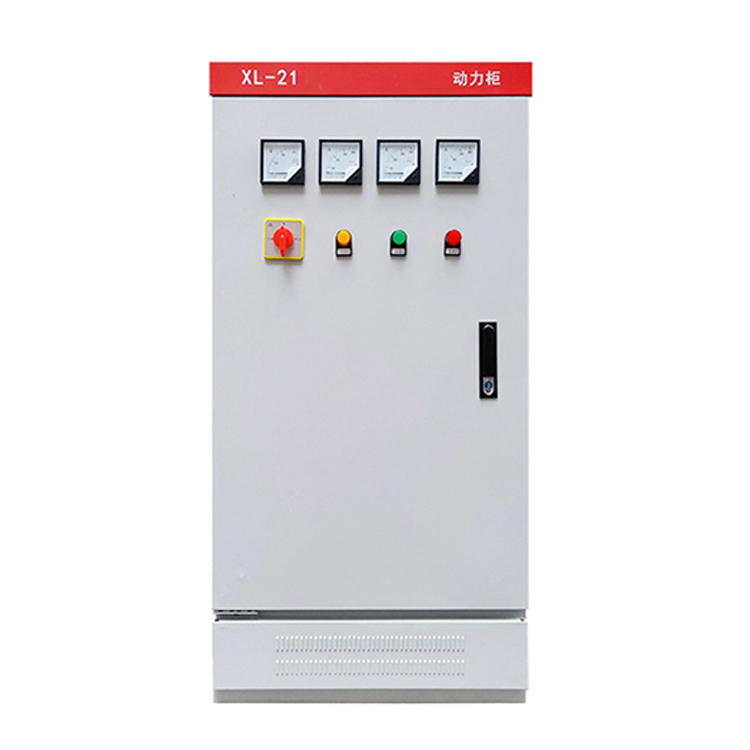

Quotes for a main distribution board with remote monitoring are easy to collect and hard to compare. The board, the current transformers, the meter and the protocol all hide inside one price. Fix the specification first, then ask panel board manufacturers to price the same object.
Key takeaways
- Monitoring is four parts, not one: current transformers, a meter, a protocol and something that stores the data.
- A quote that names no CT ratio, no accuracy band and no protocol is a price, not an offer.
- Write the same six RFQ lines and every vendor prices the same board.
- On remote sites the enclosure, the heating and the cable run decide whether data keeps arriving.
- Compare evidence, not totals: single-line drawing, busbar calculation and routine test sheet.

The display is the last link, not the system
A screen on the door is the part visitors notice. The measurement sits behind it, in the current transformers and the secondary wiring.
Ask what the display reads and where the numbers go next. A screen that stores nothing is a meter, not monitoring.
What remote monitoring adds to a main distribution board
Monitoring adds four components to a board that would otherwise sit passive. Current transformers measure the current. A meter turns that into data, a protocol moves it, and a platform stores it. Remove one and the chain stops.
The names change by country and by drawing office. One tender asks for distribution panels, the next for a mains distribution panel. Others write electrical power panel, and site teams simply say db boards. The duty never changes with the label.
On a plain board you buy busbar, breakers and steel. On a monitored board you also buy measurement. That is where quotes diverge, because two vendors can price identical steel and a very different instrument set.
Plant teams that already run industrial power services on older panels can extend the same loop to a new board. That usually costs less than standing up a separate monitoring system.
The six RFQ lines that decide your quote
Write these six lines and every vendor prices the same object. Without them you are comparing six different boards, and the cheapest offer wins for the wrong reason.
| RFQ line | What to write | Why it moves the price |
|---|---|---|
| Current transformers | Ratio, class and mounting position on the busbar | Class 0.5 metering CTs cost more than protection CTs |
| Meter accuracy | Accuracy band, and whether it is a network analyser | Harmonic and power quality data need a heavier instrument |
| Protocol and port | Modbus RTU or TCP, with the physical port and baud rate | A gateway or an industrial switch becomes its own line |
| Where data lands | Local display, plant SCADA or a hosted platform | Integration hours appear only when you name the target |
| Enclosure and heating | IP rating, ventilation and anti-condensation heater | Electronics fail early in humid or dusty rooms without it |
| Spare ways and spare rail | Roughly 20 percent spare outgoing ways | The next feeder connects without a second board |
The rating of the distribution board main switch belongs on the same sheet. A monitored board still has to clear faults, and no amount of data changes the short-circuit duty.
How to compare two quotes line by line
Put the two offers side by side and read the metering block first. Vendors differ most there, because instruments are the easiest line to trim when a price has to come down.

Current transformers sit on the busbar
The CT is the first link in the chain, and its position decides what you can actually measure.
Incomer CTs give you one total for the building. CTs on the large feeders show which line is costing you money.
An offer that lists a meter but no CT ratio has not solved the measurement. The two parts must match, and a mismatch shows up as a reading that drifts once the board is loaded.
This planning sits inside power distribution system design, not outside it. Where the measurement points go, the cables follow, and the cable schedule changes with them.
Assemblies of this type fall under IEC 61439. It fixes the clearance, the segregation and the temperature rise a board has to prove. The routine test sheet is where that proof appears for your own unit.
Ask power panel manufacturers for that sheet by name. A supplier who assembles boards sends a drawing. A manufacturer who engineers them also sends the calculation and the test scope.
A quality file held under ISO 9001 keeps the device certificates and the test records together. That matters when a reading is questioned two years after handover.
What changes on remote and outdoor sites
Distance changes the package more than the board itself. Heat, humidity, dust and voltage drop all rise at a remote site. A board serving a pump station, a quarry face or a solar field meets all four.

Three items that decide whether the data arrives
Monitoring hardware is the most heat sensitive item in the assembly, so where you mount it matters. Put the meter and the communication module in a ventilated compartment. Keep them away from the busbar heat and clear of the cable bending space.
Two more items follow from distance. An anti-condensation heater keeps the electronics dry through a cold night after a humid day. A surge arrester at the incoming section protects the module from the same transient the breakers absorb.
Energy data also has a commercial side. The reliability and outage figures published by the IEA show what an unplanned stop costs a plant. Monitoring is how a maintenance team sees a problem forming, rather than discovering it afterwards.
Questions to put to panel board manufacturers
Three questions separate a board builder from a board engineer. Ask them before price, not after, because the answers change what you should be buying.
- What is the CT class and ratio for each metering point? A vague answer means the measurement was never designed.
- Which protocol leaves the board, and what converts it? If a gateway is needed, it belongs in the offer.
- Who commissions the data path? Wiring a meter is easy. Making the numbers appear in your system is the part that gets skipped.
Check the enclosure question in the same conversation. A credible industrial enclosures manufacturers list states which IP ratings are standard. It also says which ones need a new drawing.
Frequently asked questions
Can I get quotes for a monitored board from any board supplier?
What accuracy class do I need on the current transformers?
Is remote monitoring worth the extra cost on one board?
Do I need a cloud platform, or is SCADA enough?
Which IP rating suits an outdoor distribution board?
How long should the board, the metering and the commissioning take?
Final thoughts
A monitored board is a specification problem before it is a price problem. Write the six RFQ lines, demand the test sheet, and the quotes you collect become comparable. Send Giantele your load list and metering points for a board priced with the data path marked.
Need a monitored board quoted as one package?
Share the load list, the metering points and the protocol your plant system expects. We return a layout with the CT ratios, the accuracy bands and the routine test scope named.