You are wiring a pump station next month and the client wants the motor starters speced, delivered, and installed in three weeks. A contractor who knows how motor starters work can order the right enclosed or combination unit in one call. A contractor who does not spends the budget on rush freight and rework.
This guide covers the starter basics and what to expect from wholesale motor control panel distributors.
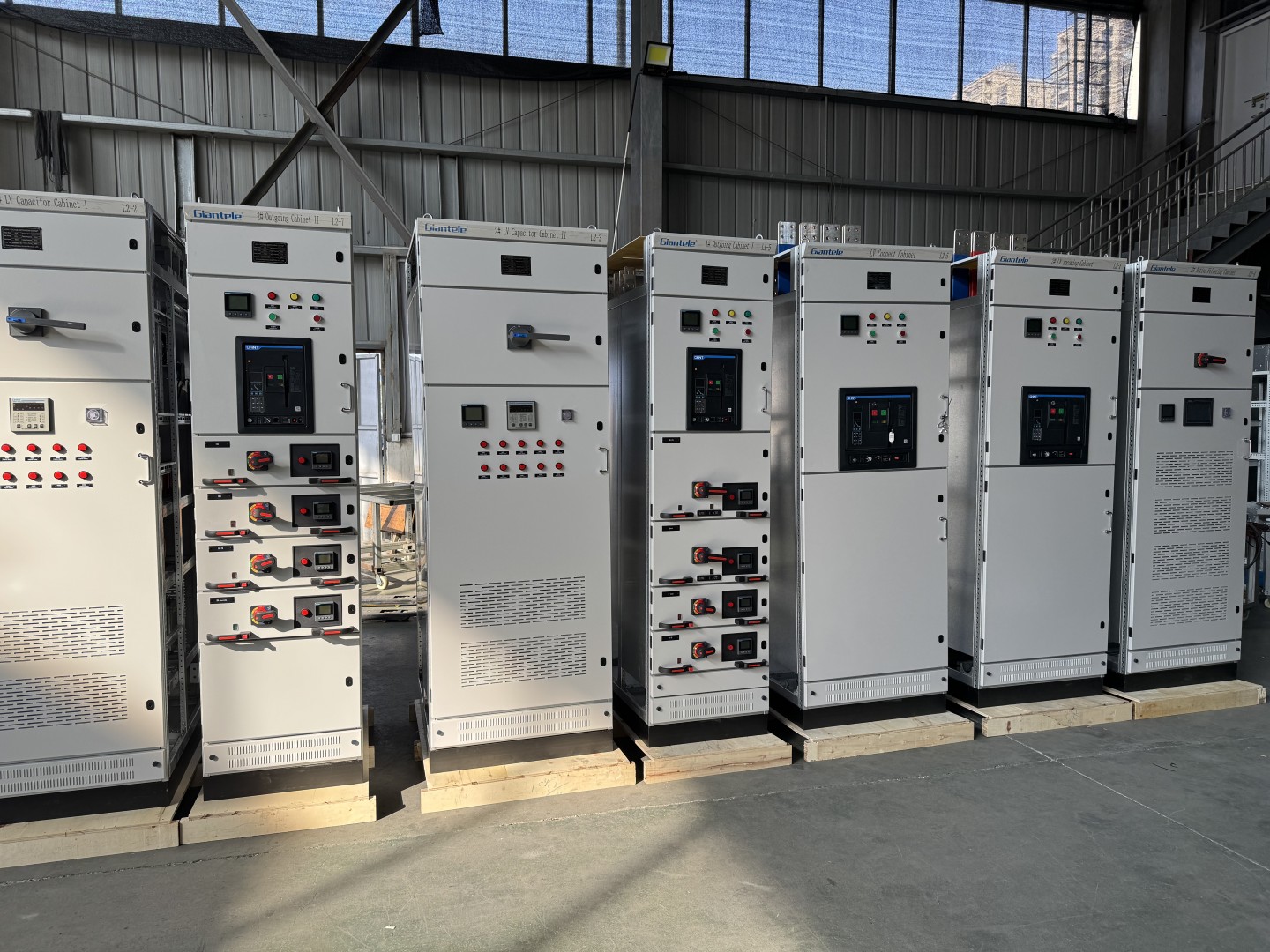
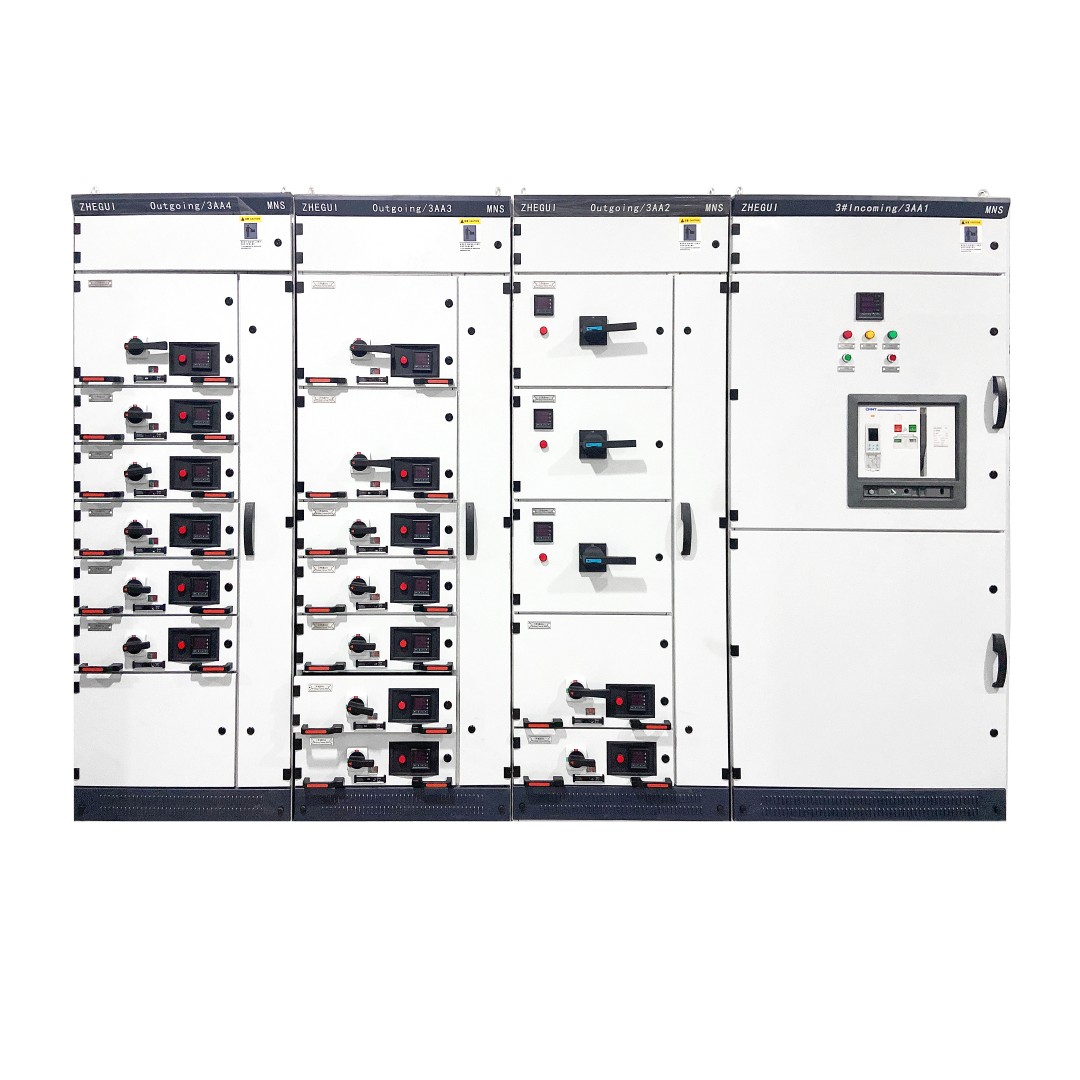
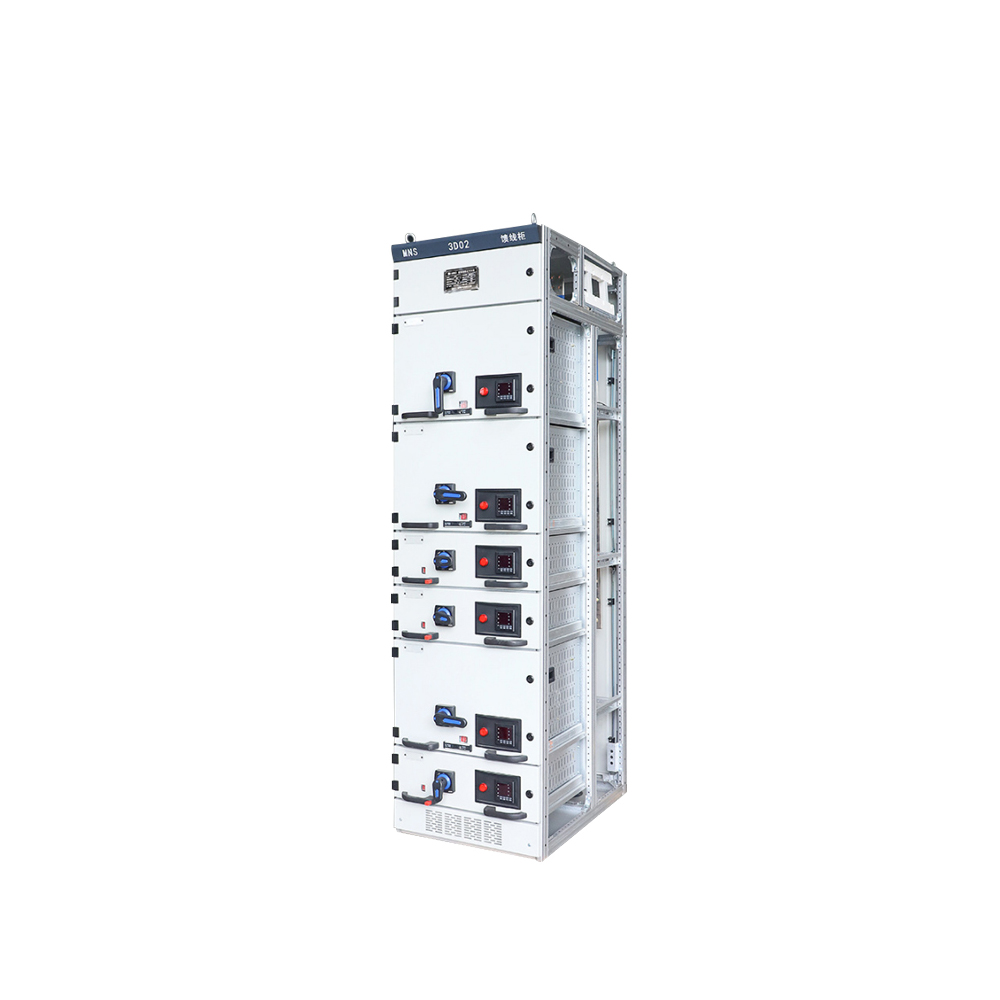
Wholesale motor control panels for contractors are stocked, tested assemblies that arrive ready to terminate. You wire the line side, connect the motor, and commission. No fabrication, no waiting for a panel shop. For installers working across water treatment, mining, and manufacturing sites, this is how jobs stay on schedule.
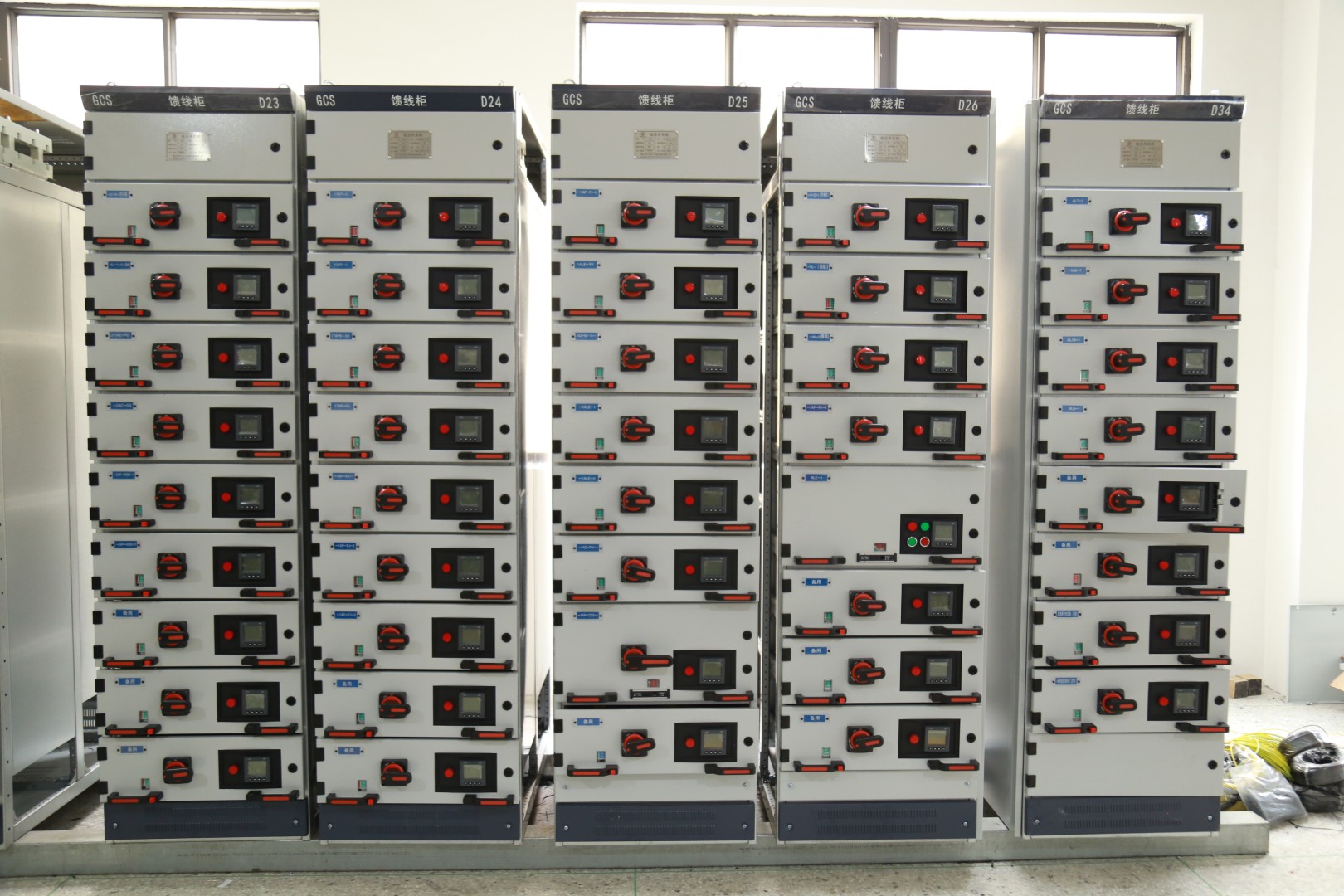
A motor control center extends the same principle to a bank of motors in one assembly, which is where multi-motor jobs get their biggest schedule win.
Key takeaways
- How do motor starters work: A starter closes the circuit, delivers the motor's starting inrush, then protects the running load with an overload relay. That is the whole job.
- Enclosed vs combination starter: An enclosed motor starter is a starter in a box. A combination motor starter adds a disconnecting means in the same enclosure. The combo unit is what most contractors should install.
- Buy from a distributor who stocks: Wholesale motor control panel distributors with in-stock assemblies ship in days, not the 8-12 weeks of a custom build.
- Automated control systems integration: Modern starter panels accept PLC or remote signals, so a contractor can offer automation upgrades without a custom panel build.
- CE certified, IEC 60947-4-1 compliant: Giantele starter panels and motor control assemblies carry CE certification for projects across Africa, the Middle East, and Southeast Asia.
How do motor starters work: the starting sequence
How does a motor starter work? It does three things in sequence. First, it connects the motor to the supply through a contactor. Second, it delivers the inrush current the motor needs to accelerate its load. Third, it monitors running current through an overload relay and disconnects the motor if the load stalls or overheats.
The starting inrush is the number every contractor must respect. A three-phase induction motor draws 6-8 times its full-load current for the first second or two. The contactor must handle that surge, and the overload relay must ignore it while still protecting the running motor.
Get the coordination wrong and you either trip on every start or cook the motor in a stall. Per IEC 60947-4-1, contactors and starters are tested for both utilization category AC-3 (direct starting) and AC-4 (reversing or inching), so the catalog rating actually means something.
Motor starters: the components inside
- Contactor: The power switch. Coil pulls in, main contacts close, motor gets supply. Rated by utilization category and make-break duty.
- Overload relay: Thermal or electronic. Tracks running current, trips on sustained overload, and protects the winding.
- Control circuit: Start and stop pushbuttons, or remote signals from a PLC in an automated control system.
- Motor controlling system logic: Interlocks, phase-loss detection, and manual-auto selection live in the control circuit, not the power path.
An industrial control panel that houses these components turns a loose collection of parts into a tested assembly. That is the difference between a panel you trust and a project that keeps you up at night.
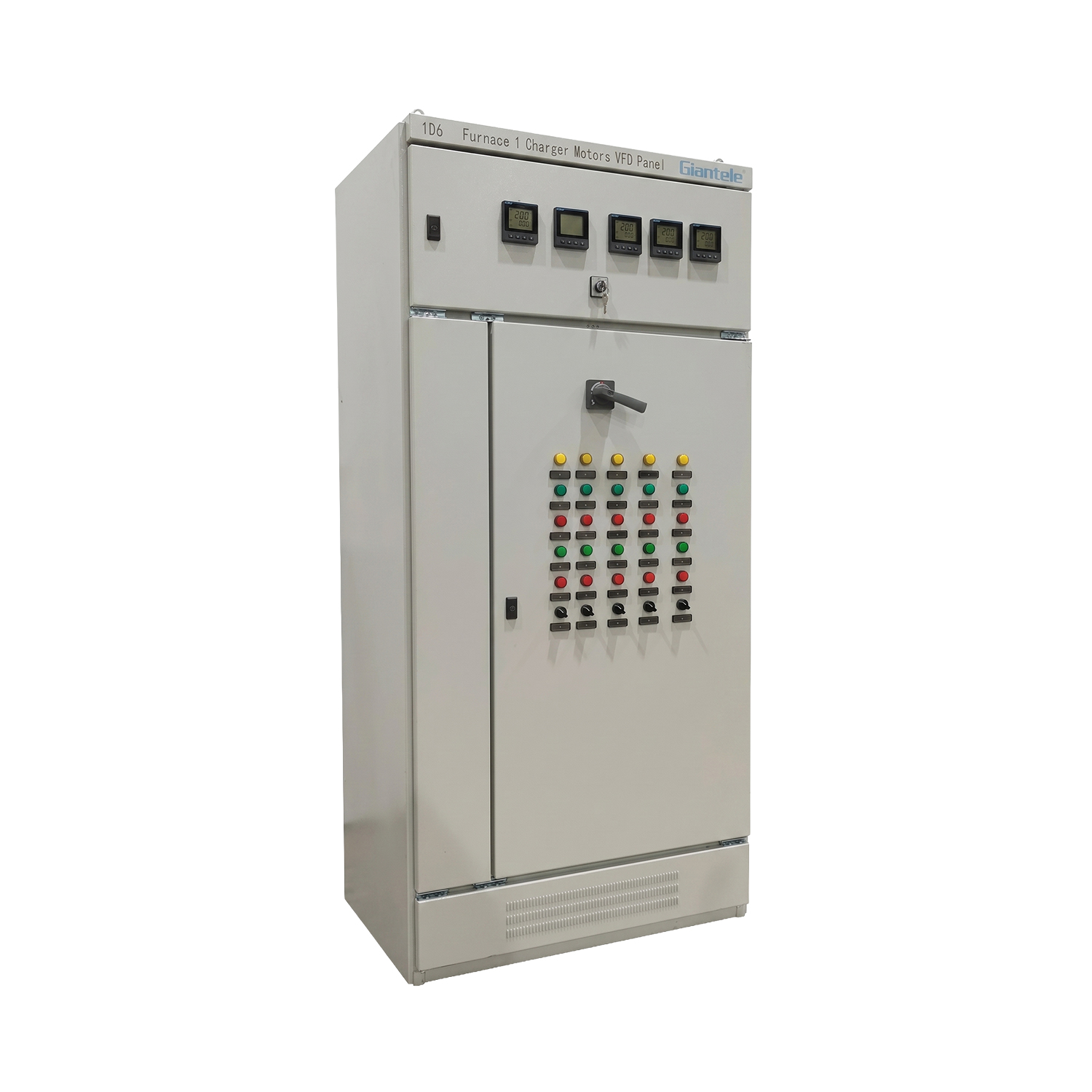
Enclosed motor starter vs combination motor starter
Contractors face one decision on every job: spec an enclosed motor starter or a combination motor starter. The difference is small in cost and large in safety and install time.
| Feature | Enclosed motor starter | Combination motor starter |
|---|---|---|
| Contents | Contactor + overload relay | Disconnect + contactor + overload relay |
| Overcurrent protection | Needs upstream breaker or fuse | Built-in |
| Install steps | Add separate disconnect | One enclosure, one wiring point |
| Lockout/tagout | Separate lockable disconnect needed | Door-interlocked disconnect included |
| Best use | Replacing an existing starter | New installs, contractor speed |
Most new installations should use a combination motor starter. You get the disconnecting means, short-circuit protection, and the starter in one tested enclosure with a single-line wiring point.
For a pump panel on a skid, a conveyor starter, or a fan control cabinet, the combo unit installs faster and passes inspection with less argument. The combo motor starter is the default choice of experienced contractors for good reason.
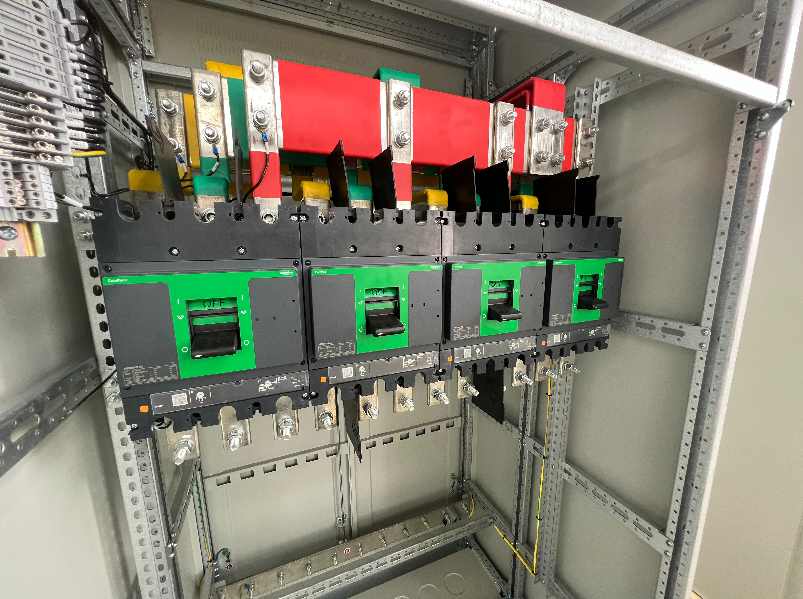
Why combo starter panels speed up installs
A combination starter arrives pre-wired. You mount the enclosure, land the incoming cable on the line terminals, and land the motor leads on the load terminals. The disconnect handle, the start-stop controls, and the overload setting are all at the door.
Compare that to assembling a separate disconnect and starter on site: twice the mounting, twice the wiring, twice the inspection points. For a motor control center feeding a dozen motors, the labor difference is a full day or more.
Motor starter enclosure selection for site conditions
The motor starter enclosure is what survives the site, not the starter. A dust-filled cement plant kills an IP20 starter in months. The same starter inside an IP54 enclosure runs for years. Enclosure selection is a site survey exercise, not a catalog flip.
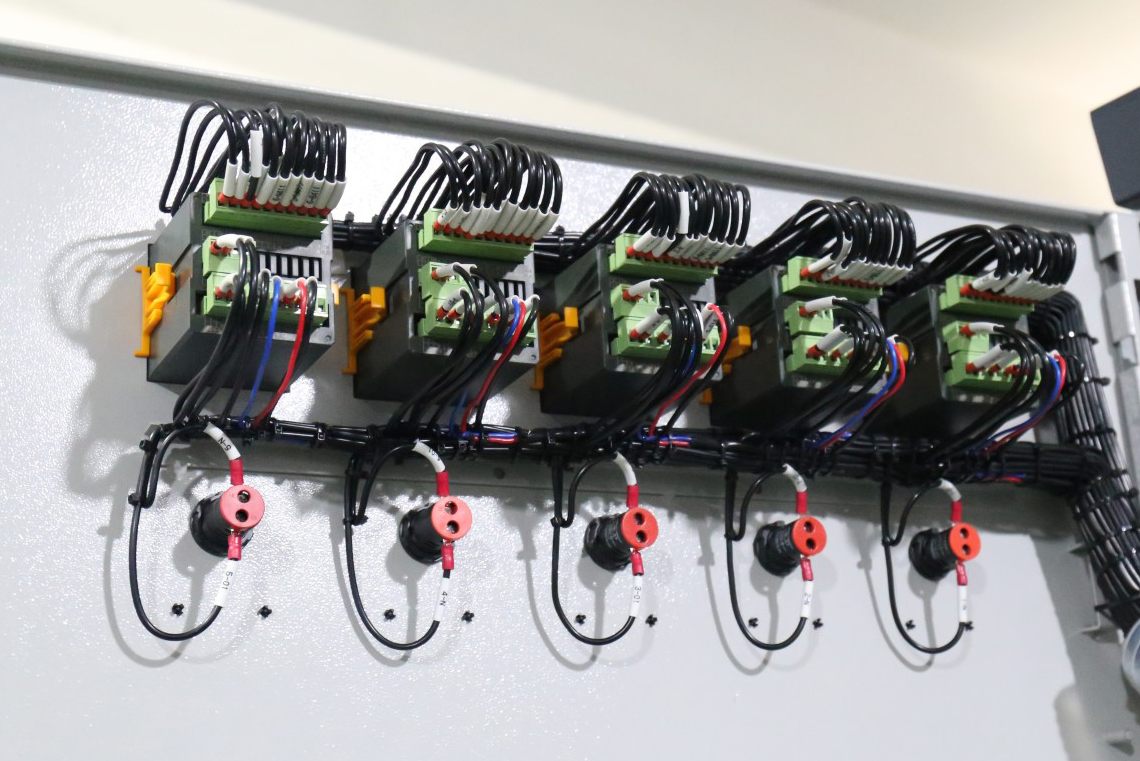
Pick the motor starter enclosure by environment
What to expect from wholesale motor control panel distributors
Wholesale motor control panel distributors serve contractors with speed, stock, and consistency. The good ones hold standard starter assemblies in inventory, ship from stock, and publish the coordination and test data for every unit. The bad ones quote 12 weeks and change the spec after the order.
Vet a distributor the way you vet a subcontractor. Ask for their standard product range, the in-stock lead time on an enclosed motor starter and a combination motor starter, and the factory test report format.
A motor control center supplier who tests every assembly before shipping is the kind of partner who keeps your commissioning schedule intact.
Automated control systems and the motor controlling system
An automated control system turns a starter panel from a manual switch into a process device. The same combination motor starter that runs a pump on pushbutton can accept a 4-20mA level signal or a Modbus command from a PLC. The motor controlling system logic decides when the motor runs, and the starter executes it.
If the starter misbehaves, the common MCC panel problems we catalog on our blog are usually the first place to look.
For contractors, this means one panel can serve two purposes. Install it as a manual starter now, wire the PLC interface later. The panel's control terminals are already there.
Adding automation later is a control-circuit change, not a panel replacement. That future-proofing is worth more than the small cost difference between a plain starter and one with a PLC-ready control circuit.
A VFD control panel extends this further when the application needs variable speed. A soft-start or VFD option on a motor starter is a panel-level decision best made at the distributor stage, not after the starter is on the wall.
Per World Bank industrial energy guidance, variable-speed drives on pumps and fans typically cut motor energy use by 20-50%, and IRENA motor systems analysis confirms the same range on retrofits. That is the kind of number that wins the client's next project.
Frequently asked questions
How do motor starters work in simple terms?
What is the difference between an enclosed motor starter and a combination motor starter?
Why do contractors buy wholesale motor control panels instead of building starters on site?
What is a combo motor starter used for?
Can motor starter panels work with automated control systems?
How do I choose the right motor starter enclosure for a site?
Are Giantele starter panels CE certified?
Final thoughts
A contractor who understands how motor starters work, picks the right enclosed or combination unit, and buys from a stocking wholesale distributor turns a three-week schedule into a three-day install. The starter does the work, the panel saves the time, and the client remembers who delivered.
Send Giantele your motor list and site conditions. Our team returns a quote with rated starters, enclosure recommendation, and confirmed shipping within 24 hours.
Get a Wholesale Starter Panel Quote
Send your motor list and site conditions. We return a panel quote with rated starters, enclosure recommendation, and confirmed shipping within 24 hours.