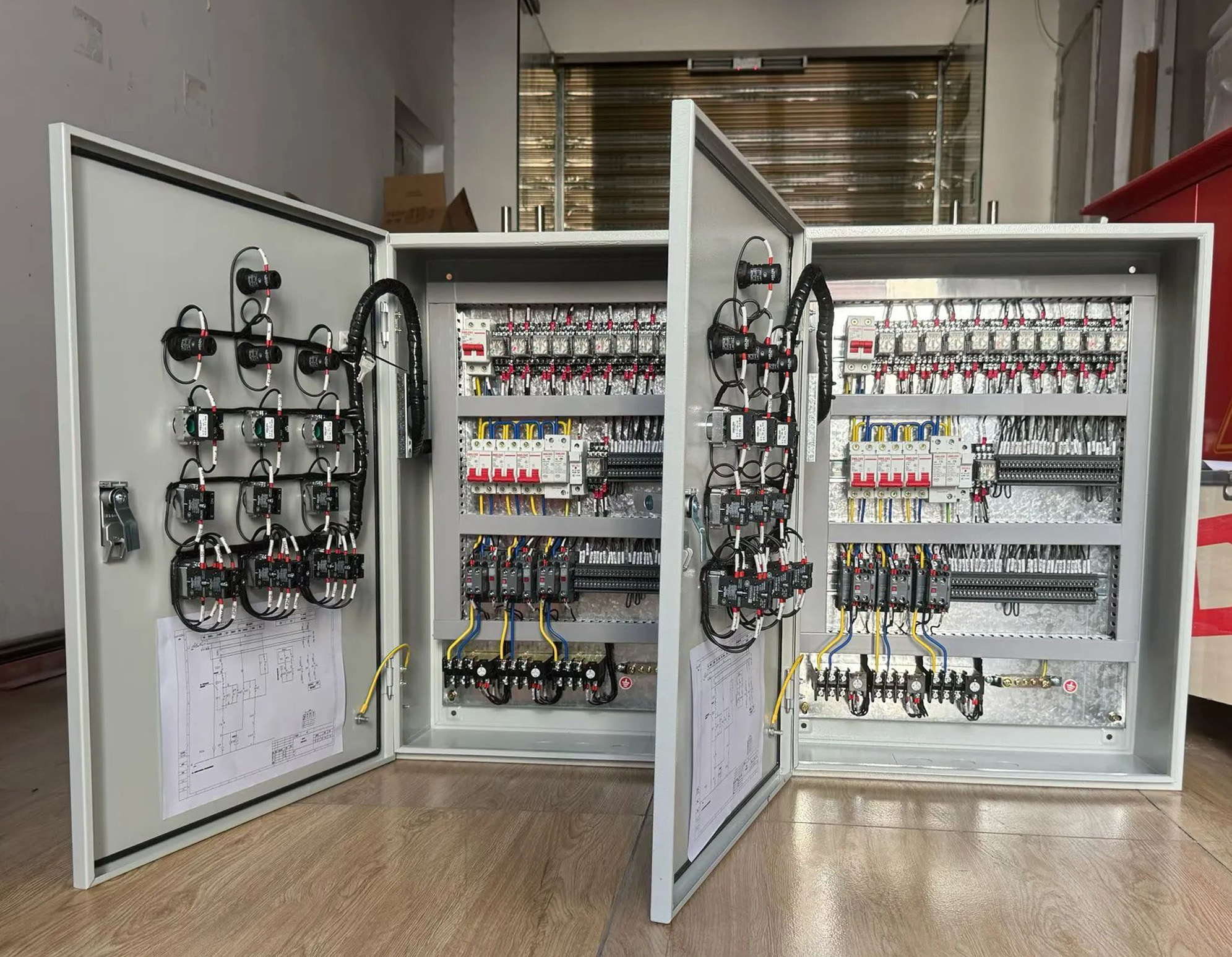
Buying a distribution board with circuit protection is two decisions. You choose the devices that clear a fault. You also choose the enclosure that keeps them alive. This guide covers what a distribution panelboard must carry and how to read an ingress protection IP rating chart.
Key Takeaways
- Two specifications, one order: the protection devices and the enclosure rating are fixed together, not in separate conversations.
- The IP code is a claim: the first digit covers solids and dust. The second covers water. Neither covers corrosion.
- Discrimination decides what stays on: a fault on one outgoing way must clear without tripping the incomer.
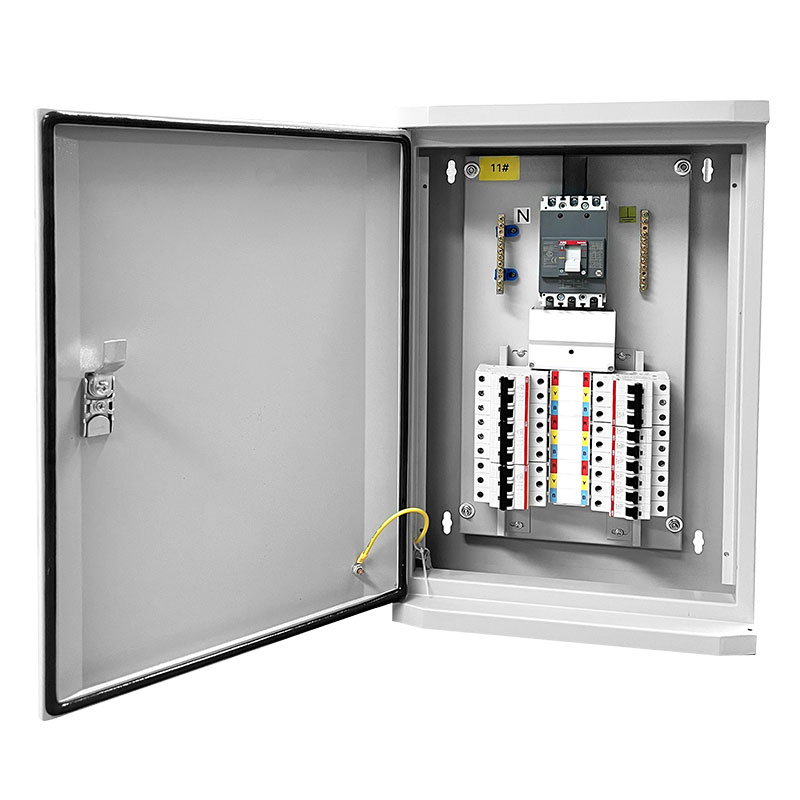
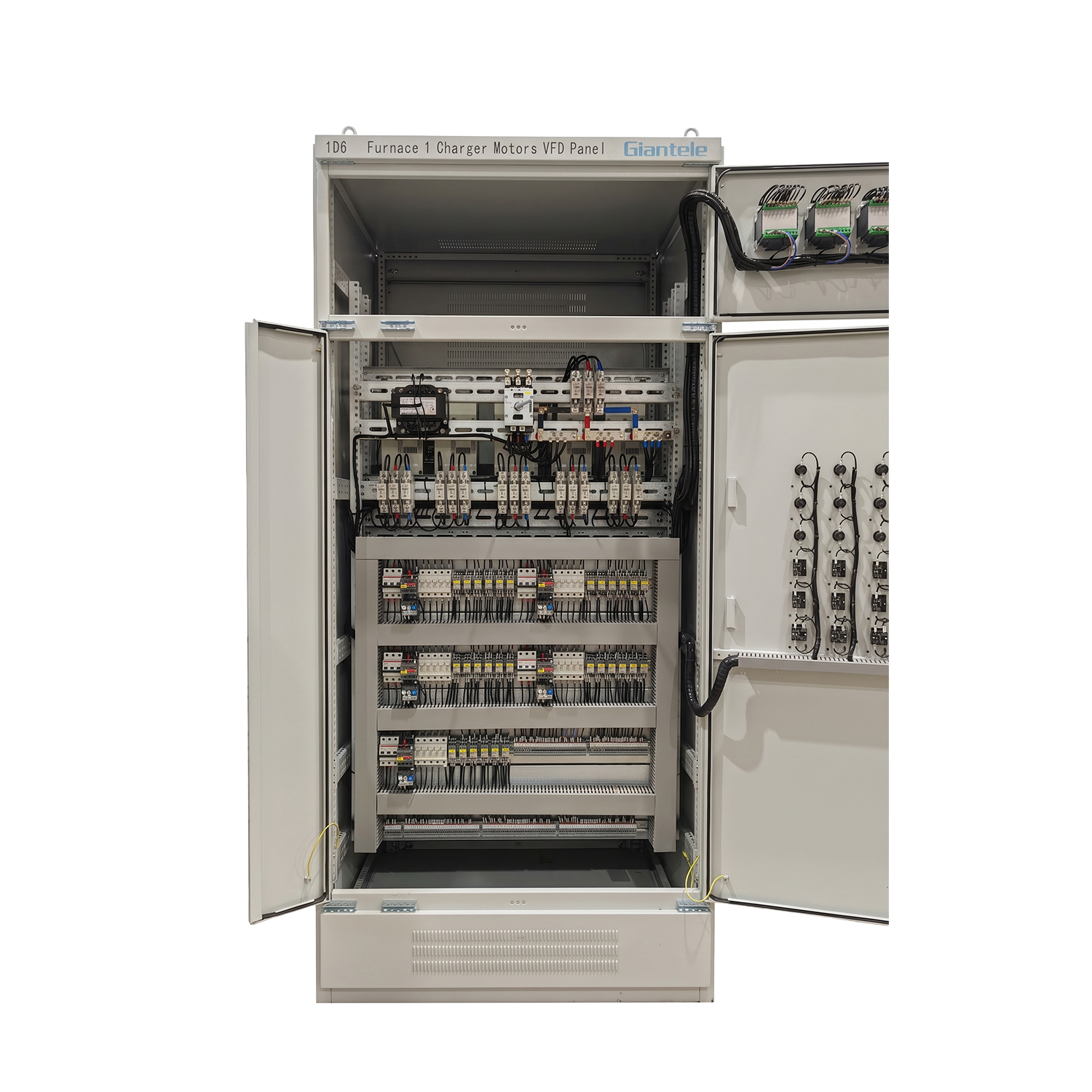
- Ask for the internal photo: it shows busbar bracing and terminal labelling better than any catalogue page.
What you are actually buying when you order a protected board
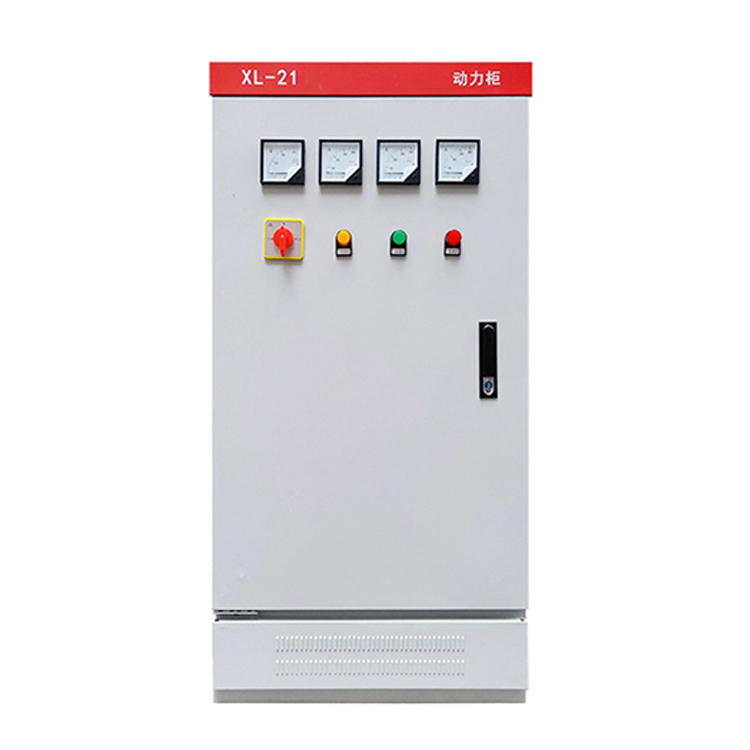
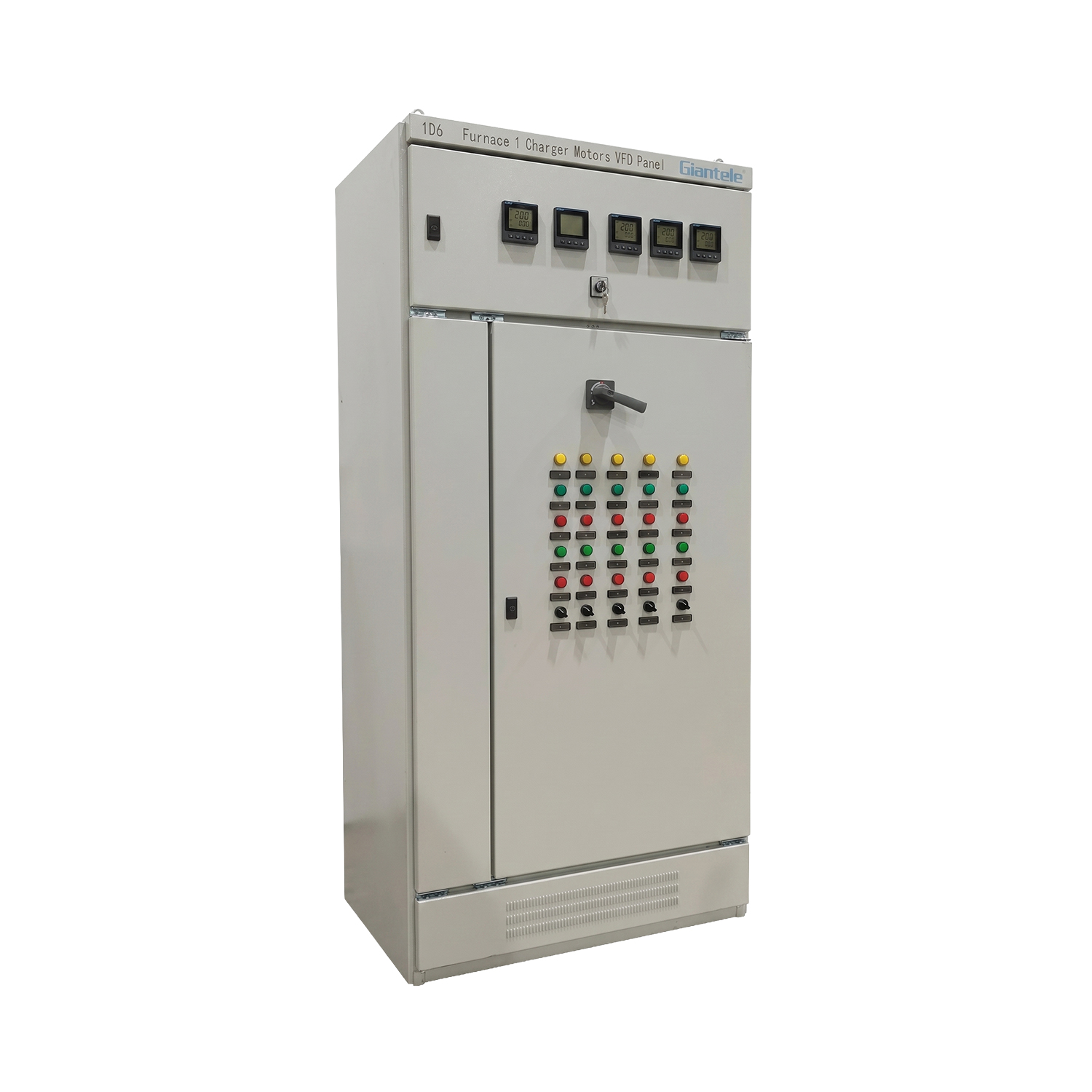
Suppliers use four names for the same product. In Nigeria and Kenya you will see a distribution electrical box quoted. In the Gulf it arrives as an electrical distribution box or an electrical power distribution panel. IEC documents call it a distribution panelboard, or simply a board.
The name matters less than what sits behind the door. Every protected board does two jobs. It interrupts a fault current without destroying itself. It also keeps dust, water and fingers away from live metal.
Get one of those wrong and the board still works on commissioning day. It fails two years later, or it fails the first time somebody opens the door in the rain.
A main distribution board feeding a whole plant is the same purchase logic as a small sub board. Fix the duty, then buy.
The devices behind the front panel
A low voltage board holds three layers of protection. The incomer clears a fault on the busbar. The outgoing devices clear faults on each final circuit. Residual current devices cover earth leakage, which no overcurrent device sees.
The incomer is usually an air circuit breaker or a moulded case device. Air circuit breakers suit large boards where you want to remove the device for service. On that duty, drawout switchgear pays for itself in maintenance hours.
Final circuits use miniature circuit breakers or smaller moulded case devices. Above 63A a miniature device stops being the economical choice. Below that it is faster to replace and cheaper to stock.
| Device | Typical position | Fault it clears | Where it stops being enough |
|---|---|---|---|
| Miniature circuit breaker | Final circuit, up to 63A | Overload and short circuit | Blind to earth leakage |
| Moulded case circuit breaker | Outgoing ways and small incomers | Overload and short circuit at higher ratings | Needs a separate residual current device |
| Air circuit breaker | Main incomer on larger boards | High fault currents and busbar faults | Costs more than the duty needs on a small board |
| Residual current device | Socket and wet area circuits | Earth leakage and shock risk | No overload protection on its own |
| Residual current breaker with overcurrent | Final circuits needing both duties | Earth leakage plus overload | Limited to lower current ratings |

What an internal photo tells you before delivery
A photo of the open board shows the incomer, the outgoing device row and the busbar in one frame. You can check device brands, spacing and cable routing against the drawing.
Spacing matters. Devices packed edge to edge cannot shed heat, so they derate. Ask the builder which derating factor was applied.
Reading an IP ingress protection chart without guessing
An IP code has two digits and nothing else. The first digit rates protection against solid objects and dust. The second rates protection against water. An X means that digit was not tested, not that protection is missing.
| IP rating | First digit: solids | Second digit: water | Where it is the right choice |
|---|---|---|---|
| IP20 | Fingers over 12.5mm, no dust protection | None | Dry indoor switchroom |
| IP21 | Fingers over 12.5mm | Vertical drips | Indoor room with condensation |
| IP31 | Tools over 2.5mm | Vertical drips | Indoor room, occasional moisture |
| IP41 | Wires over 1mm | Vertical drips | Indoor room with light dust |
| IP54 | Dust protected, limited ingress | Splashing water from any direction | Workshops and dusty process areas |
| IP55 | Dust protected, limited ingress | Water jets from any direction | Washdown bays and covered yards |
| IP65 | Dust tight | Water jets from any direction | Outdoor cabinets in direct rain |
| IP66 | Dust tight | Powerful water jets | Coastal and fully exposed sites |
Read an IP protection chart from the outside in. A board rated IP54 keeps dust out and survives splashing water. A board rated IP21 keeps fingers out and stops vertical drips.
Neither rating covers corrosion or impact. On a coastal yard in Durban the enclosure needs the IP rating and a finish that survives salt air. On a rail platform in Qatar it needs the IP rating and a coat that survives sun.
Then print the chart into the purchase order. Two suppliers can quote IP54 and deliver very different gasket quality, hinge depth and gland plate sealing.

Rating follows the seal, not the sheet steel
A sealed door with a moulded gasket holds its rating for years. A flat door with a strip gasket loses it in months once the hinge wears.
Cable entry decides the rest. Every unused gland hole is a leak path, so specify blanking plates rated the same as the enclosure.
That is the part most buyers miss. An waterproof enclosure earns its rating through the door seal, not through thicker steel.
Gas and SF6 circuit breakers upstream of the board
The board cannot protect itself from a fault upstream of it. Where a site takes power at medium voltage, the intake device decides what reaches the low voltage busbar. That device is often an SF6 circuit breaker or a vacuum interrupter.
An SF6 circuit breaker uses sulphur hexafluoride gas to quench the arc. A gas circuit breaker of this type fits a small footprint and needs little maintenance. It also seals the arc away from the operator.
Vacuum interrupters do the same job without gas. Choose on site conditions rather than fashion. In a hot, dusty yard, sealed gas compartments and sealed vacuum bottles both beat an open air design.
What matters for the low voltage order is coordination. Ask for the upstream device rating, its trip curve and its clearing time. Your incomer has to wait for the device below it to act first.
This is where retrofits fail. Somebody replaces the low voltage board and leaves the medium voltage protection settings untouched.
Selectivity, temperature rise and cable entry
Selectivity is the property that keeps a fault local. A short circuit on one final circuit should trip that circuit alone. If the incomer trips instead, you lose the whole board for one faulty pump.
A fault on a lighting distribution board fed from the main board should clear at the sub board. That only happens when the two devices were chosen as a pair.
Discrimination is not automatic. It depends on the ratio of device ratings and on the shape of the trip curves. A working rule is a ratio between 1.6 and 2 between the incomer and the largest outgoing device.
Temperature rise is the second limit. Every device inside the enclosure adds heat. Pack them tightly and a packed row can lose 10 to 20 percent of its rating.
Cable entry is the third. Bottom entry with a removable gland plate lets a cable be re-terminated without dismantling the board. Top entry saves copper and collects water.
Protection also pays back in uptime. Industrial output falls when supply is unreliable, and the IEA tracks that link across emerging markets.
Certificates, test reports and internal photos to request
Three documents separate a manufacturer from a reseller. Ask for the type test certificate for the assembly. Ask for the internal wiring photo of your own board. Ask for the factory test report, signed before shipment.
A switchgear assembly verified to the IEC 61439 series carries a design verification file. That file names the tests, the ratings and the limits the design was proved against.
Device certificates are not assembly certificates. Buyers mix the two up constantly, then discover the gap when an inspector asks for the assembly file.
Then test the enclosure claim. A supplier quoting IP65 should show the test that produced it, or name the gasket supplier. A rating with no traceable test is a number on a drawing.

Three things to fix before you sign
Finally, look at the low voltage distribution board range you are buying into, not only the single unit. Spare ways, interchangeable devices and a repeatable design matter more on the second order than the first.
Quality systems help too. A supplier working to ISO 9001 can produce the inspection record for your own serial number.
Frequently asked questions
Where can I buy a distribution board with circuit protection?
How do I read an IP ingress protection chart correctly?
What IP rating does an outdoor distribution board need?
Should the incomer be an air circuit breaker or a moulded case device?
Do SF6 circuit breakers belong inside a distribution board?
Is a distribution panelboard the same as a switchboard?
How many spare ways should I order?
What paperwork should arrive with the board?
Final thoughts
Protection is a specification, not a feature. Fix the fault level, choose the devices, then match the enclosure to the room. Send Giantele your single line diagram and site conditions for a board schedule and a build proposal.
Need a protected board specified?
Send your single line diagram, fault level and site conditions. Giantele engineers return a device schedule, an enclosure rating and a build drawing.