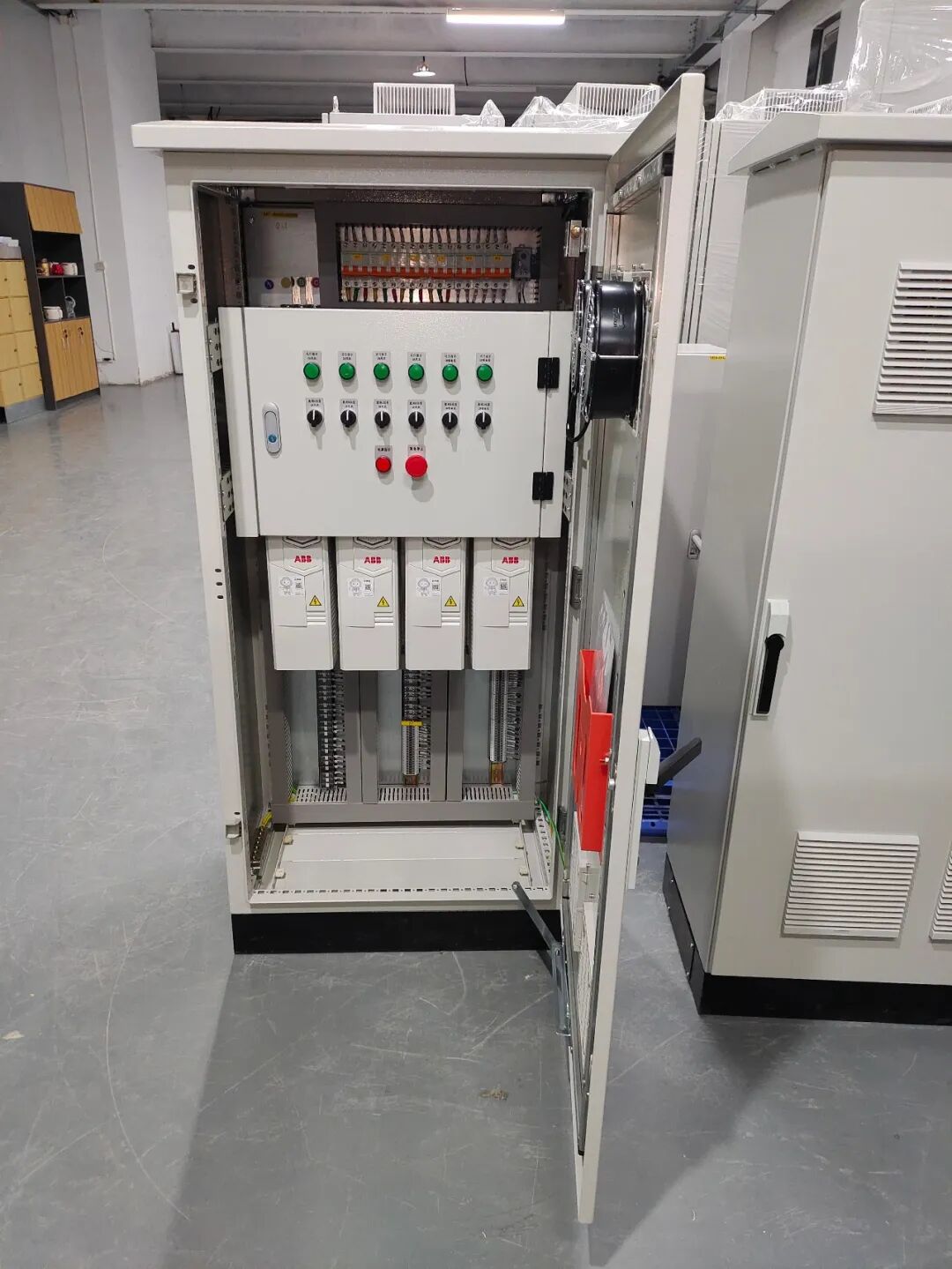
Buying low and medium voltage switchgear panels for a factory or mine is not a catalog purchase. The panel must match your fault level, your maintenance crew, and your expansion plan. This guide covers what to specify, which type to buy, and where to source it.
Key takeaways
- Match the panel to your fault level: A 400V board rated 25kA is fine for a small plant. A stiff grid site may need 65kA, and the price gap is real.
- Withdrawable or fixed is a maintenance decision: Withdrawable units let you change a feeder without a shutdown. Fixed panels cost less and suit plants with planned outages.
- Metal clad means compartmented: The term describes internal separation between busbar, device, and cable zones, not a marketing upgrade.
- Medium voltage starts where the load outgrows 400V economics: Large motors, long cable runs, and utility connections push the design upward.
- Sourcing route changes your risk: Buying direct from a manufacturer, from a distributor, and through an EPC give you very different warranty and support terms.
What a low voltage switchgear panel contains
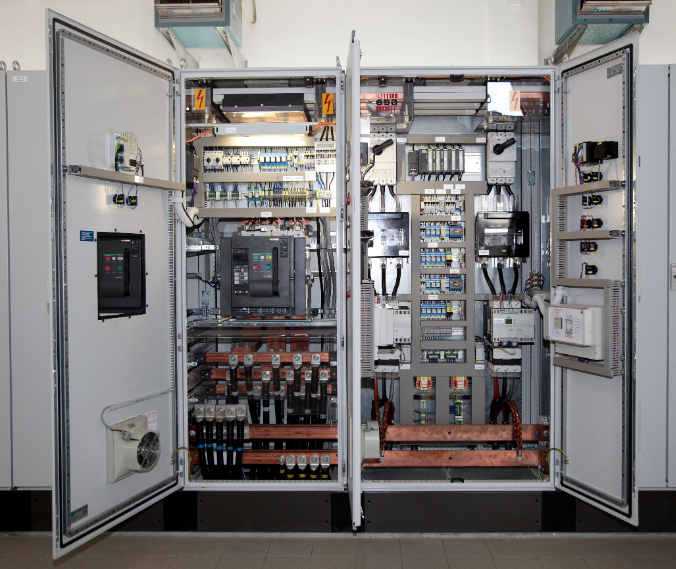
A low voltage switchboard assembly is built from five functional sections. Knowing them helps you read a quotation and spot what was left out:
Five sections in every industrial panel
Cheap quotations often thin out one of these sections. A panel quoted without a proper busbar rating or without a coupler will look complete on the drawing and cost you during commissioning. Ask for the busbar current rating and the short-circuit withstand in writing before you compare prices.
The low voltage products inside the panel matter less than the engineering around them. Two quotes can name the same breakers and still differ by a factor of two once you read the busbar schedule.
Withdrawable versus fixed low voltage switchgears
This is the first real decision. Both designs are IEC 61439 compliant, and both are safe. They differ in how you maintain them and what they cost.
What withdrawable units give you
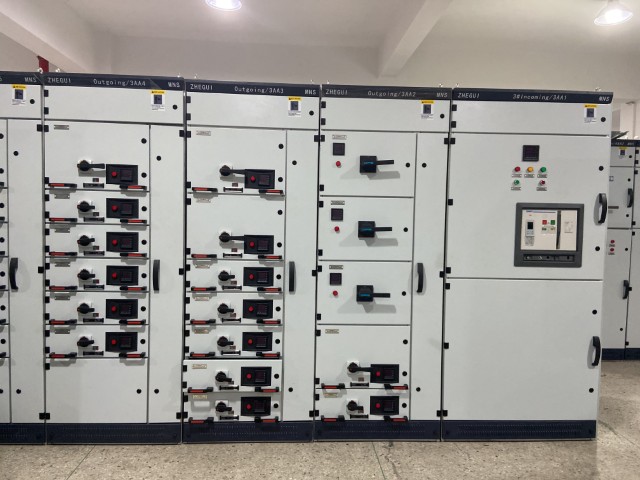
A withdrawable unit holds a breaker on a moving carriage. You crank it out, and the busbar stays live behind a shutter.
- Fast feeder change in under an hour with a spare unit on the shelf
- Live maintenance while the rest of the line-up keeps running
- Higher cost from the carriage, the shutters, and the interlocks
- Needs trained staff who understand racking sequences
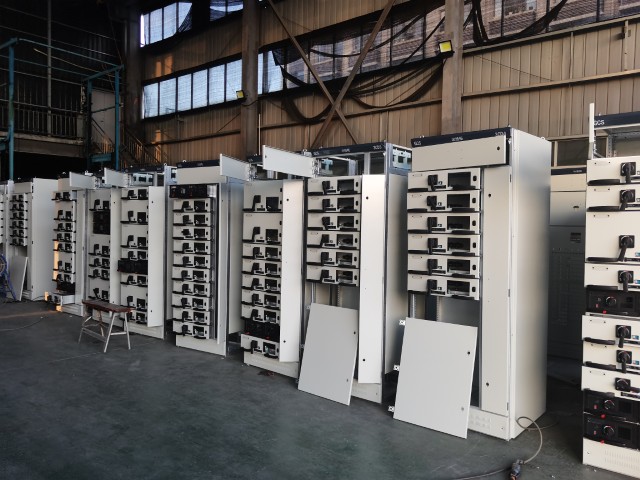
A low voltage switchboard built in the fixed pattern is the other option. Breakers bolt directly to the structure, which costs less and takes less space. The trade-off is downtime: changing a failed breaker means isolating the section first.
| Factor | Withdrawable | Fixed |
|---|---|---|
| Feeder swap time | Under one hour with a spare unit | Half a day with a planned outage |
| Capital cost | Higher, carriage and interlock cost | 15 to 25 percent lower on the same rating |
| Best fit | Process plants that cannot stop | Plants with weekend shutdown windows |
| Operator skill | Racking training required | Standard switching procedures |
My rule from site experience: if the plant loses more money in one unplanned shutdown hour than the price gap, buy withdrawable. Cement, mining, and continuous process plants usually cross that line. Small workshops and offices rarely do.
The low voltage switchgears in the withdrawable pattern are what I recommend for the first group.
What low voltage metal clad switchgear means
The phrase gets used loosely by sellers. In practice, low voltage metal clad switchgear has metal partitions between the busbar zone, the device zone, and the cable zone. A fault in one feeder is contained instead of spreading down the line-up.
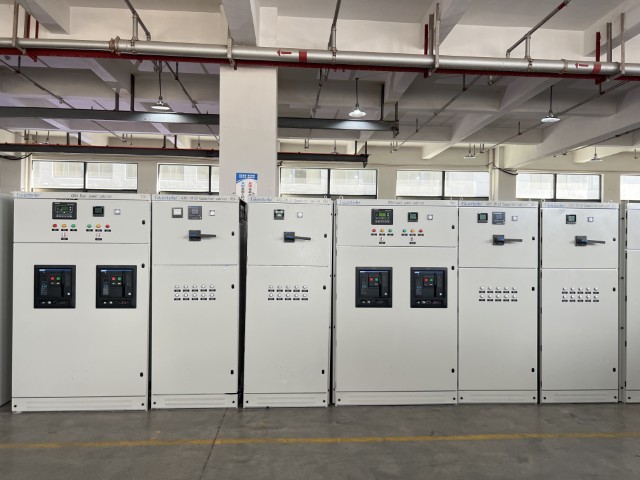
Metal clad, metal enclosed, and the difference
The two terms describe different degrees of internal separation, and suppliers often swap them.
- Metal enclosed means a metal outer shell with no internal barriers
- Metal clad adds grounded metal partitions between functional zones
- Form rating in IEC 61439 states the separation level precisely
Rather than argue about the label, ask for the Form rating and the partition drawing. low voltage metal clad switchgear normally lands at Form 3b or 4b. A panel that claims the term at Form 1 is using marketing, not engineering.
When you need medium voltage switchgear instead
Low voltage distribution stops being economic past a certain load. Four signals tell you the design is ready to move up a voltage class:
Four triggers for a medium voltage step
The step from a low voltage panel to a medium voltage switchgear section is about current, distance, and fault level, not prestige. The medium and low voltage switchgear boundary is where most industrial projects make their biggest design decision.
- Current above 4000A on one busbar, where copper becomes impractical
- Cable runs beyond a few hundred metres, where voltage drop eats the savings
- Large motors above roughly 1MW, which prefer a higher supply voltage
- Utility connection points, which usually specify the interface voltage
Most industrial sites end up with both levels. A medium voltage switchgear section takes the utility feed and steps it down, then low voltage panels distribute it across the plant.
Buying the two from one supplier keeps the interface drawing in one place, which matters when a protection setting is wrong.
The specification list to send suppliers
A clear specification gets you comparable quotations. Vague enquiries get you prices you cannot compare. Send these parameters to every supplier who quotes low and medium voltage switchgear for your project:
| Parameter | Why it matters |
|---|---|
| Rated current and busbar rating | Sets the copper size and the temperature rise |
| Short-circuit withstand (kA, 1s) | Drives the bracing, the breaker selection, and the price |
| Form of separation | Decides maintenance access and live working rules |
| Ingress protection | IP31 indoors to IP54 in dusty or humid plant rooms |
| Ambient temperature | Tropical sites above 40C need derating on every device |
| Fault level and protection study | Coordinates breakers so one fault trips one device |
How to verify a switchgear supplier before you buy
Certificates alone prove little. Four checks separate a real builder from an assembler:
What the test record should show
A verified switchgear assembly carries routine test records tied to the serial number you receive.
- Dielectric test proving insulation withstand at the rated voltage
- Wiring and functional check on every breaker and interlock
- Protection settings recorded against the coordination study
- Factory acceptance test you can witness or review by video
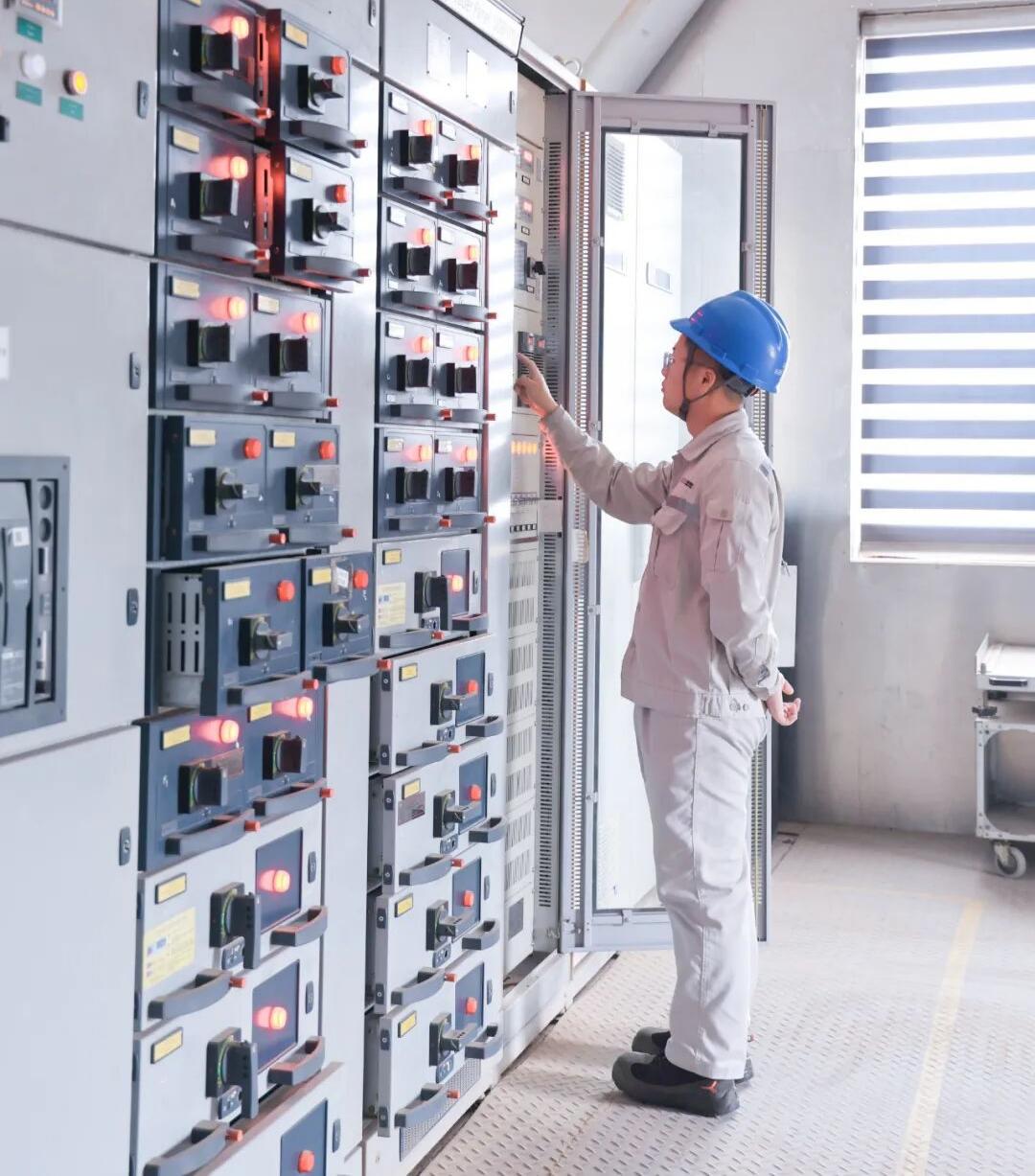
The voltage switchgear verification file should name the tested configuration: enclosure size, Form rating, busbar current, and short-circuit level. If the report describes a different arrangement than your order, it verifies nothing.
World Bank power sector reviews in developing economies repeatedly link distribution equipment failures to missing verification paperwork rather than to component quality.
Where to buy: three sourcing routes compared
The question in the title has three honest answers. Each route carries different risk, cost, and support terms:
| Route | Strength | What to watch |
|---|---|---|
| Direct from manufacturer | Best price on custom ratings, full documentation, warranty in one place | Shipping and site support must be planned with the order |
| Local distributor | Fast delivery on standard ratings, local stock and service | May not carry custom busbar or Form ratings |
| Through an EPC contractor | Single point of responsibility for the whole electrical scope | Panel brand and specification may be decided for you |
For custom ratings, the direct route usually wins on price and on documentation quality. For a standard 630A board needed next week, a local distributor is hard to beat.
Sending a proper enquiry to several suppliers is the fastest way to find out which route suits your project, and these low voltage switchboards enquiry tips cut the back and forth. IRENA industrial energy work makes the same point about equipment sourcing discipline.
Purchase checklist for industrial buyers
Run this list before you place the order. Each item is a yes or no:
Low voltage switchgear purchase checklist Save & Print
Frequently asked questions
Where can I buy low voltage switchgear panels for industrial use?
How do I choose between withdrawable and fixed panels?
What does low voltage metal clad switchgear actually mean?
What is the difference between low voltage switchgear and low voltage switchboards?
When should a plant use medium voltage switchgear instead of low voltage?
What documents should come with a new switchgear panel?
How long does a custom switchgear panel take to build?
Specify your switchgear panel with engineering support
Send your single-line diagram, fault level, and site conditions. Giantele returns a technical proposal with busbar rating, Form separation, and protection design within 48 hours.