

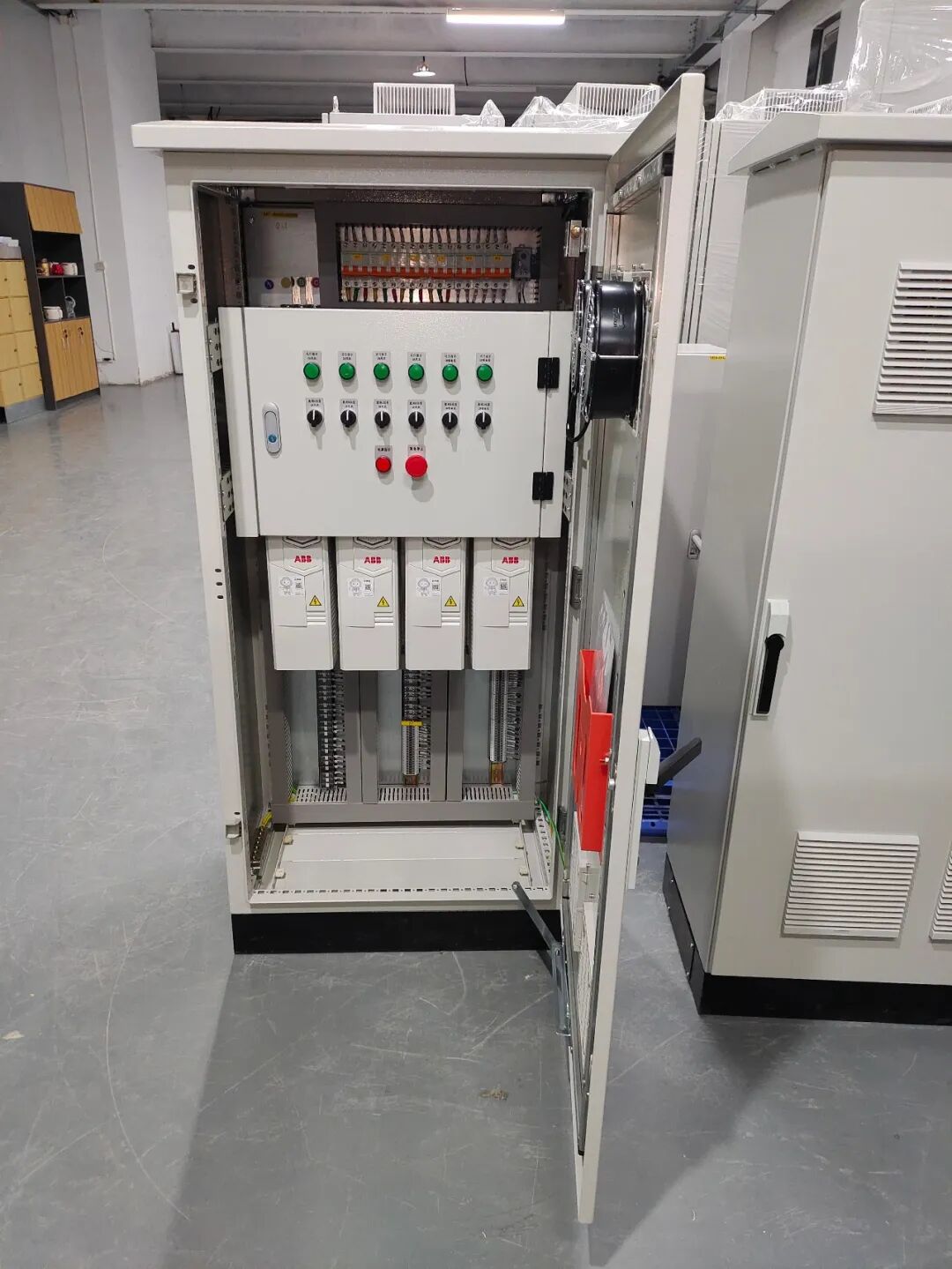
A vfd panel is only as safe as the features it ships with. Arc flash containment, Form separation, door interlocking, and a verified test record separate a protected electric motor control panel from a bare box of drives.
This guide shows you which safety features matter, how to verify them before you pay, and what to demand from electrical panel builders when you purchase VFD panels.
Key takeaways
- Arc flash rating first: A panel tested to IEC 61641 contains an internal arc instead of venting it at the operator. Ask for the arc containment test report, not a marketing claim.
- Form separation protects the maintenance team: Form 3b or 4b isolates the drive from the busbar and the terminals, so a technician can work on one section while the rest stays live.
- Interlocking is a safety device: Door interlocks, bypass interlocks, and maintenance switches are the difference between a safe panel and a convenient one.
- MCC integration changes the safety picture: The same drive costs differently and needs different protection inside a motor control center line-up than in a standalone panel.
- Verify before you purchase VFD panels: Type test reports, routine test records, and a witnessed FAT are the only proof the safety features are real.
The safety features that separate a protected vfd panel from a bare one
Every vfd panel board can be built with the same drive inside. The price difference between vendors is mostly the safety engineering around the drive. Six features decide whether the panel protects your people, and the VFD control panel buyers guide explains how each one becomes a specification line.
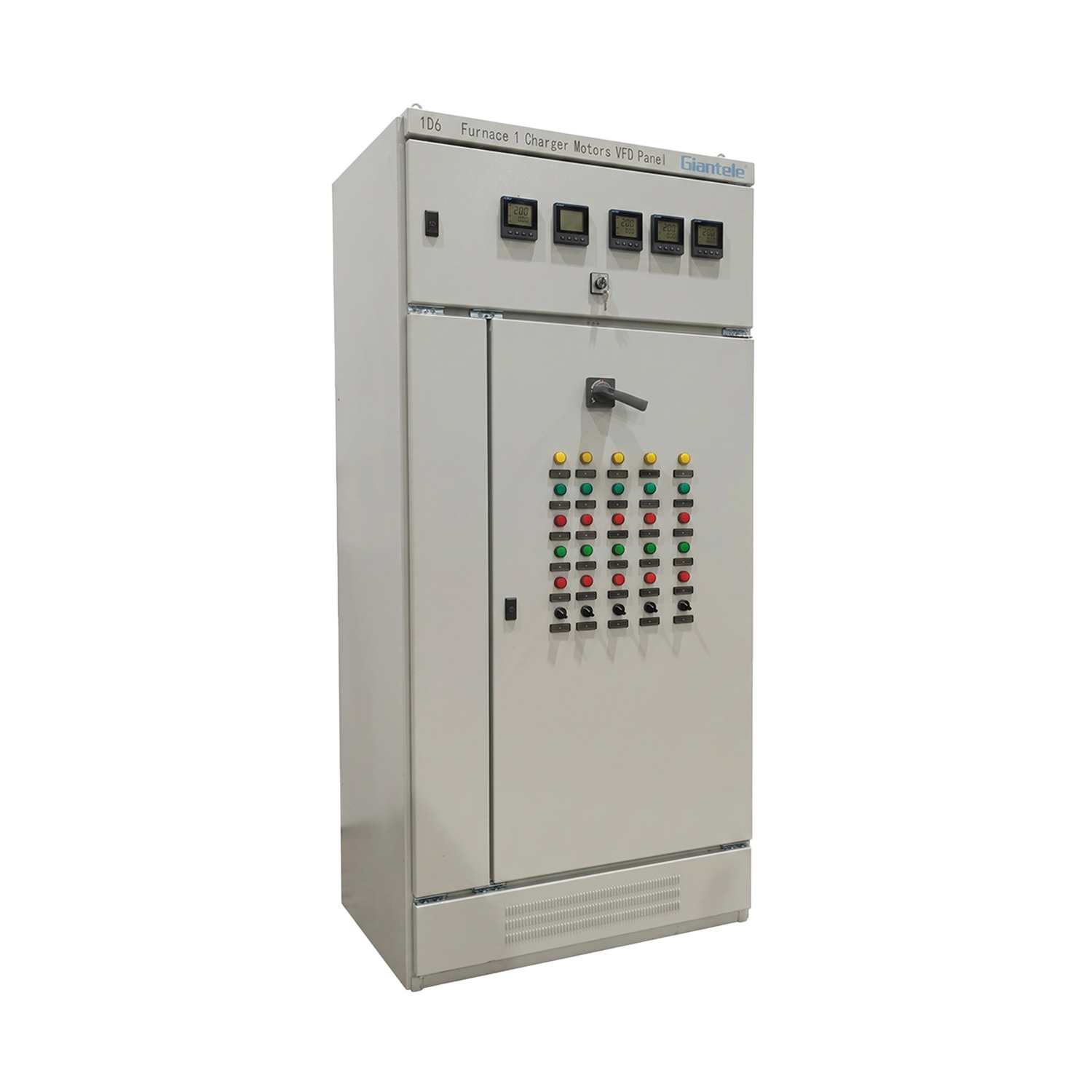
Six features to check before purchase
Industrial control panels are not all built to the same safety standard. A vfd panel from one electrical panel builder may carry a type test report for every feature above. Another ships an assembly that looks identical but has no verification behind it.
The enclosure brand and the drive brand matter less than the test documents. World Bank industrial infrastructure guidance ties verified switchgear quality directly to lower equipment failure rates in emerging markets.
Arc flash protection: what the panel actually does
An internal arc fault in a vfd panel releases energy as heat, pressure, and molten metal. The panel design decides where that energy goes.
A panel with arc containment tested to IEC 61641 uses reinforced doors, pressure relief flaps, and arc chutes to direct the blast away from the operator. A panel without it vents through the door seams. IRENA industrial safety analyses flag arc flash as a leading electrical risk in motor-driven facilities.
Contained arc versus suppressed arc
Arc containment controls where the energy goes. Arc suppression, by contrast, tries to extinguish the fault with a fast shorting device, usually in under a few milliseconds.
- Containment handles the energy with mechanical design, tested at the actual fault level
- Suppression reduces the energy before it grows, but adds a device to coordinate and maintain
- Both reduce the incident energy number printed on the arc flash label
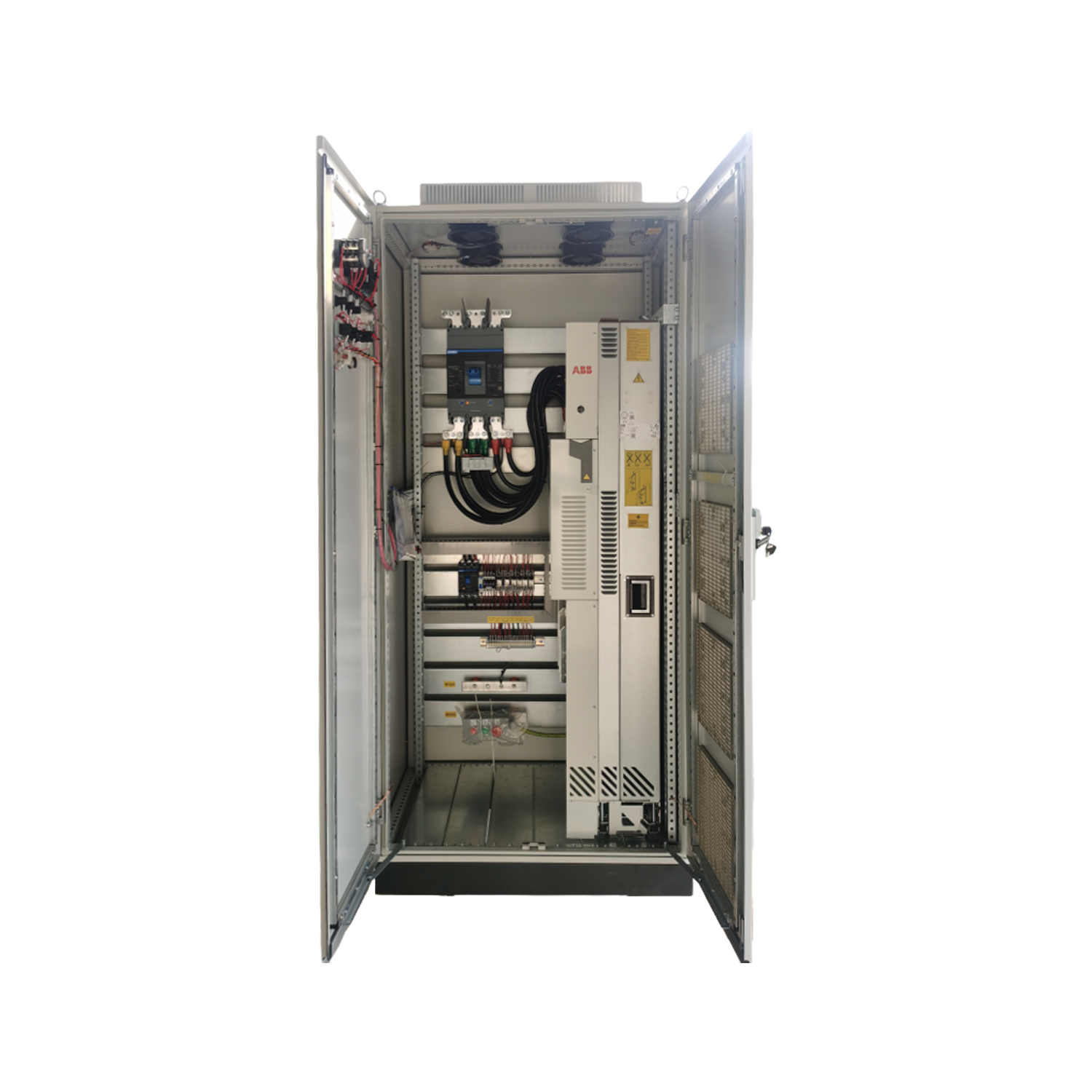
Form separation in vfd panels: why it matters for maintenance safety
Form separation is the internal architecture of the panel. It decides which parts stay live while a technician works on another. For a vfd panel that mixes a drive, a bypass contactor, and outgoing terminals, the right Form keeps most of the panel energized while one compartment is safely isolated.
| Form | Separation | Typical vfd panel use |
|---|---|---|
| Form 1 | No internal separation | Single small drive, whole panel de-energized for any work |
| Form 2 | Busbar separated from functional units | Small multi-drive panels where drives are isolated from the bus |
| Form 3b | Busbar, unit, and terminals each separated | Multi-drive panels where one drive is maintained while others run |
| Form 4b | Complete segregation incl. external terminals | MCC line-ups and critical process panels with live maintenance |
The Form you need depends on how the panel is operated. A panel that must stay running while one drive is serviced needs Form 3b at minimum. A panel that is fully isolated for every task can use Form 2 and spend the savings on other features.
The mcc panels that house drives in a motor control center line-up almost always use Form 3b or 4b, because the mcc electrical meaning of the design is exactly that: maintain one unit while the line stays live.
VFD safety in a motor control center line-up
When drives are installed inside a motor control center instead of standalone panels, the safety design changes. The mcc panels share a common busbar, and each bucket has its own protection and isolation.
The mcc electrical meaning of this arrangement is simple: a drive bucket can be withdrawn or isolated while neighboring feeders keep running.
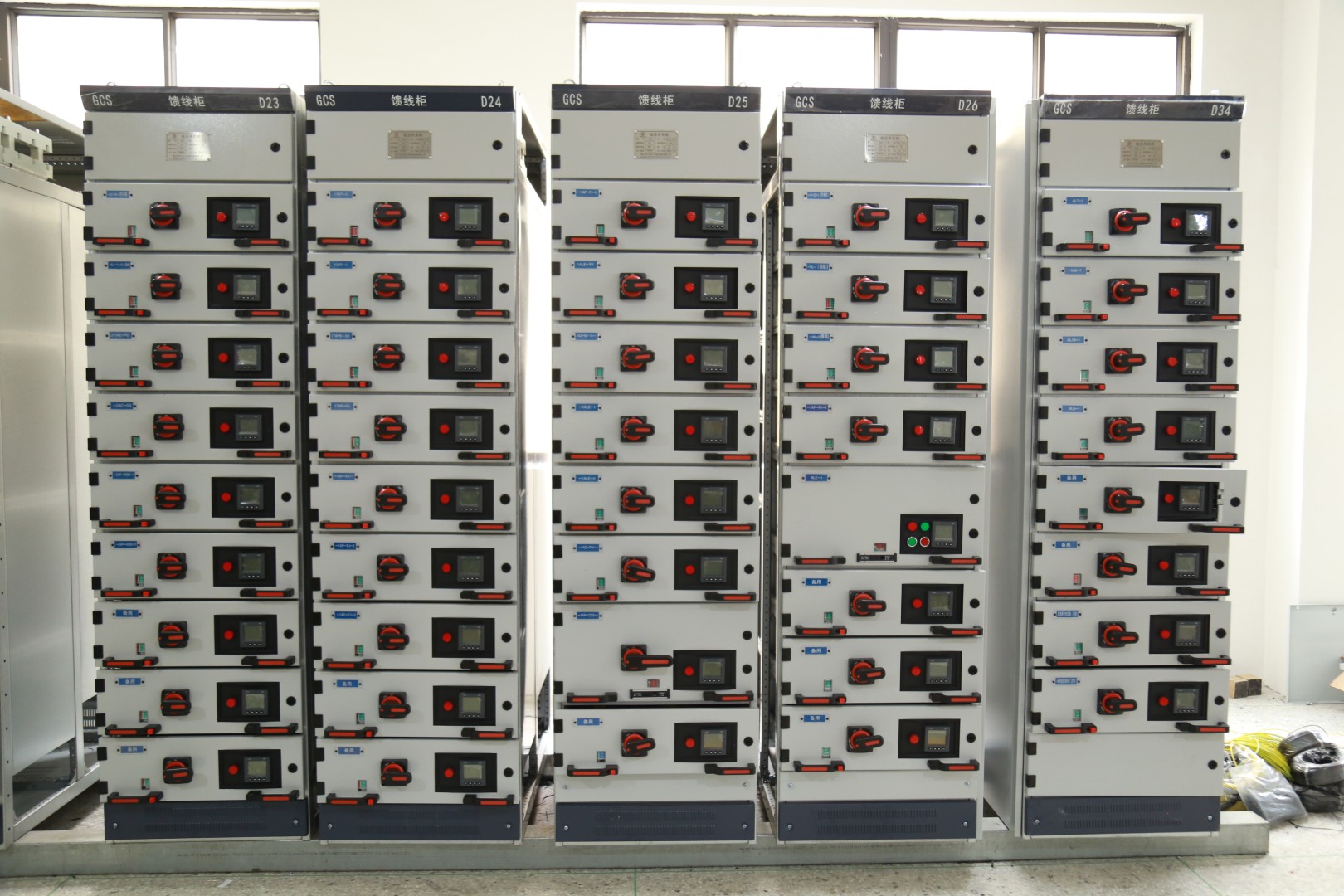
Standalone panel versus drive bucket
Both arrangements can be safe. They are safe in different ways, and the motor control center cost picture differs because the infrastructure is shared.
- Standalone vfd panel is self-contained, with its own incoming protection and arc containment envelope
- Drive bucket in an MCC shares the busbar protection, the Form separation structure, and the arc flash rating of the whole line-up
- Interlocks in an MCC bucket prevent racking the unit in or out while it is energized
Motor control center cost is often the deciding factor. A drive inside an existing motor control center avoids a second enclosure, a second incoming breaker, and duplicate testing. That is why motor control center suppliers quote drive buckets lower than equivalent standalone panels.
The trade-off is that a fault in one bucket affects the shared busbar, so the line-up arc rating must cover the drive contribution. Buyers can compare motor control center suppliers who price both arrangements with the same safety documentation.
How to verify safety features before you purchase VFD panels
Verification is a four-step process. Each step closes a gap that a brochure cannot cover:
What a real test record looks like
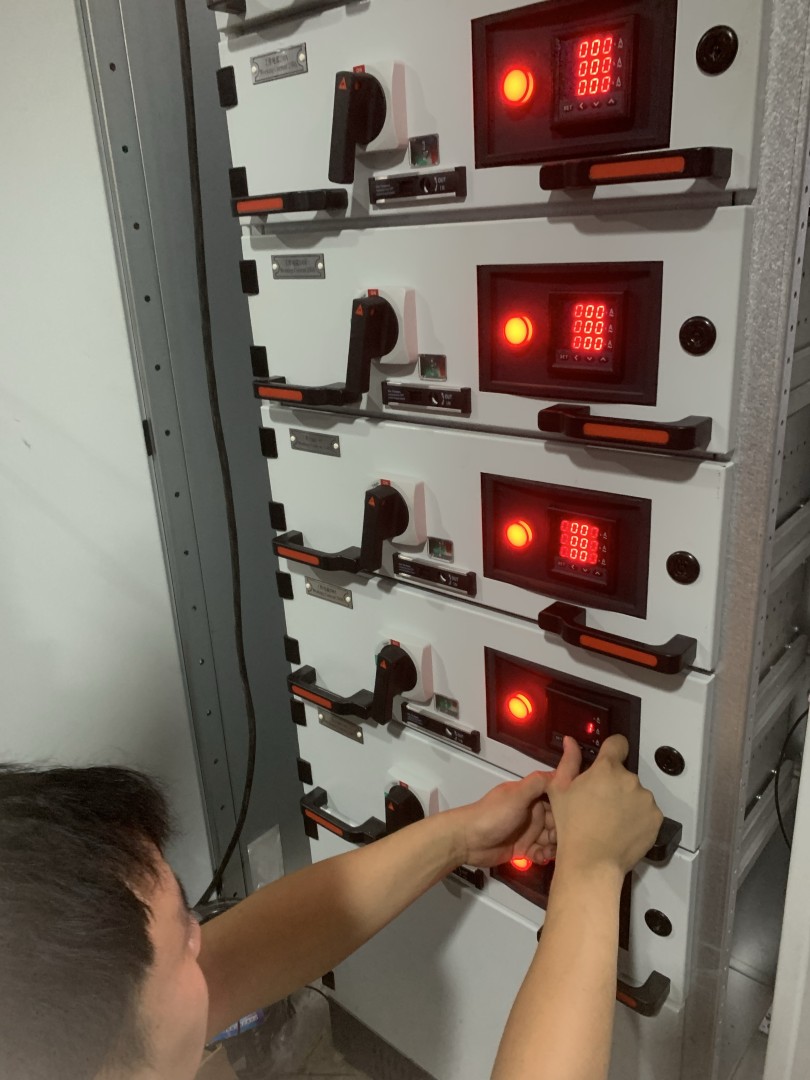
A factory acceptance test on a vfd panel covers more than the drive. The routine test verifies the wiring, the protection settings, and the interlock sequence under simulated faults.
- Dielectric test proves insulation withstands the rated voltage
- Functional test runs the drive through start, stop, and fault sequences
- Interlock test proves the door cannot open while power is present
- Protection settings are recorded against the coordination study
Safety documentation checklist
Use this list when you compare quotes. Custom industrial control panels from a verified builder should come with every item:
Pre-purchase safety verification checklist
A panel that fails any of these checks is a panel without proven safety. The IEC 61439 low voltage switchgear assembly standard exists exactly to make this verification possible, and a custom industrial control panel from a verified builder should ship with the full documentation set.
Where panels do fail in service, the common MCC panel problems catalog is usually where the cause shows up.
Frequently asked questions
What is the most important safety feature in a vfd panel?
How is Form separation different in an MCC line-up?
Does a drive bucket cost less than a standalone vfd panel?
What documents prove a panel is actually safe?
Can a vfd panel be retrofitted with arc containment later?
What is safe torque off on a vfd panel?
How do I compare safety across vendors?
Spec your vfd panel with verified safety features
Send your drive list, fault level, and site conditions. Giantele returns a technical proposal with Form separation, arc containment, and interlocking design within 48 hours.


