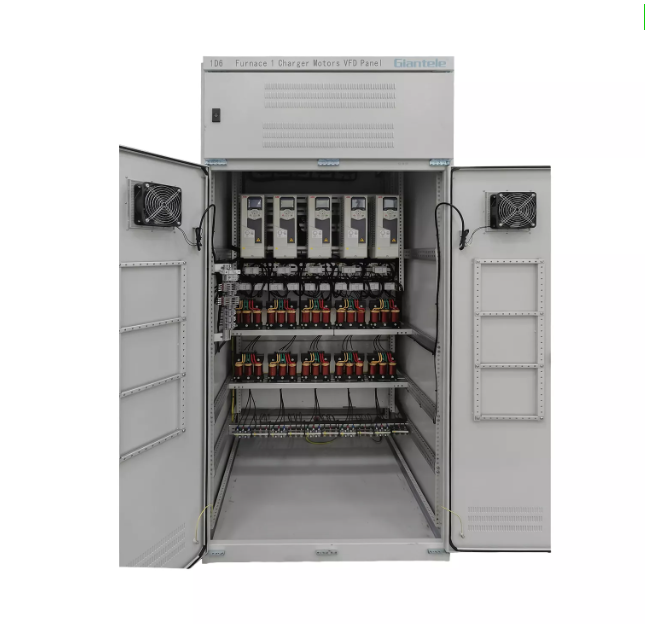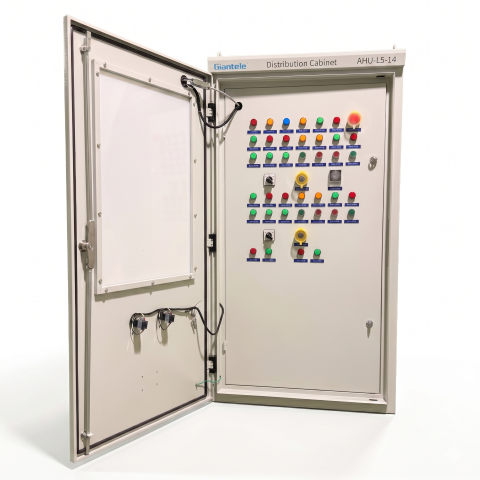
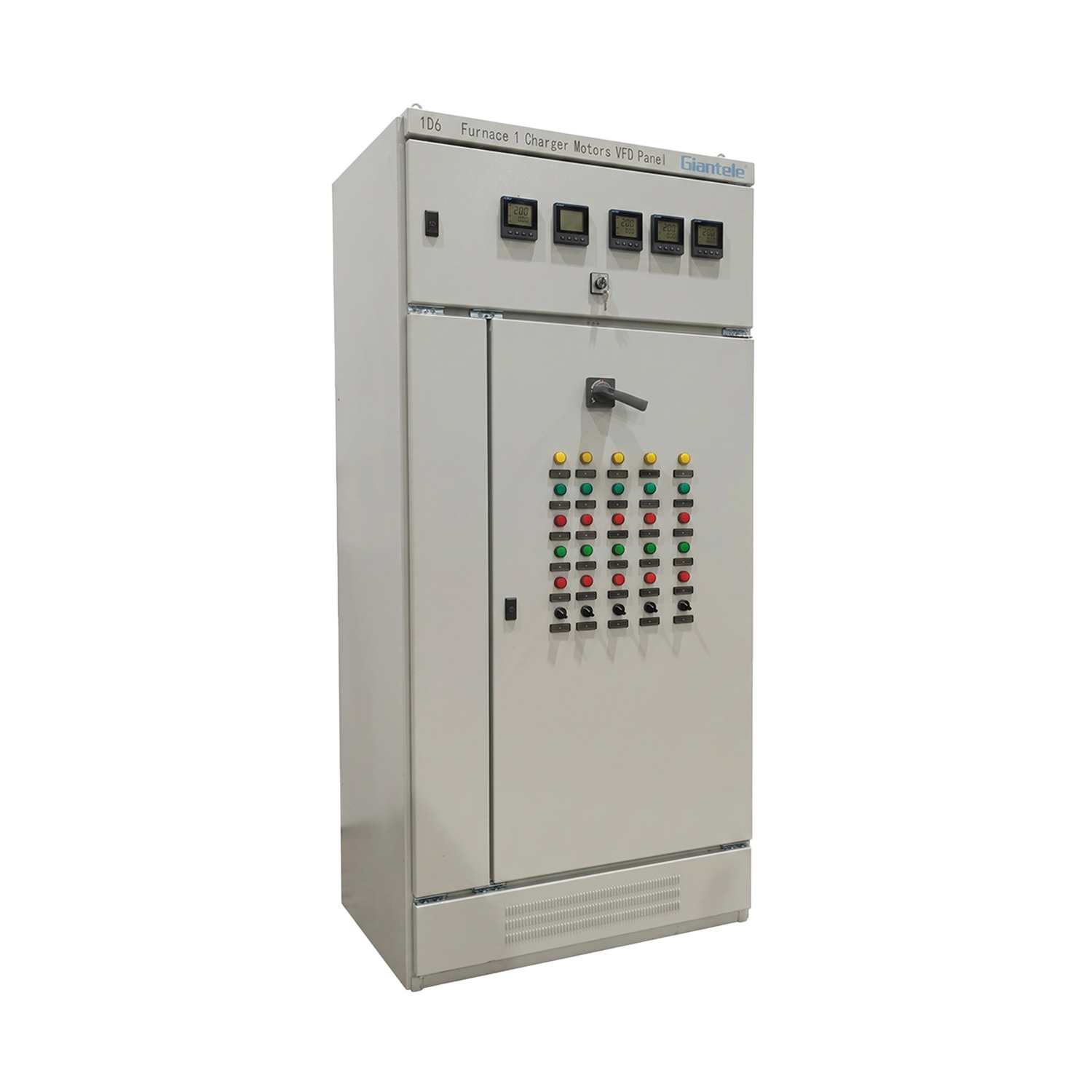
A failing pump on a Nigerian farm can cost a full harvest. The fix is often an inverter panel board, a VFD panel. It runs irrigation pumps, grain fans, and mills at the right speed. This guide shows you how to find distributors who sell farm-ready drives.
What a VFD Panel Does for Agricultural Machinery
An inverter panel board converts fixed mains power into adjustable voltage and frequency. It lets a motor start soft and run at the exact speed the job needs. On a farm, that means steady water pressure and gentle grain handling.
Speed control solves most farm motor problems
A fixed-speed pump hammers pipes when it starts and wastes energy at night. A VFD panel ramps it up slowly and holds pressure constant. The motor lasts longer and the power bill drops.
You do not need to over-engineer. You need the right drive, the right enclosure, and a distributor who understands rural supply. The full VFD panel buyer guide covers the basics.
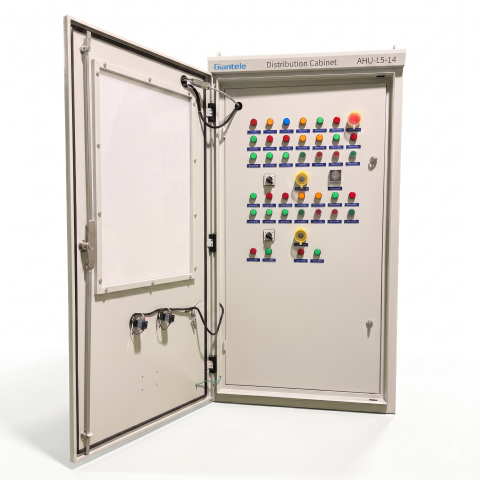
Key Takeaways
- Farm duty means hardened: a VFD panel for agriculture must survive dust, heat, and weak rural grids.
- Match the drive to the load: irrigation wants constant pressure, mills want soft start, fans want speed trimming.
- Ask about the grid, not the brochure: phase loss, undervoltage, and single-phase supply decide whether a drive survives.
- Vet the distributor like the hardware: a control panel supplier with no farm experience is a risk.
- IP rating and cooling come first: grain dust and poultry-house air destroy unprotected electronics fast.
The Four Farm Loads That Justify Variable Speed
Not every farm motor needs a drive. Four loads repay one quickly. Irrigation pumps, grain fans, milling machines, and poultry ventilation all run better at variable speed.
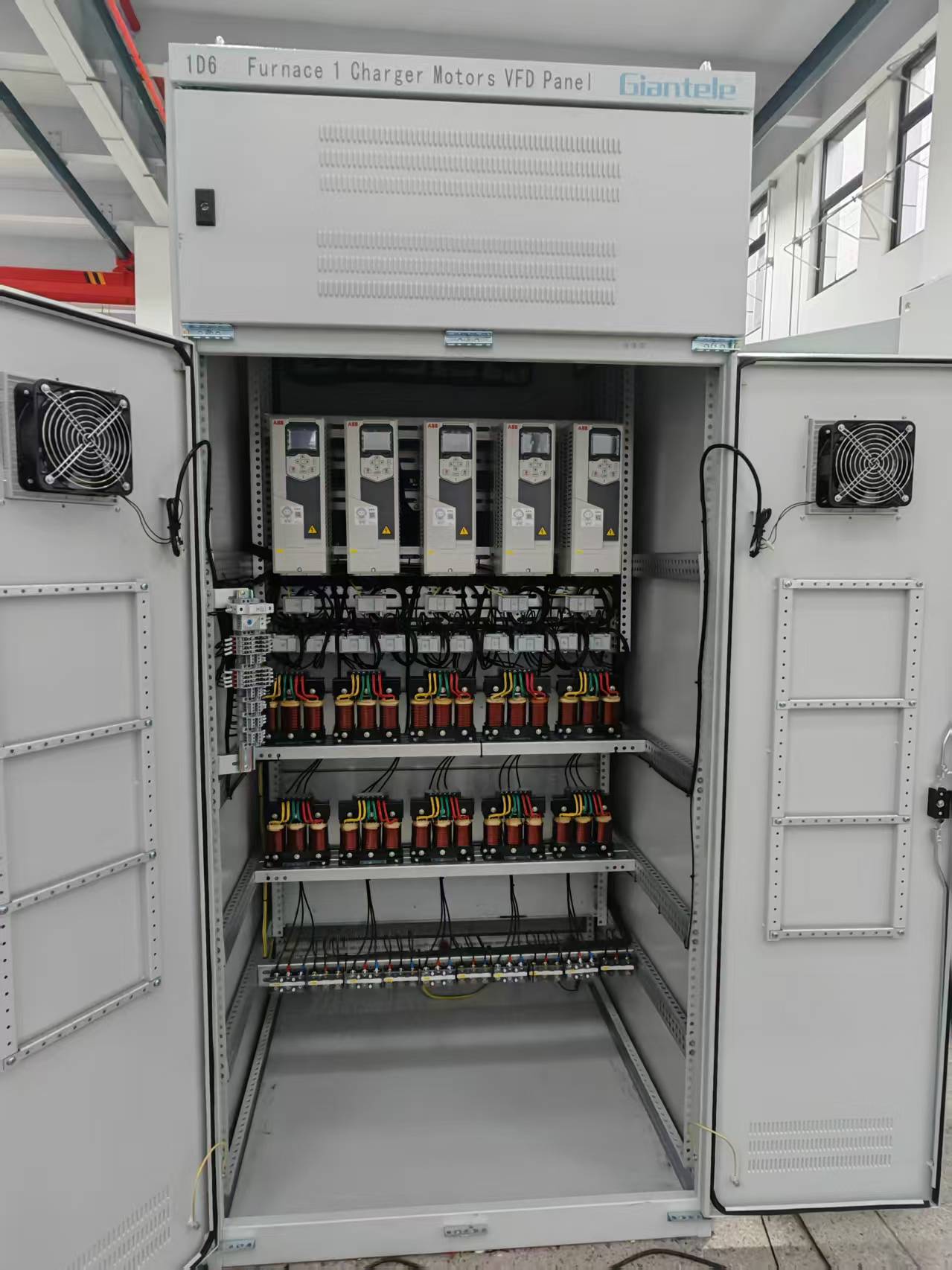
Irrigation sets the bar
An irrigation pump on a fixed starter runs flat out or not at all. A VFD reads a pressure sensor and trims motor speed to hold the setpoint. You save roughly 20 to 30 percent on pump energy.
Grain fans and dryers work the same way. Speed matches moisture, so you stop over-drying and cracking the grain.
Where variable speed pays on the farm
IEA studies rank motor systems as the largest use of electricity in agriculture. FAO links efficient pumping directly to lower on-farm energy costs. Variable-speed drives stay the fastest payback among motor efficiency measures.
Rural Grids Punish a Drive That Is Not Hardened
The weak link is rarely the drive. It is the supply behind it. A rural feeder drops a phase, sags under load, or runs from a generator. A drive built for a stable grid faults on day one.
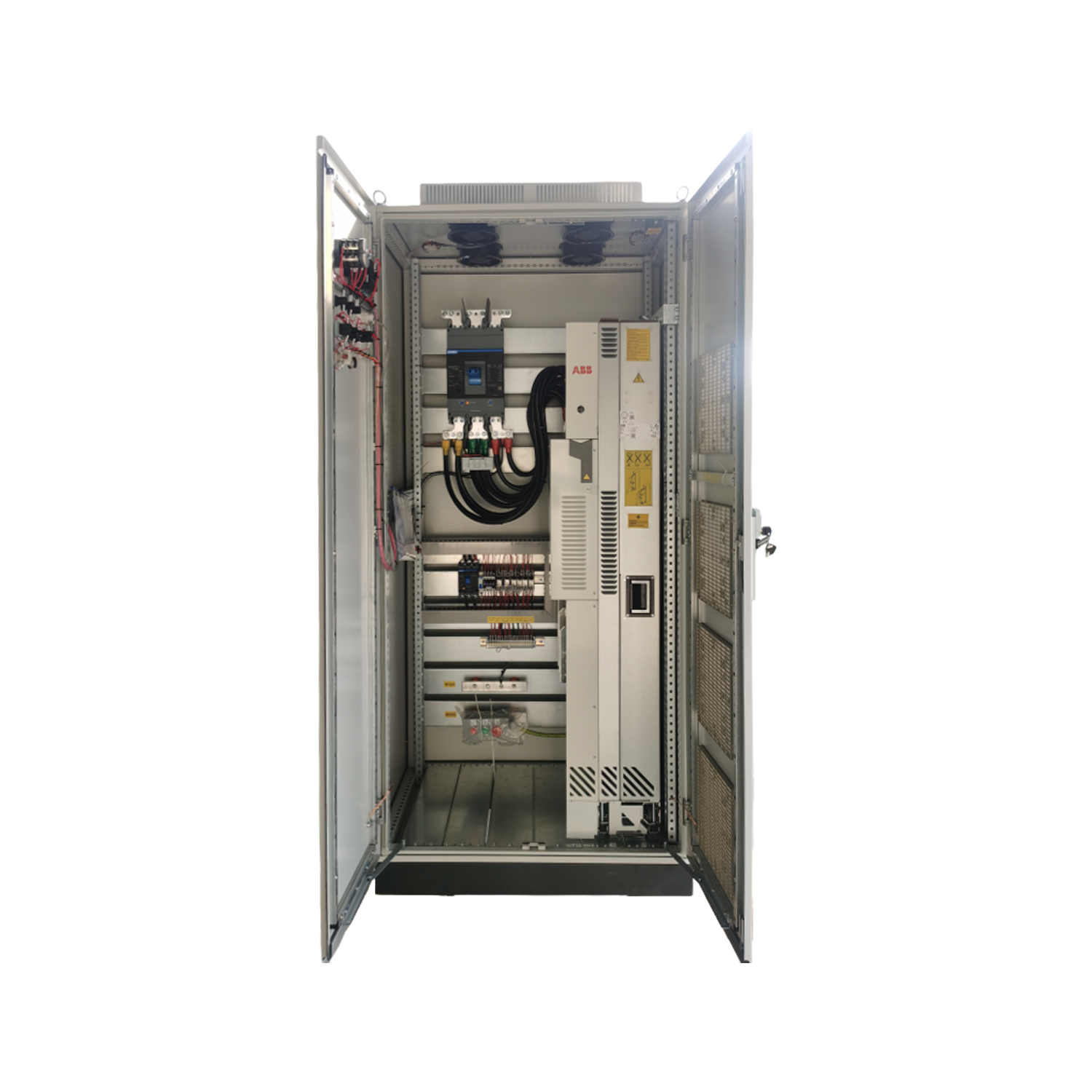
Protection belongs inside the panel
Many farms sit far from the substation. When the voltage sags, a standard drive simply stops. Ask the distributor which protections ship as standard. If the answer is none, keep looking.
| Grid problem | What it does to a motor | Panel feature to demand |
|---|---|---|
| Phase loss | Single-phasing burns windings | Phase-loss relay |
| Undervoltage | Motor stalls and overheats | Undervoltage trip with ride-through |
| Voltage spikes | Drives into fault, trips | Line reactor or surge protection |
| Single-phase supply | Cannot start a three-phase motor | Phase converter or single-phase input drive |
| Generator power | Unstable frequency | Wide input tolerance |
World Bank data shows weak grids cost developing economies billions in lost output each year. A hardened drive turns that shared risk into a problem you can engineer around.
How to Vet a Distributor for Farm-Duty VFD Panels
A distributor is not a spec sheet. Vet them on four things: farm experience, panel build, protections, and support. This is the step that separates a working farm from a returned drive.
Most custom control panel builders and control panel designers stock standard drives. Few understand the farm. The distributor who asks about your motor nameplate, your supply, and your dust level is the one to trust.
A custom control panel manufacturer can size the drive to your pump curve and add the protections you need. A box-shifter sells whatever is on the shelf. control panel supplier vetting starts with the same questions.
VFD Panel vs MCC Cabinet on the Farm
To define mcc electrical terms simply: an MCC cabinet is a motor control center. It holds many motor starters in one enclosure. A VFD panel holds one variable-speed drive. Farms use both.
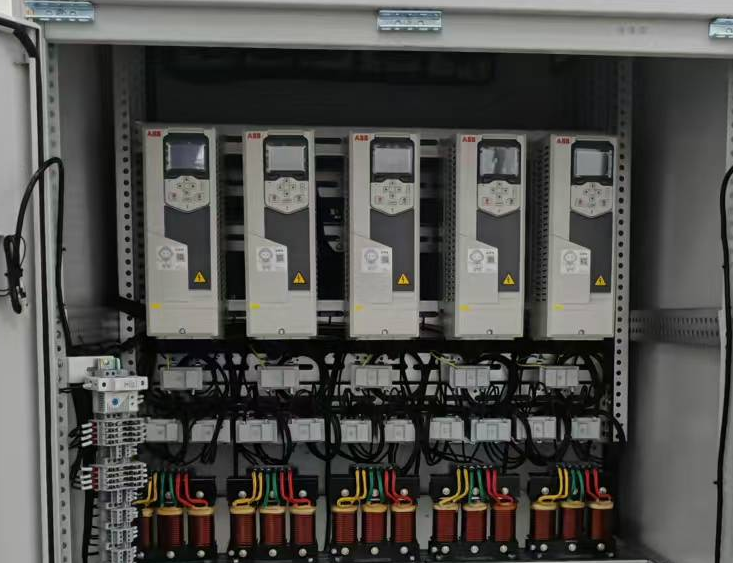
When the farm needs each one
A vfd control panel is the right tool for one critical motor. A mcc cabinet is the right tool for a barn full of them. The panel mcc approach scales when the farm grows.
Both assemblies should be type-tested to IEC 61439. A tested panel mcc lineup survives the dust and load swings that untested boxes do not.
For the drive itself, compare inverter panel board pricing across vendors. For the enclosure that feeds it, read power distribution board basics before you commit.
Frequently Asked Questions
Can a single-phase supply run a three-phase irrigation pump through a VFD?
How does a VFD panel protect motors from rural voltage swings and phase loss?
What IP rating suits grain, feed, and poultry houses?
Can a VFD panel run off solar for an off-grid borehole?
How do I size a VFD for my pump, fan, or mill?
What is an MCC cabinet, and when does a farm need one?
Should I buy from a local distributor or the panel manufacturer?
Final Thoughts
Do not buy a farm VFD panel by price alone. Match the drive to the load, harden it for the rural grid, and vet the distributor like the hardware. Contact Giantele for a farm-duty VFD panel proposal sized to your pumps, fans, and mills.
Get a Farm-Duty VFD Panel Quotation
Send your motor list, supply details, and site conditions. Our engineers size the drive and specify the protections your rural grid needs.