Custom automation systems for industrial production demand control panels that are not selected from a catalogue but designed from a specification. Standard panels fit standard applications. Custom electrical panels fit the specific sequence of motors, sensors, timers, and communication interfaces that a particular machine or process requires. Finding electrical cabinet manufacturers who design and build to a specification rather than selling pre-configured products is the subject of this guide.
Key Takeaways
- Custom automation starts with the control logic, not the enclosure: The value of an electrical cabinet manufacturer with custom expertise is not the metal box. It is the ability to translate a functional specification into a wiring diagram, a component bill of materials, and a working panel that controls the machine as specified.
- Enclosure material is a design decision, not a preference: Stainless steel electrical enclosure manufacturers serve different applications from carbon steel metal enclosure manufacturers. The choice depends on the installation environment, not the budget. A wrong material choice fails in months.
- Custom panels cost 30-50% more than standard equivalents: The premium pays for engineering time, custom layout design, one-off component sourcing, and documentation tailored to the specific machine. A catalogue panel saves this cost at the price of compromising on the control specification.
- Documentation separates custom builders from catalogue sellers: A proper custom electrical enclosures manufacturer delivers as-built wiring diagrams, a complete bill of materials with part numbers, and a factory test report that matches the specification. A catalogue seller delivers a user manual.
What custom automation panel manufacturing means in practice

Custom electrical panels versus catalogue products
A catalogue industrial electrical cabinet is pre-designed. The manufacturer selects components, designs the layout, and builds to a standard configuration. If your motor list and control logic match the standard exactly, the catalogue panel works. If your machine has specific timing, interlocks, or communication requirements the standard cannot support, you need a custom device.
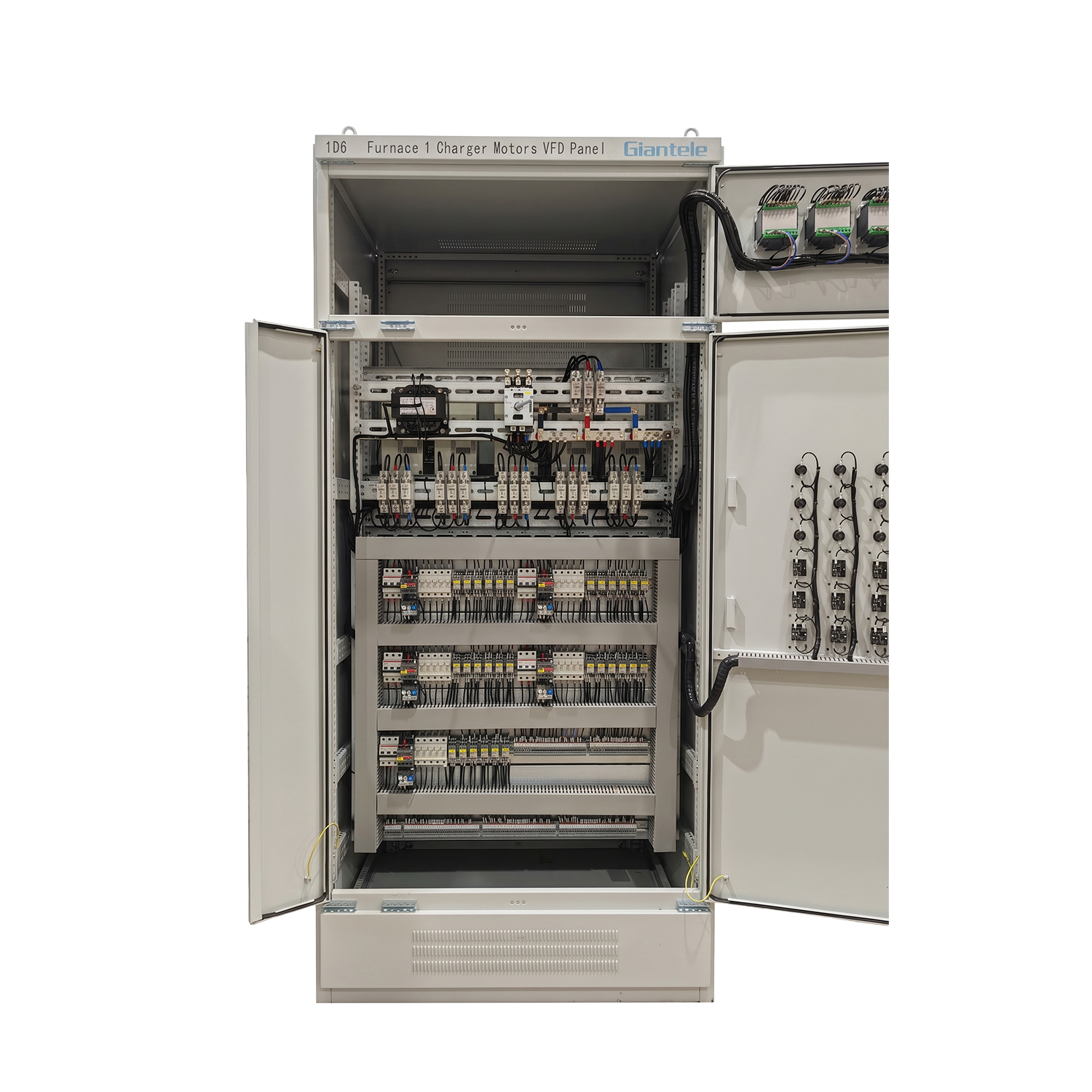
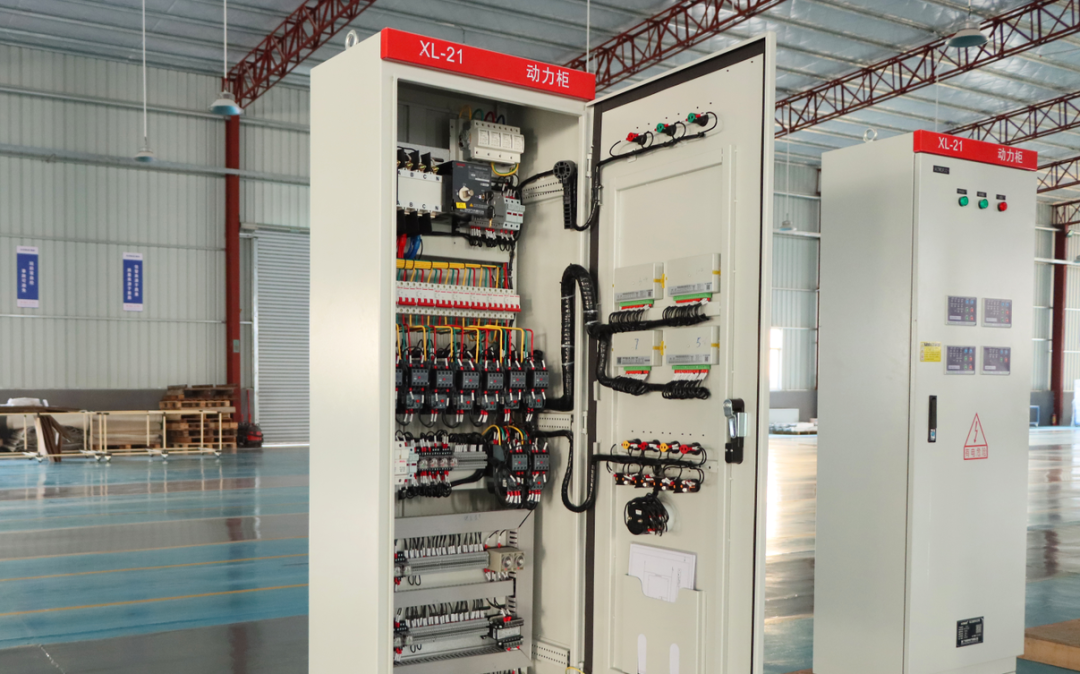
Custom electrical panels are built from the buyer's specification. The manufacturer designs a single-line diagram, component layout, wiring schedule, and control logic specific to that machine. The core competence is engineering, not manufacturing.
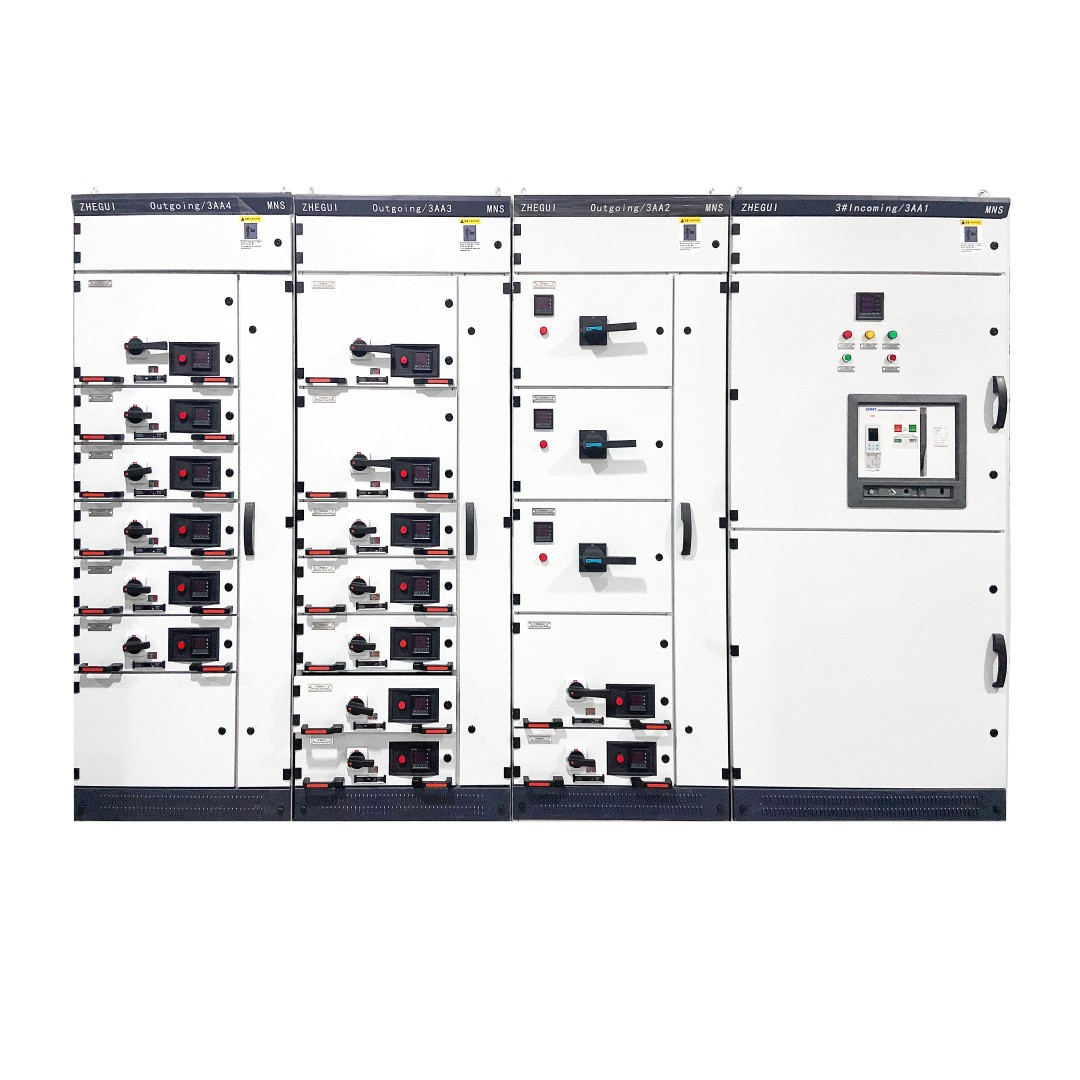
The motor control center panels that run large industrial plants typically start from a standard architecture that is customised during the engineering phase. Good electrical enclosure manufacturers understand both the catalogue and custom models and quote accordingly.
Choosing the right industrial electrical cabinet for custom automation
The enclosure decision drives 25-40% of the panel cost
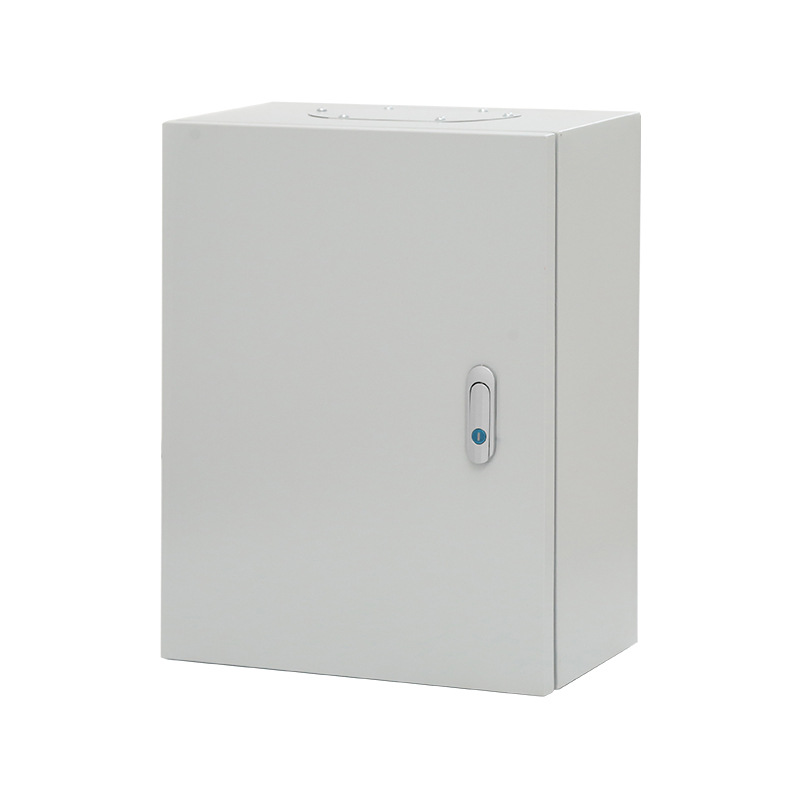
The industrial electrical box that houses a custom automation system is not an afterthought. It determines the internal layout, the thermal management requirements, the ingress protection level, and the panel's ability to survive in the installation environment. Carbon steel enclosures from metal enclosure manufacturers work for clean indoor environments. Stainless steel electrical enclosure manufacturers provide 304 or 316 stainless enclosures for washdown, marine, and chemical processing environments.
The enclosure size determines how much space is available for components and whether there is room for future expansion. A custom panel designed with zero spare space is cheaper to build but costs far more when the machine is upgraded and the panel is too full. The IEC 61439 standard provides the framework for verifying enclosure adequacy.

An industrial electronic box for a custom automation system often includes PLCs, communication gateways, and touchscreen HMIs alongside power components. These electronic devices are sensitive to heat and electromagnetic interference. The internal layout of the industrial electrical cabinet must separate power components from control components, and the enclosure ventilation must dissipate the combined heat load. Enclosure manufacturers with automation expertise plan this separation during design. A ring main unit on the plant distribution network may have different enclosure requirements from the control panel.
Evaluating electrical cabinet manufacturers for custom automation expertise

Four capabilities that define a strong custom panel builder
The ISO 9001 certified process requires documented quality verification, but the depth varies between manufacturers who treat documentation as a compliance exercise and those who treat it as an engineering deliverable. APFC panel builders with automation expertise often demonstrate stronger documentation practices because power factor correction systems require the same custom engineering approach as automation panels.
When stainless steel enclosures are worth the premium
| Material | Environment | Cost | Best For |
|---|---|---|---|
| Carbon steel, powder-coated | Clean indoor, dry, no chemical exposure | 1x | Factory electrical rooms, control rooms, indoor MCC installations |
| Stainless steel 304 | Wet, humid, light chemical exposure, outdoor under cover | 2-3x | Food processing, water treatment, outdoor with weather protection |
| Stainless steel 316 | Coastal, heavy chemical, washdown, corrosive atmosphere | 3-4x | Offshore platforms, chemical plants, marine, pharmaceutical |
| Fibreglass / polycarbonate | Highly corrosive, non-metallic requirement | 1.5-2.5x | Fertiliser plants, electroplating, outdoor telecom, mining |
Not every electrical enclosure manufacturer works with 316 stainless steel. The welding, surface finishing, and gasket sealing are different from carbon steel work. An active harmonic filter installation in a corrosive environment requires both the filter panel and the enclosure to survive the same conditions. The IEA has documented that industrial electrical equipment in harsh environments requires enclosure material selection based on lifecycle cost analysis, not initial purchase price.
Working with enclosure manufacturers on custom automation projects
The most efficient custom automation panel projects follow a sequence: define the functional specification, select the enclosure material and size, design the internal layout, build the panel, test against the specification, and deliver with complete documentation. Power factor correction equipment follows the same custom engineering approach as motor control panels. The engineering investment in the specification and design phases determines whether the panel works correctly on first power-up or requires weeks of on-site debugging.
Frequently asked questions
What is the difference between custom and standard industrial control panels?
How do I choose between carbon steel and stainless steel for my industrial electrical box?
How long does a custom automation panel take from specification to delivery?
What documentation should I expect from a custom panel builder?
How do metal enclosure manufacturers handle thermal management in custom panels?
Can I provide my own components for the enclosure manufacturer to install?
Final thoughts
Custom automation systems require control panels built from a specification, not from a catalogue. The industrial electrical cabinet must be selected for the installation environment, designed for the specific component layout, and tested against the functional requirements. Electrical cabinet manufacturers with custom expertise deliver panels with complete documentation that supports maintenance, troubleshooting, and future modifications. The premium over a standard panel is recovered through eliminated adaptation costs and through documentation that makes future maintenance predictable rather than investigative.
Discuss Your Custom Automation Panel Requirements
Send us your functional specification and motor list. Our engineering team provides a custom panel design with complete documentation: single-line diagram, wiring schedule, bill of materials, and factory test plan.