
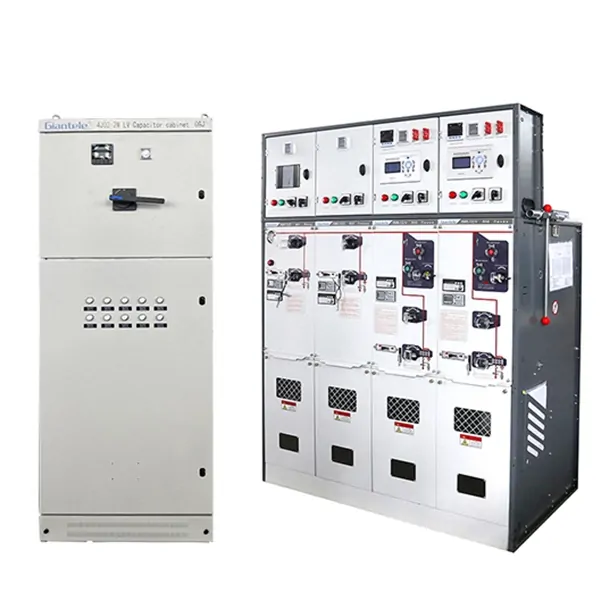
The Difference Between Ring Main Units and Switchgear
RMUs and switchgear both switch and protect MV networks, but differ in structure, fault isolation and application. Compare ring main unit vs switchgear.
Read More →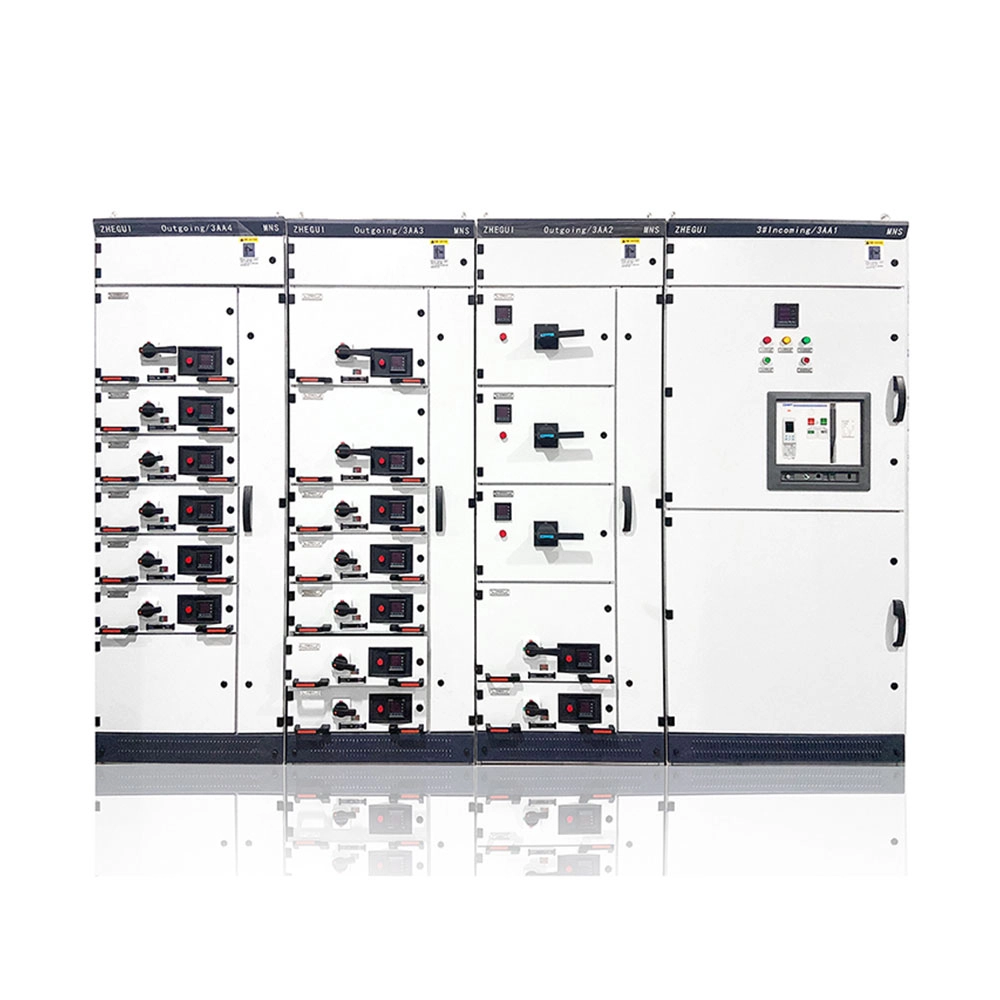
What is withdrawable switchgear?
In the complex landscape of industrial power distribution, engineering decisions often boil down to a single, critical conflict: the trade-off between initial Capital Expenditure (CapEx) and long-term Operational Expenditure (OpEx). While fixed installation designs offer immediate cost savings durin
Read More →
Benefits of Reactive Power Compensation for Industrial Applications
Reactive power compensation is a crucial aspect of industrial power systems that significantly enhances the efficiency and reliability of electrical operations. In industrial settings, where large motors and transformers are commonplace, managing reactive power is essential for optimizing energy use and reducing operational costs.
Read More → The Difference Between Ring Main Units and Switchgear
RMUs and switchgear both switch and protect MV networks, but differ in structure, fault isolation and application. Compare ring main unit vs switchgear.
Read More → What is withdrawable switchgear?
In the complex landscape of industrial power distribution, engineering decisions often boil down to a single, critical conflict: the trade-off between initial Capital Expenditure (CapEx) and long-term Operational Expenditure (OpEx). While fixed installation designs offer immediate cost savings durin
Read More → Benefits of Reactive Power Compensation for Industrial Applications
Reactive power compensation is a crucial aspect of industrial power systems that significantly enhances the efficiency and reliability of electrical operations. In industrial settings, where large motors and transformers are commonplace, managing reactive power is essential for optimizing energy use and reducing operational costs.
Read More →
How To Size Motor Control Center Busbars From A Motor Load List
Motor Control Center busbar sizing turns an MCC motor schedule into a duty specification, before anyone chooses copper dimensions. Follow one load list through operating combinations, future demand, and assembly verification.
Read More →
Three-Pole Or Four-Pole Incomers for Power Distribution Boards?
A power distribution board with the wrong incomer can create serious electrical safety risks. But does choosing four poles always provide better protection? A three-pole incomer disconnects three phase conductors while keeping the neutral connected. A four-pole incomer also disconnects the neutral when additional isolation is required. However, more poles do not automatically mean greater safety. The correct choice depends on earthing arrangements, neutral isolation requirements, and supply configurations. These factors become especially important when generators or multiple power sources supply the same distribution board. Incorrect neutral switching can affect fault protection and maintenance safety. Understanding these differences helps engineers determine when three-pole switching is sufficient and when four-pole switching becomes necessary. Proper selection also ensures safer operation and compliance with applicable electrical requirements.
Read More →
Motor Control Center Separation: Form 2, Form 3, Or Form 4?
Motor Control Center separation shapes how you access an MCC and its internal parts during maintenance. Choose Form 2, Form 3, or Form 4 by checking which parts need separation. This guide explains the differences and helps you prepare a clear purchase specification.
Read More →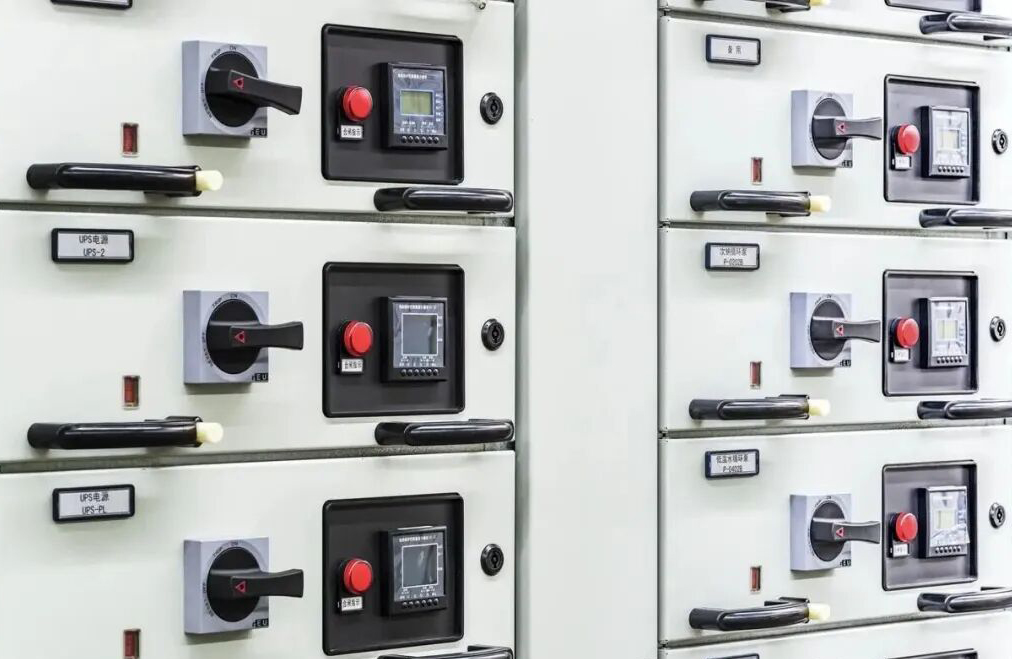
Financing Options for Industrial Electrical Distribution Equipment Purchases
How industrial electrical distribution equipment gets financed: progress payments, leases, export credit and currency cover, and what a lender checks first.
Read More →
Remote Monitoring Solutions for Industrial Power Distribution Panels
Remote monitoring works or fails inside the panel, not on the dashboard. What must cross the enclosure wall, and what to order before the gateway arrives.
Read More →
Find Distributors of Explosion-proof Power Distribution Cabinets
A distributor of explosion proof distribution cabinets is judged by what it can certify, not by what it stocks. The questions to ask before you shortlist one.
Read More →