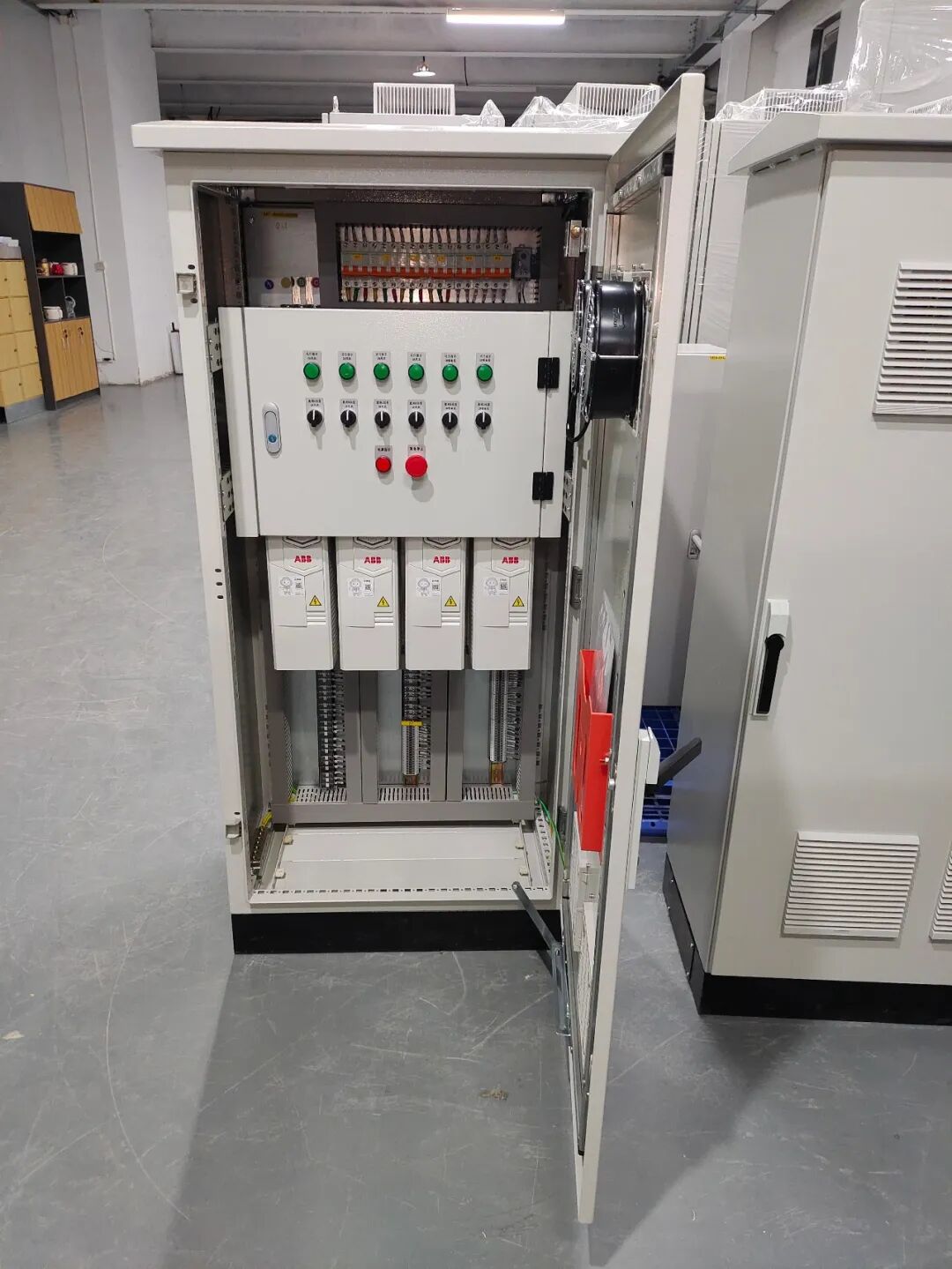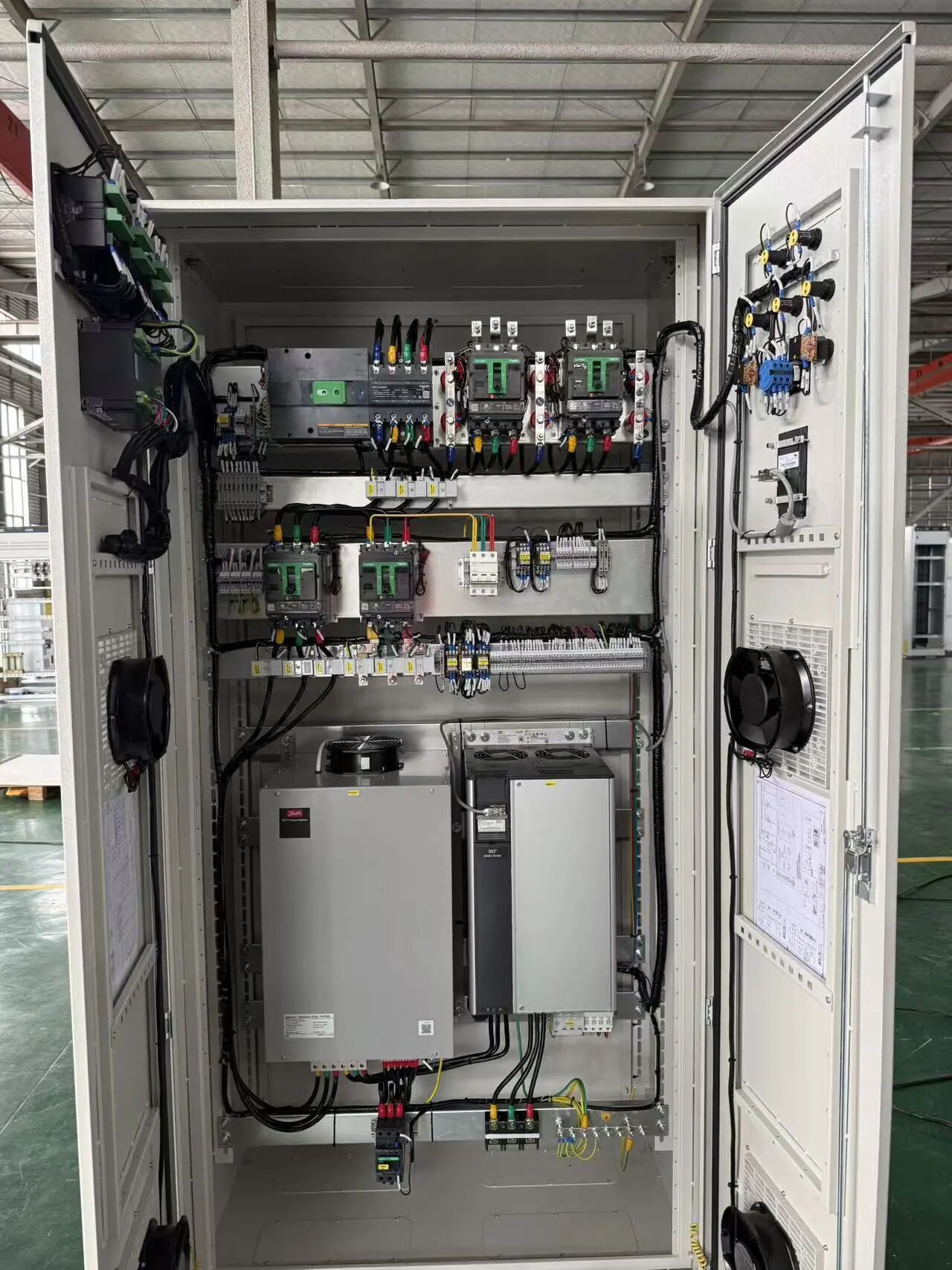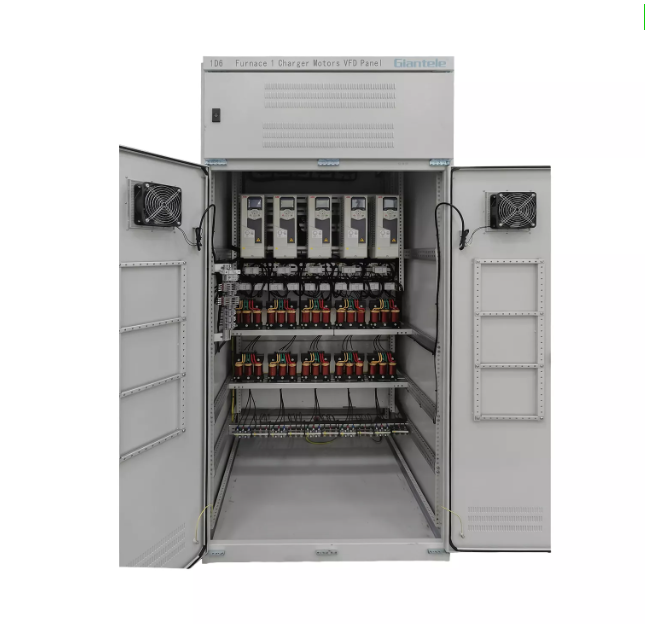
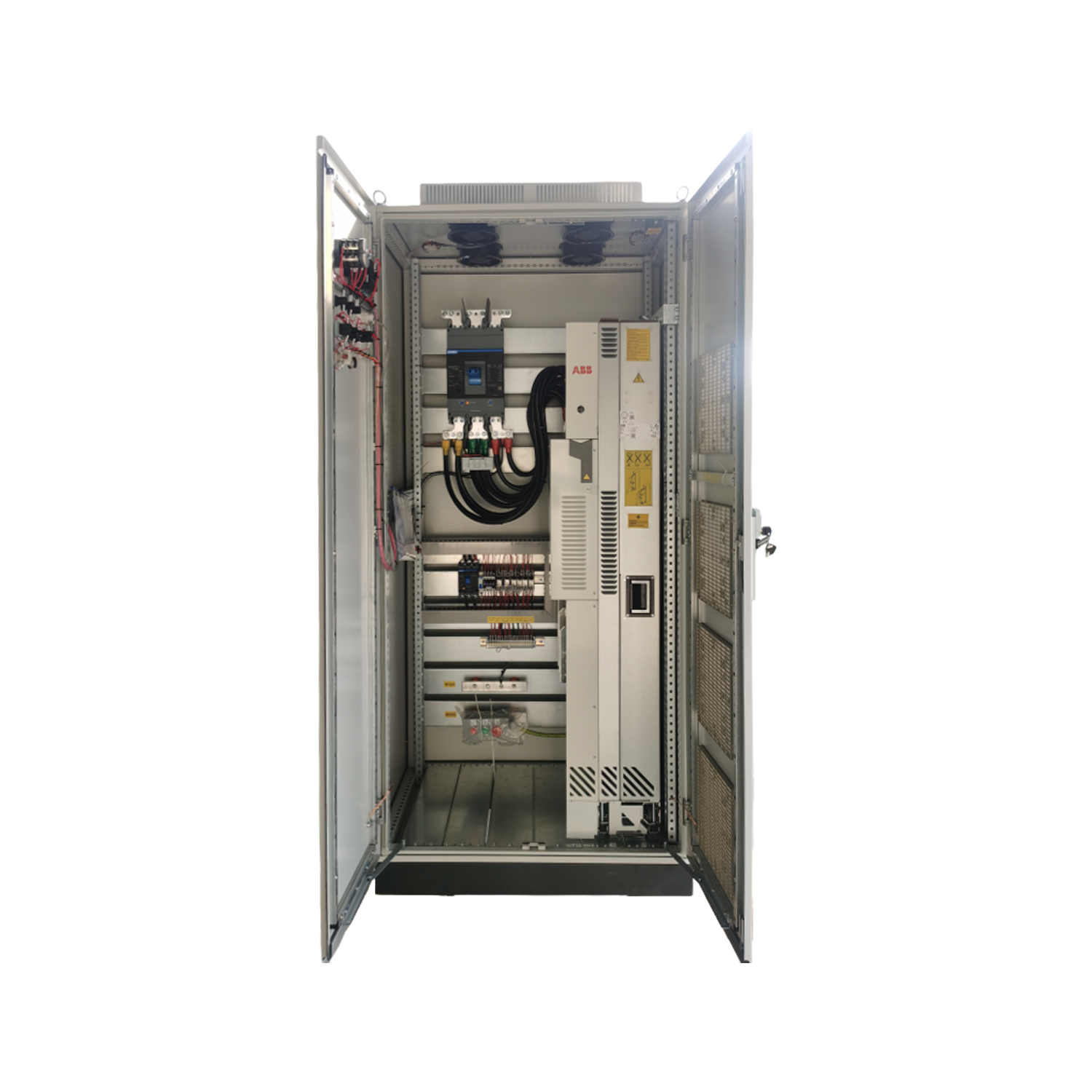
A marine VFD panel lives in salt spray, humidity, and constant vibration. A standard indoor vfd drive panel fails fast at sea. This guide shows how to vet vendors for a vfd control panel built to survive vessels and offshore platforms.
Key takeaways
- Marine-grade starts with a sealed, corrosion-resistant enclosure, not just a bigger drive.
- An enclosed motor starter keeps salt and moisture away from the contactor and overload relay.
- Panel fabrication for the sea means welded seams, bottom gland plates, and anti-condensation heaters.
- Turnkey factory automation keeps the panel, wiring, and commissioning under one warranty.
- A sump pump controller handles bilge and ballast duty where a plain drive will not survive.
What marine-grade means for a vfd drive panel
A vfd drive panel that ships to sea faces three enemies: salt, moisture, and motion. Marine-grade means engineering the enclosure and the drive around all three, not just bolting a standard panel to a deck.
The IMO publishes the safety framework that vessels and floating platforms must meet, and electrical equipment sits inside that framework. A marine vfd control panel needs an enclosure rated for its zone, a corrosion-resistant finish, and internal bracing so vibration does not loosen busbars and terminations.

The enclosure, not the drive, decides marine life
Salt spray reaches every joint on a vessel. A panel with open vents or a bare steel shell starts corroding within months.
A vfd control panels vendor who builds for marine duty will name the IP rating, the coating, and the gland plate layout before they quote a drive. If they cannot, keep looking.
Enclosed motor starters and the motor controlling system
Marine loads run through enclosed motor starters: winches, cargo pumps, ventilation fans, and ballast pumps. Each starter must survive the same salt and moisture as the panel that feeds it.
An enclosed motor starter seals the contactor and overload relay inside a rated housing, so salt does not track across the contacts. This is the heart of the motor controlling system on a vessel, where a single failed starter can stall a cargo operation or a ballast transfer.

Group starters so one failure does not stop the vessel
A motor control center groups enclosed starters in one lineup, each with its own isolation point. That matters at sea, where you fix one circuit without de-energizing the whole board.
Ask a vendor how the enclosed motor starter handles a live change-out. If the answer is vague, the motor controlling system will cost you at the worst possible moment.
Panel fabrication for salt spray and vibration
Panel fabrication is where a marine panel is won or lost. Welded seams, a marine coating, bottom gland plates, and anti-condensation heaters are the details that keep the inside dry and the connections tight.
| Fabrication detail | Why it matters at sea | What to specify |
|---|---|---|
| Enclosure finish | Bare steel corrodes in salt air | Marine-grade coating or stainless |
| Seam construction | Welded seams keep spray out | Continuous welded, gasketed door |
| Cable entry | Top entries leak on deck | Bottom or side gland plates |
| Internal climate | Condensation shorts terminals | Anti-condensation heater |
| Vibration | Loosens busbars and terminations | Bracing and torque-marked joints |
Any assembly for the sea still has to meet IEC 61439 rules for low-voltage switchgear and controlgear assemblies. A shop that does control panel fabrication with documented procedures gives you a traceable build you can show a surveyor.
Turnkey automation for vessels and offshore platforms
Turnkey factory automation means one vendor delivers the panels, the wiring, the program, and the commissioning. On a platform or vessel, that keeps the warranty and the documentation in one place instead of split across three suppliers.
Turn key automation matters more at sea because you cannot fly a technician out on short notice. A vendor that also manages the automation panels and the commissioning proves they can stand behind the whole system, not just the steel box.

Five questions for a marine turnkey vendor
Custom turnkey manufacturing solutions with a ISO 9001 quality file give you a documented build to hand a surveyor. A custom electrical panels vendor who also delivers industrial control panels can carry the whole automation scope without subbing it out.
Sump pump control for bilge and ballast duty
Bilge and ballast systems run on sump pump controllers. A bilge pump cycles day and night in a wet, salty well, so its controller must be sealed, reliable, and easy to swap when a float switch or level probe fails.
A dedicated sump pump controller isolates the pump circuit and its level control from the rest of the motor controlling system. That lets the crew maintain the bilge circuit without touching the main board. Ask the vendor whether the sump pump control panel ships pre-wired with its level control, because re-wiring a bilge controller dockside is slow and expensive.
Frequently asked questions
What IP rating does a marine VFD panel need?
What is an enclosed motor starter, and why does it matter at sea?
How is marine panel fabrication different from standard fabrication?
What does turnkey factory automation include for a marine project?
Do I need a separate sump pump controller for bilge duty?
How much does a marine-grade VFD panel cost compared to standard?
Final thoughts
A marine vfd drive panel is an enclosure engineering job before it is a drive job. Get the IP rating, the coating, and the class-ready documentation in writing before you order. Contact Giantele for a marine VFD panel scope matched to your vessel or platform.
Need VFD panels built for marine and offshore duty?
Send us your vessel type, zone ratings, and motor list. We return a corrosion-resistant panel layout with the coating, IP rating, and class-ready documentation before you commit.