
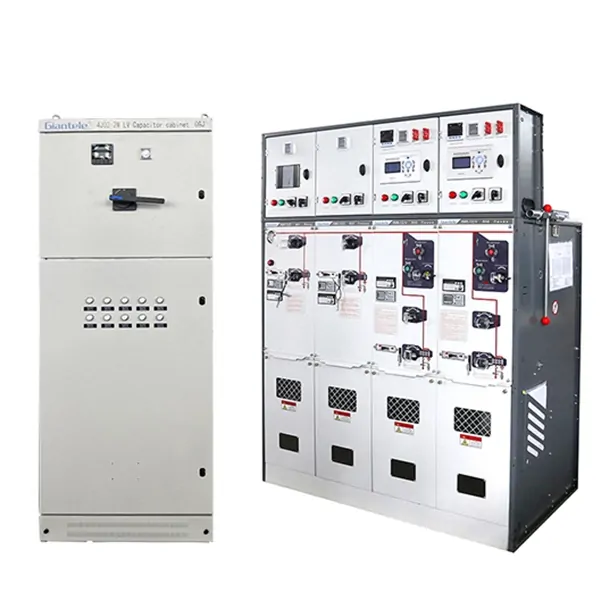
The Difference Between Ring Main Units and Switchgear
RMUs and switchgear both switch and protect MV networks, but differ in structure, fault isolation and application. Compare ring main unit vs switchgear.
Read More →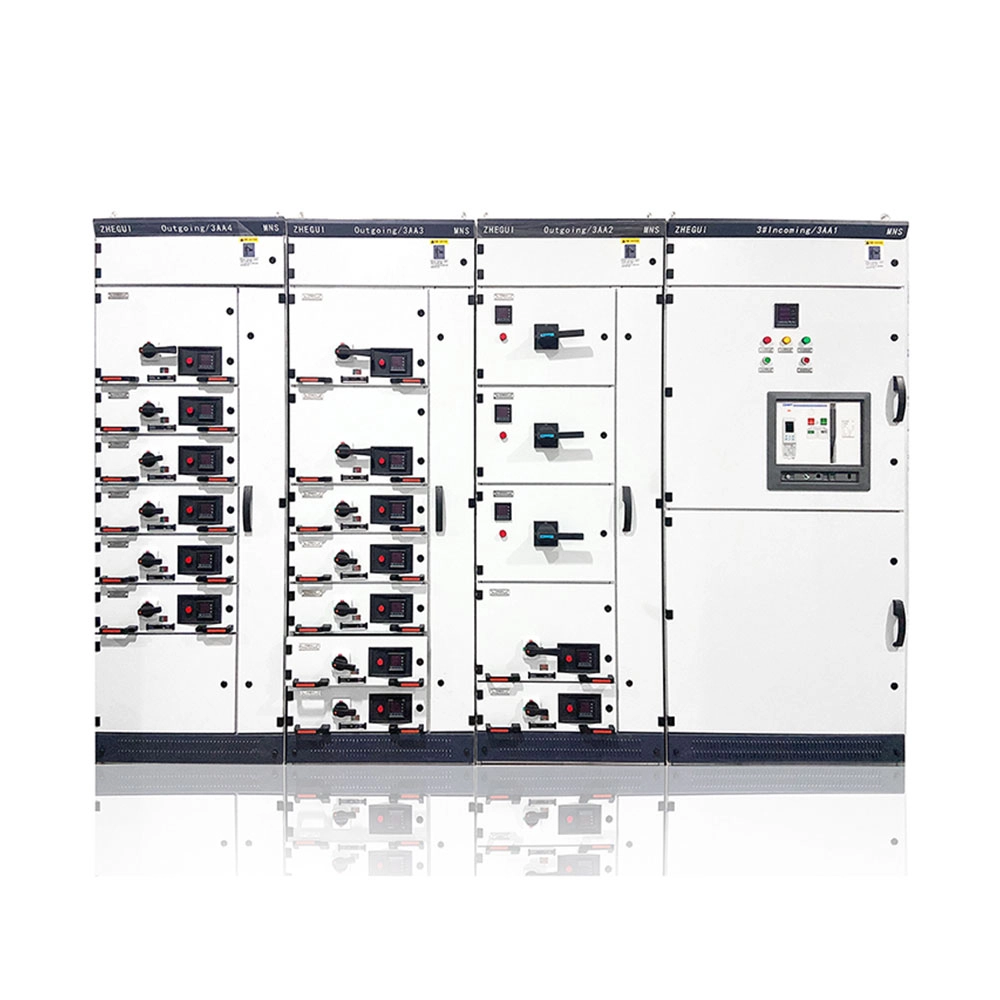
What is withdrawable switchgear?
In the complex landscape of industrial power distribution, engineering decisions often boil down to a single, critical conflict: the trade-off between initial Capital Expenditure (CapEx) and long-term Operational Expenditure (OpEx). While fixed installation designs offer immediate cost savings durin
Read More →
Benefits of Reactive Power Compensation for Industrial Applications
Reactive power compensation is a crucial aspect of industrial power systems that significantly enhances the efficiency and reliability of electrical operations. In industrial settings, where large motors and transformers are commonplace, managing reactive power is essential for optimizing energy use and reducing operational costs.
Read More →
The Difference Between Ring Main Units and Switchgear
RMUs and switchgear both switch and protect MV networks, but differ in structure, fault isolation and application. Compare ring main unit vs switchgear.
Read More →
What is withdrawable switchgear?
In the complex landscape of industrial power distribution, engineering decisions often boil down to a single, critical conflict: the trade-off between initial Capital Expenditure (CapEx) and long-term Operational Expenditure (OpEx). While fixed installation designs offer immediate cost savings durin
Read More →
Benefits of Reactive Power Compensation for Industrial Applications
Reactive power compensation is a crucial aspect of industrial power systems that significantly enhances the efficiency and reliability of electrical operations. In industrial settings, where large motors and transformers are commonplace, managing reactive power is essential for optimizing energy use and reducing operational costs.
Read More →
Motor Control Center Restart Sequencing After A Power Outage
Motor Control Center restart sequencing helps an MCC restore motor loads in a controlled order. Power returning does not mean every motor should restart together. Plan the sequence around safe conditions, supply capacity, and the order your process needs.
Read More →
Companies Offering Remote Monitoring Solutions for VFD Panels
Compare companies offering remote monitoring for vfd panels: what a vfd panel board must report, what the wiring needs, and what to ask before you sign.
Read More →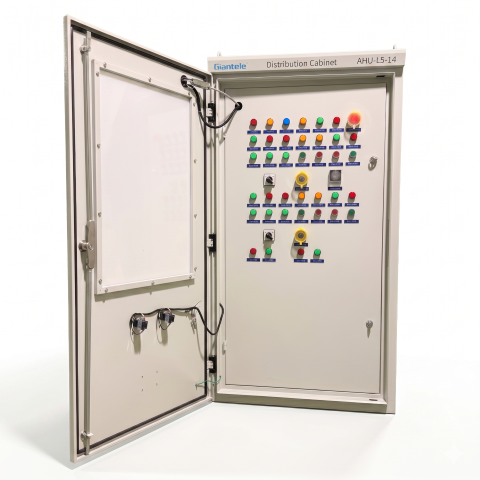
Get Pricing for A VFD Panel with Bypass Functionality
Pricing a VFD panel with bypass comes down to the bypass type, the contactor rating and the transfer sequence. Here is how to read a quote line by line.
Read More →
How to Select Overload Relay Trip Classes for MCC Motors
Motor Control Center overload protection must let an MCC motor start while still responding to harmful sustained current. The trip class describes a relay's time-current behaviour under defined conditions. Select it using the motor's starting duty and thermal limits, rather than the class number alone.
Read More →
Type 1 Vs Type 2 Coordination in Motor Control Center Starters
Motor Control Center starter coordination defines how an MCC starter combination performs under specified short-circuit conditions. Type 1 and Type 2 differ mainly in the starter's condition after the test.Choose between them using verified combinations and your required recovery plan.
Read More →
Ground Bus Bar Vs. Neutral Bus Bar: What Is The Difference?
Motor Control Center designs give the MCC ground bus bar and neutral bus bar different jobs. One supports protective earthing, while the other carries return current where the circuit needs a neutral.
Read More →