


You use electricity every day, but you may not know how it safely reaches your lights and outlets. Distribution Panels act like traffic controllers for electricity in your home. They direct the flow of power to different rooms and devices. Think of them as the mailbox that sorts your mail so everything goes to the right place. You do not need special skills to understand how they work or why they matter for your safety.
Key Takeaways
Distribution panels work like traffic controllers for electricity. They send power safely to different rooms and devices in your house.
Modern distribution panels have better safety features. Circuit breakers trip when there is too much power. This stops electrical fires and shocks.
Check your distribution panel often for problems. Look for tripped breakers or lights that flicker. This helps keep your home safe.
Label each circuit in your panel. This helps you know what powers each room or device. It makes it easier to control your electricity use.
Have a professional check your distribution panel every three years. This helps find problems before they get worse.
Distribution Panels Basics
What Is a Distribution Panel?
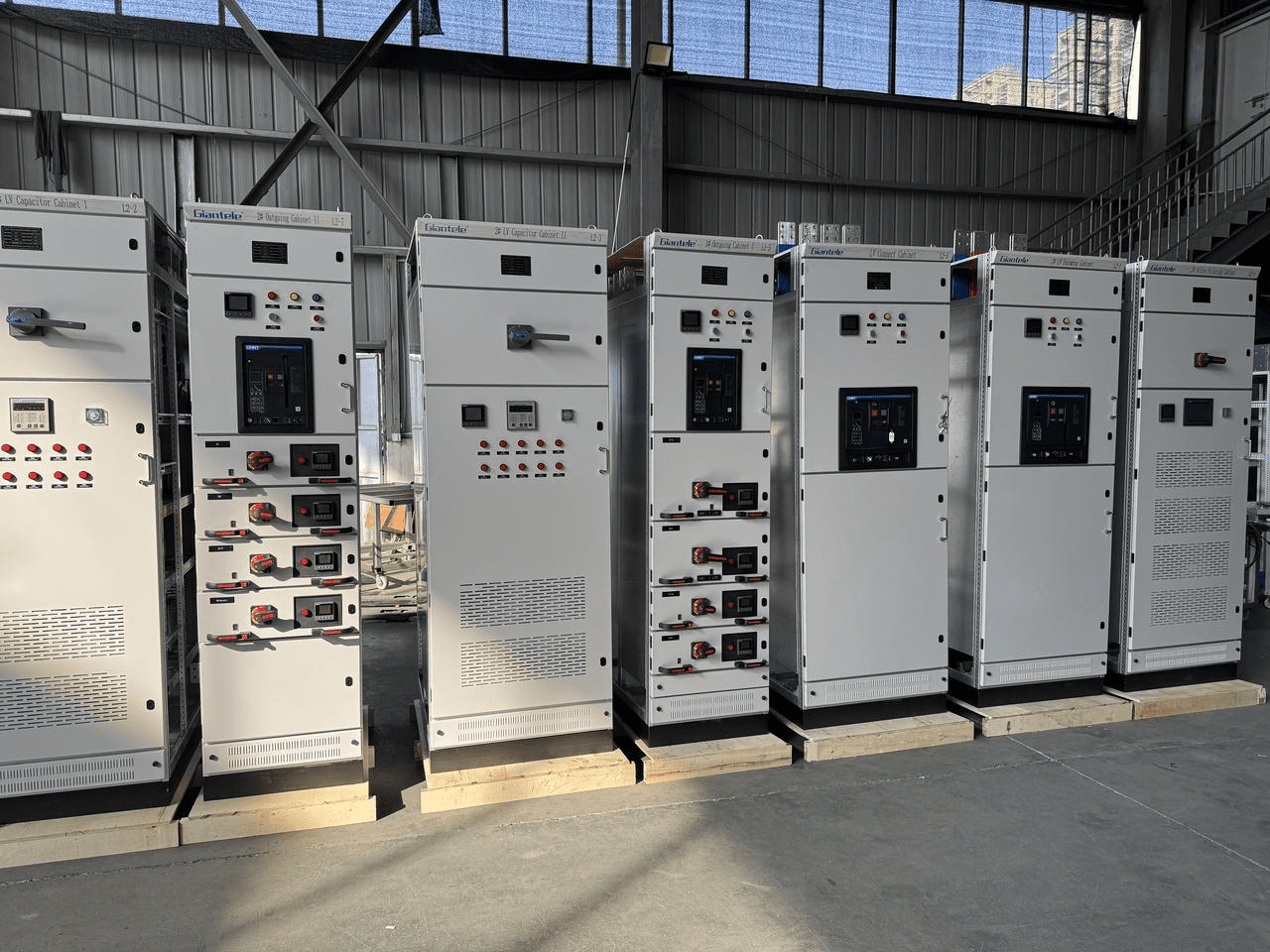
A distribution panel is like the main station for electricity in your house. It gets power from the utility company and sends it to different circuits. Each circuit gives energy to a certain room or device. Power distribution panels help you decide where electricity goes. They also keep things neat and safe. Older homes might have fuse boxes. Newer homes use breaker panels instead. Here’s a quick comparison:
Feature | Older Fuse Boxes | Modern Breaker Panels |
|---|---|---|
Type | Fuse | Breaker |
Capacity | Limited | Higher capacity for modern demands |
Safety | Less safe, prone to issues | Enhanced safety features |
Reset Capability | No reset capability | Can be reset easily |
Suitability | Not suitable for modern demands | Designed for current electrical needs |
Main Functions
Distribution panels do a few key things:
They get electricity from the utility company.
They split power into smaller circuits for rooms or appliances.
They protect your home by turning off power if there is a problem, like an overload or short circuit.
You might also hear about subpanels. These work with the main panel but do different jobs:
The main panel gets power straight from the utility company.
Subpanels get power from the main panel.
The main panel has a main breaker to control everything. Subpanels usually do not have this.
The main panel connects ground and neutral wires together. Subpanels keep these wires apart for safety.
Tip: If you build a new room or garage, you may need a subpanel for extra circuits.
Where You Find Them
You can find distribution panels in many places, depending on your house or building:
Basements
Garages
Utility rooms
Laundry areas
In apartments, panels are often near the entrance, in bedroom closets, or in hallways. Older homes sometimes have panels outside, usually on a wall.
Distribution panels make sure your home gets safe and steady power. You can find yours by looking in these usual spots.
How Distribution Panels Work
Power Flow Overview
You may wonder how electricity gets from outside to your lamp. It follows a path, like water in pipes. Here is what happens:
Power comes into your house through the Service Drop and goes to the meter socket. The meter checks how much electricity you use.
Wires move the electricity from the meter to the Main Breaker inside your distribution panel.
The Main Breaker is like a big switch. It controls all the power coming into your house.
Electricity goes from the Main Breaker to metal strips called Bus Bars. These bars send power to smaller circuits.
Each circuit breaker connects to a bus bar. It starts a new circuit for a room or device.
The hot wire leaves the breaker and goes to outlets, lights, or appliances. The neutral wire goes back to the Neutral Bar to finish the loop.
Picture your distribution panel as a busy train station. The main breaker is the boss. Bus bars are the train tracks. Each circuit breaker is a train going to a different place in your house.
Key Components
There are many important parts inside distribution panels. Each part has its own job:
Main Switch (Main Breaker): This big switch lets you turn off all the power in your house at once. You use it if there is an emergency or when you need repairs.
Bus Bars: These metal strips carry electricity from the main breaker to the smaller circuit breakers.
Circuit Breakers: These switches control power to each room or device. They keep your house safe by turning off power if something is wrong.
Fuses: Some old panels use fuses instead of breakers. Fuses melt and stop the circuit if too much electricity flows.
Neutral Bar and Ground Bar: These bars help send electricity back safely and give a path for extra current.
Modern distribution panels have new devices for more safety:
Device Type | Description |
|---|---|
GFCI | Watches the current and trips to stop shocks if there is a leak. |
AFCI | Looks for electrical arcs to stop fires before they start. |
Some new panels have smart features. You can check your energy use, control circuits with an app, and connect solar panels or car chargers.
Circuit Protection
Distribution panels keep your house safe from electrical problems. Circuit breakers and fuses are like guards. They watch for trouble and act fast.
Circuit breakers trip if they sense too much power or a short circuit. You can reset them after you fix the problem.
Fuses blow and stop power if too much current flows. You must put in a new fuse to get power back.
Circuit breakers can handle more power and make it easy to add new circuits later.
Special breakers give even more safety:
GFCI breakers lower the chance of electric shock by watching the current and tripping if they find a leak.
AFCI breakers help stop fires by finding dangerous arcs.
Tip: Smart distribution panels let you see your energy use right away and control things from your phone. You can turn circuits on or off, and even connect renewable energy.
Distribution panels do more than send power around your house. They are your first defense against electrical dangers. They make your home safer and help it work better.
Safety and Efficiency

Overload Protection
You want your house to be safe from electrical trouble. Distribution panels help by stopping overloads and short circuits before they hurt anyone. If you plug in too many things or use a broken appliance, the panel acts fast. Circuit breakers will trip or fuses will blow to turn off the power. This keeps fires and electric shocks from happening.
Some signs of overload are:
Lights flicker or get dim when you use lots of devices
Circuit breakers trip a lot or fuses blow again and again
Breakers trip because of shorts or too much power on a circuit. Plugging in many appliances, using a damaged cord, or running something that needs more power than the circuit can give will make breakers trip. Even starting a big electric motor can sometimes trip a breaker.
If your house uses more electricity than the panel can handle, you might see many breakers trip or lose power in the whole house.
Preventing Hazards
Modern panels keep you safer than old ones. They use new technology to stop fires and shocks. Old panels might not trip during overloads, which makes overheating and fire more likely. Insurance companies may not cover homes with old panels because they are risky.
Feature | Modern Panels | Older Panels |
|---|---|---|
Circuit Protection | AFCI and GFCI built in | Only basic fuses or old breakers |
Overload Prevention | Shuts off power for problems | May not trip during overloads |
Compliance with Standards | Follows today’s electrical codes | Might not meet safety rules |
Risk of Electrical Fires | Much lower risk | High risk from old parts |
Smart Capabilities | Can track energy in real time | No smart features |
Panels must follow strict safety rules. For global markets, Distribution Panels should meet CE, LVD 2014/35/EU, and EMC 2014/30/EU requirements. Low-voltage Distribution Panels should also follow IEC 61439-3, which focuses on electric shock protection, insulation safety, enclosure protection, and reliable daily operation.
Energy Management
Distribution panels help you use energy in a smart way. Many new panels let you see how much electricity you use right now. This helps you find waste and save money on bills. Some panels let you move non-important energy use to times when power is cheaper, so you can save money each year.
Feature | Benefit |
|---|---|
Real-time monitoring | Shows where you use the most energy |
Load management | Cuts down use of non-important devices when power costs more |
Time-of-use optimization | Moves some energy use to cheaper hours, saving $200–$500 a year |
Integration with renewable energy | Uses solar power first, making your home work better |
Predictive maintenance alerts | Warns you about problems before they get worse |
Tip: Smart panels can send messages to your phone if something is wrong or if you use too much energy.
You get a safer and better home when you know how your panel works and keep it updated.
Practical Tips and Concerns
Signs of Trouble
You can spot early warning signs that your distribution panel needs attention. Watch for these common issues:
Breakers trip often, even when you do not use many devices.
Lights flicker or dim, especially when you turn on appliances.
You smell something burning near the panel.
Rust or corrosion appears on the panel or breakers.
The panel cover feels warm or hot to the touch.
Warning Sign | What It Means |
|---|---|
Buzzing or crackling sounds | Possible arcing or loose connections |
Discolored breakers | Heat damage from poor connections |
Mild shocks from appliances | Grounding problems |
Need for many extension cords | Not enough circuits for your needs |
Panel older than 25-30 years | Outdated and may not meet safety standards |
Tip: Never ignore these signs. Problems can lead to electrical fires or shocks if left unchecked.
When to Call a Pro
You should contact a licensed electrician if you notice any of these problems:
Breakers trip again and again.
You smell burning or see scorch marks near the panel.
The panel cover feels hot.
You get mild shocks from outlets or appliances.
Your panel uses fuses instead of breakers or is over 25 years old.
A professional electrician has the right training and tools. Look for someone who is licensed, insured, and follows safety codes. They know how to handle complex systems and can spot hidden dangers.
Note: Electricians with experience in panel upgrades and repairs keep your home safe and up to code.
Simple Maintenance
You can help keep your panel safe with a few easy steps:
Check for tripped breakers or blown fuses. Spread out your devices if one circuit gets overloaded.
Make sure the area around the panel stays dry and clear.
Label each breaker so you know what it controls.
Schedule a professional inspection every three years, or more often for older panels.
Always turn off the main power before you look inside the panel. Use insulated tools and wear safety gear.
Tip: Never remove the panel cover or work on wiring yourself. Leave repairs and upgrades to the experts.
Regular checks and safe habits help prevent problems and keep your home running smoothly.
You have learned how distribution panels protect your home and help it use energy well. Knowing about your panel lets you find problems like too much power on one circuit, old breakers, or rust. Keep the space around your panel open, dry, and tidy. Put labels on each breaker so you can tell what it controls. Getting your panel checked by a pro stops dangers before they start.
Leave three feet of open space in front of your panel
Change out old panels and do not plug in too many things
Have a licensed electrician check your panel often
Requirement | Code Reference |
|---|---|
Each circuit must be clearly labeled | NEC 408.4 |
Labels must identify area served | 2021 IRC – Section E3706.2 |
Do this now: Go find your panel and put labels on your breakers today.
FAQ
What should you do if a breaker keeps tripping?
You should unplug some devices from that circuit. If the breaker still trips, call a licensed electrician. Do not try to fix it yourself. This keeps you safe from shocks or fires.
How often should you check your distribution panel?
Check your panel every few months for signs of trouble. Schedule a professional inspection every three years. Older homes may need more frequent checks.
Can you add more circuits to your panel?
Yes, you can add more circuits if your panel has space. Always hire a licensed electrician for this work. This ensures your system stays safe and meets code.
What is the difference between a fuse box and a breaker panel?
Fuse Box | Breaker Panel |
|---|---|
Uses fuses | Uses breakers |
Hard to reset | Easy to reset |
Less safe | Safer |
Distribution Panels in modern homes use breakers for better safety and convenience.