


You use a distribution panel to keep your electrical system safe. It also helps keep everything organized. Each part inside has a special job. These jobs make sure power moves smoothly and safely. If you know these parts, you lower the risk of electrical dangers. You can find problems before they get worse. Knowing what is in a distribution panel helps you keep your power steady every day.
Key Takeaways
Knowing the types of distribution panels helps you pick the right one. This makes things safer and more efficient.
Check your main circuit breaker often for loose wires. This stops electrical problems and keeps you safe.
Use surge protection devices to protect your equipment from voltage spikes. This can help you save money on repairs.
Keep your distribution panel clean and in good shape. This stops overheating and keeps power steady.
Learn about compliance standards so your system follows safety rules.
Distribution Panel Types
You can see different distribution panels in homes, businesses, and factories. Each panel has its own job. The table below shows common types, their uses, voltage ranges, and main features.
Panel Type | Typical Applications | Voltage Range | Key Features |
|---|---|---|---|
Main Distribution Panel | Whole facility power | 208-4160V | Revenue metering, main disconnect, surge protection |
Sub-Distribution Panel | Department/area power | 208-480V | Local disconnects, area isolation, expansion capability |
Motor Control Center | Production equipment | 480V | Motor starters, VFDs, integrated controls |
Power Distribution Unit | Critical loads | 120-480V | Redundant feeds, remote monitoring, high reliability |

Main Distribution Panel

Sub-Distribution Panel

Motor Control Center

Power Distribution Unit
Main Distribution Panel
A main distribution panel controls power for the whole building. It is the main hub for electricity. It has revenue metering, a main disconnect switch, and surge protection. This panel keeps your electrical system safe and neat. Picking the right panel lowers the chance of downtime. If the panel fails, it can cause big losses. Factories lose lots of money every hour when power stops. Panel problems cause about one-fifth of these issues.
Tip: A good main distribution panel helps you avoid costly stops and keeps your building working well.
Sub-Distribution Panel
A sub-distribution panel gives power to certain areas or departments. It lets you shut off parts for repairs or upgrades. This panel works well in buildings with many rooms. You can add more circuits as needed. The voltage range fits most homes and businesses. Sub-distribution panels help you manage power close by and keep your system flexible.
Motor Control Center
Motor control centers let you handle many motors in one spot. You find them in factories, water plants, and big HVAC systems. The design lets you control each motor on its own. You get motor starters, variable frequency drives, and controls in one panel. The vertical setup and common power bus make adding or removing motors easy. You can protect each motor circuit and share power from one place. This works best when you need to control lots of motors together.
Power Distribution Unit
Power distribution units give steady power to important loads. You see them in data centers, hospitals, and places where power must stay on. These panels have backup feeds and remote monitoring. You can trust them to keep your equipment running. Busbars inside handle high currents and keep voltage steady. This design saves space and makes energy use better. You get easy installation and less maintenance. Busbars send power from UPS systems to server racks and keep things working.
Note: The panel type you pick decides which parts you need and how you set up your system. Each panel has special features to fit your power and safety needs.
Core Components of a Distribution Panel
Main Circuit Breaker
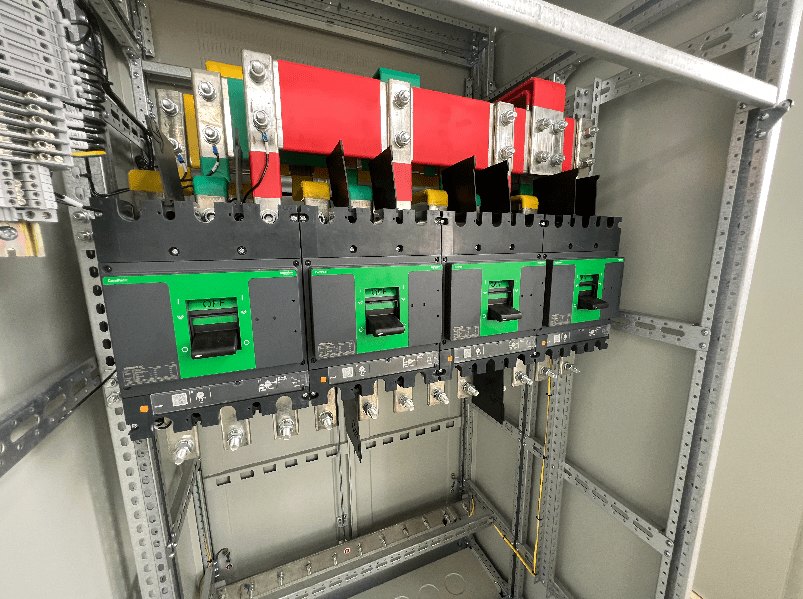
The main circuit breaker sits at the top of the panel. It works as the main switch for all your power. If you turn it off, everything loses power. This breaker stops too much current from flowing. If there is a short or overload, it shuts off power fast. This keeps wires and equipment safe. You can also use it to turn off all power for repairs or emergencies.
Tip: Check the main circuit breaker often for loose parts or old age. These problems are common and can cause bigger trouble if not fixed.
Cause of Failure | Description |
|---|---|
Loose Connections | About 30% of electrical failures happen because of loose connections. Always tighten them properly. |
Moisture Ingress | Water can get inside and cause damage. Inspect your panel often, especially in damp places. |
Component Aging | Old breakers can fail. Replace them before they get too old. |
Busbars
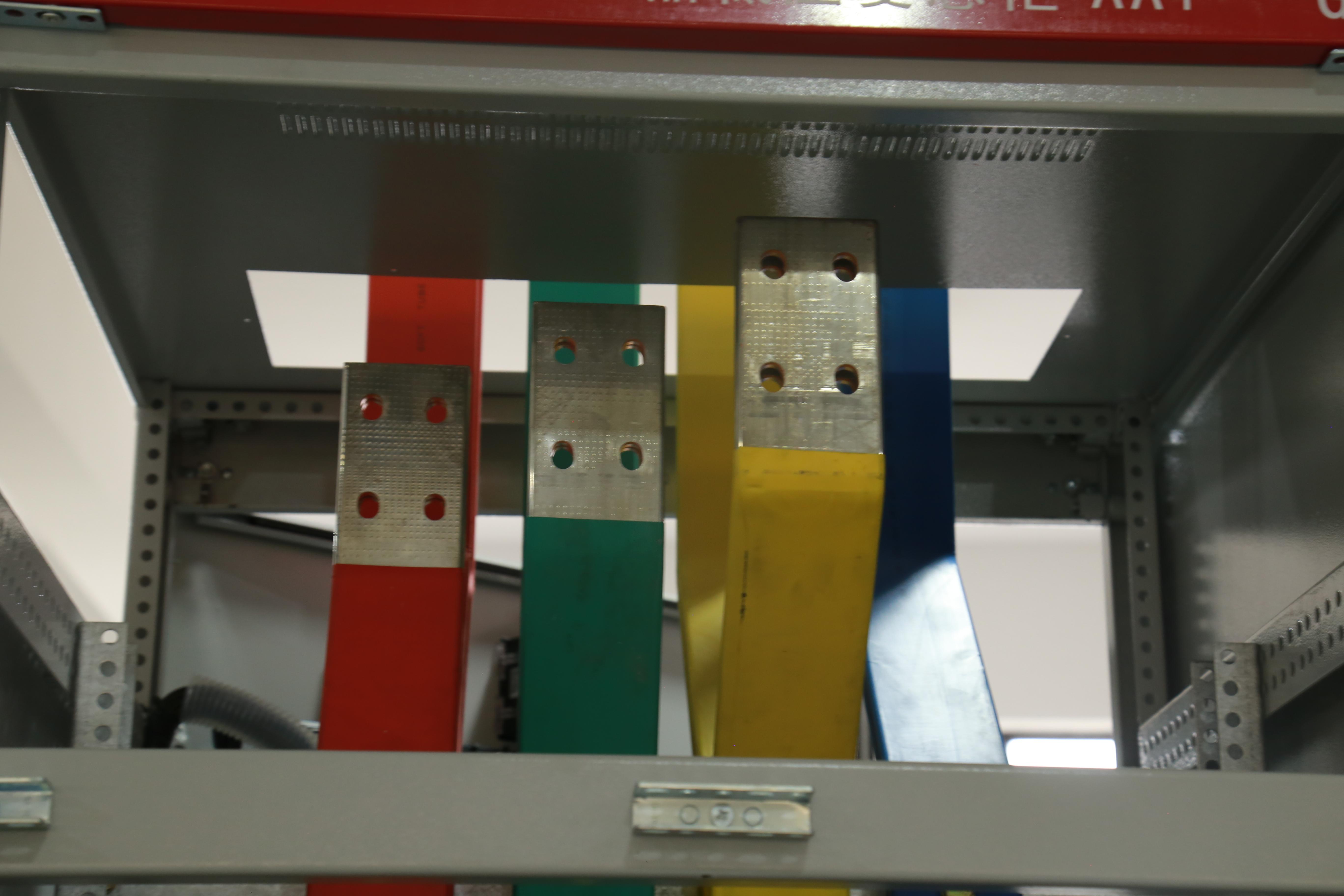
Busbars are thick metal strips inside the panel. They move electricity from the main breaker to smaller breakers. Most busbars are made of copper or aluminum. These metals carry electricity well. Their solid shape lets them handle lots of current with little loss. This means power moves smoothly and saves energy. Busbars also keep the panel neat and safe.
Busbars cut down on extra wires, so short circuits are less likely.
They stop loose connections and electrical problems.
Their closed design makes things safer and helps during repairs.
Busbars must follow safety rules like CSA, UL, and CE. This helps you know your system is safe and works well.
Note: The International Energy Agency says busbars can make power delivery up to 20% better than regular wires. This makes your panel more efficient.
Neutral and Ground Bars
Neutral and ground bars look like metal strips with holes for wires. You put white wires in the neutral bar and green or bare wires in the ground bar. The neutral bar sends current back to the source. It keeps voltage steady and connects to the ground at the main panel. This lowers the chance of electric shock. The ground bar gives a safe path for fault current to go into the earth. This stops metal parts from getting dangerous if something goes wrong.
Feature | Neutral Bar | Grounding Bar |
|---|---|---|
Primary Role | Carries return current during normal use | Carries fault current during problems |
Purpose | Completes the electrical circuit | Provides safety path to ground, prevents shock |
Current Flow | Flows during normal operation | Only flows during faults |
Keeping these bars apart and bonded right stops current from going where it should not. This is important for safety and for protective devices to work right.
Circuit Breakers (MCB, MCCB)
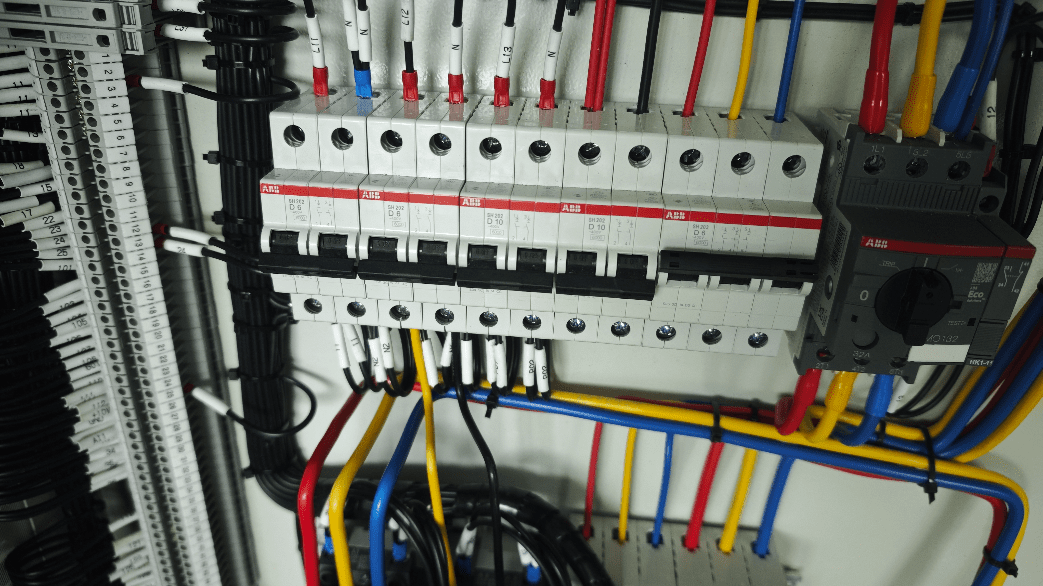
Circuit breakers protect each circuit in the panel. There are two main types: miniature circuit breakers (MCB) and molded case circuit breakers (MCCB). MCBs are best for homes and small offices. They handle lower currents and protect lights and outlets. MCCBs are bigger and stronger. You use them in factories or big buildings with high power needs. MCCBs can stop bigger surges and protect important machines.
Feature | MCBs (Miniature Circuit Breakers) | MCCBs (Molded Case Circuit Breakers) |
|---|---|---|
Application | Homes, small offices | Factories, large buildings |
Current Rating | Up to 63 Amps | Up to 2,500 Amps or more |
Size & Weight | Small and light | Larger, built for heavy use |
Trip Mechanism | Simple thermal-magnetic | Advanced, adjustable trips |
Typical Use | Lights, sockets, small appliances | Main feeders, large machines, critical loads |
Pick the right breaker for your needs. This keeps your system safe and working well.
Residual Current Devices (RCD, RCCB)
Residual current devices, called RCDs or RCCBs, add more safety. These devices check for small changes in current in and out of a circuit. If they find a problem, like electricity leaking to the ground, they turn off power very fast. This quick action can save lives, especially in kitchens and bathrooms where water and electricity mix. You should always use RCDs where people might touch water and power at the same time.
Surge Protection Devices
Surge protection devices (SPDs) protect your equipment from sudden voltage spikes. Spikes can come from lightning, power cuts, or turning big machines on and off. SPDs take in or send away extra voltage before it hurts your electronics. Many experts say SPDs cut down on downtime and equipment failure. In fact, 79% of people in the industry think SPDs help systems run better.
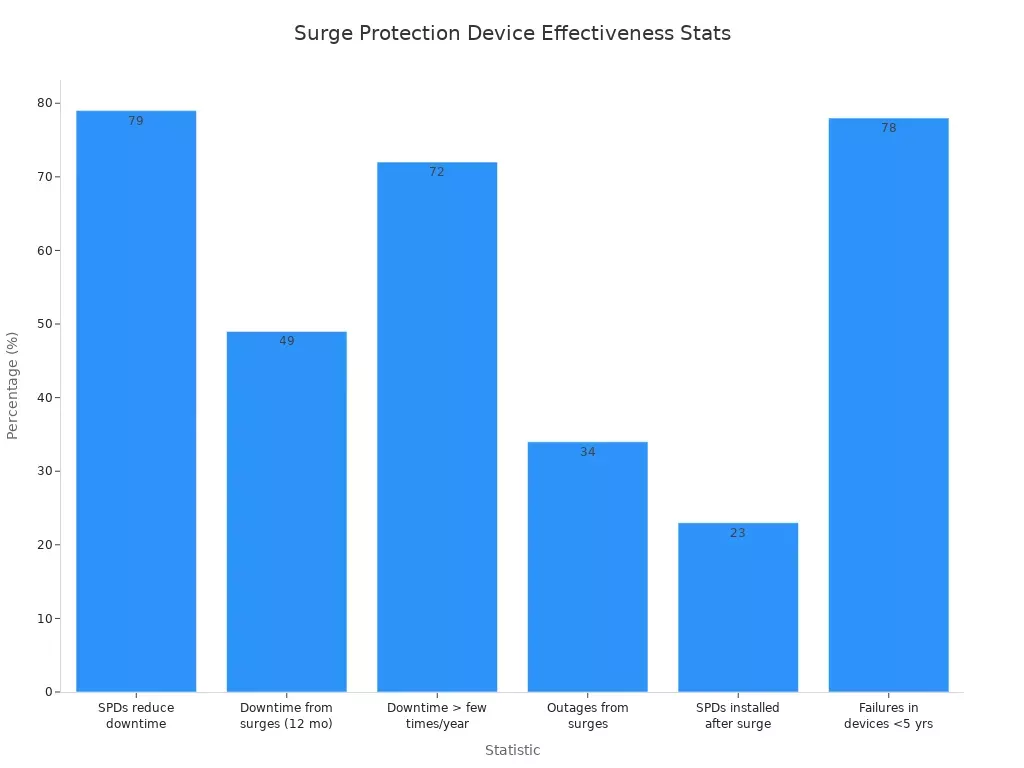
Tip: Adding surge protection to your panel can save money and stop expensive repairs.
Panel Enclosure
The panel enclosure is the outside shell that holds all the parts. It keeps dust, water, and hands away from live wires. Most enclosures are made of strong stuff like stainless steel, carbon steel, aluminum, or fiberglass. Some have special coatings to stop rust or chemicals. A good enclosure protects your equipment and keeps people safe. Always check your enclosure to make sure it is in good shape and fits your space.
Remember: The right enclosure helps your panel work well for many years.
Monitoring and Control Features
Modern distribution panels have features that help you watch your electrical system. These features make it simple to find problems. They also help keep your system safe and working better.
Meters and Indicators
Meters and indicators show you what is happening right now. You can check things like voltage, current, and frequency. You also see power factor and how much energy you use. This helps you know if your system is okay or needs fixing. Meters can show how much power you use. This helps you find ways to save energy. Indicators use lights or screens to tell you if things are normal or not. A green light means all is good. A red light means there is a problem, like too much power. Some panels have digital fault indicators. These show faults, short circuits, or earth faults. These alerts help you act fast and keep things safe.
Indicator Type | Description |
|---|---|
Digital Fault Indicator | Shows fault types and checks load current and temperature. |
Short Circuit and Earth Fault Indicator | Finds faults and sends alarms to people who fix things. |
Cable Fault Indicator | Finds where faults are in the network, so repairs are easier. |
Tip: Meters and indicators help you find problems early and stop bigger issues.
Control Switches and Relays
Control switches and relays let you turn circuits on or off. You can control machines, lights, or other things from one place. Relays use small signals to control bigger things. This makes your system safer and easier to use. They also protect your system by turning off bad parts if there is a short or overload. This keeps people and equipment safe.
Function | Description |
|---|---|
Control | Lets you turn circuits on and off to manage power. |
Protection | Finds problems and turns off bad parts to stop damage. |
Automation | Connects control circuits to bigger systems for easier use. |
Control relay panels help stop too much current by turning off bad parts.
Central control lets you handle many things from one place and keeps things safer.
Current Transformers
Current transformers, or CTs, help you measure big currents safely. They change large currents into smaller ones for meters and relays. This makes it easy to watch your system and spot overloads before they cause trouble.
CTs work with relays to find overloads fast.
Finding problems early helps you stop them from getting worse.
Picking the right CT stops mistakes and keeps your system safe.
Note: Monitoring and control features help you keep your electrical system safe, steady, and easy to use.
Wiring, Terminals, and Compliance
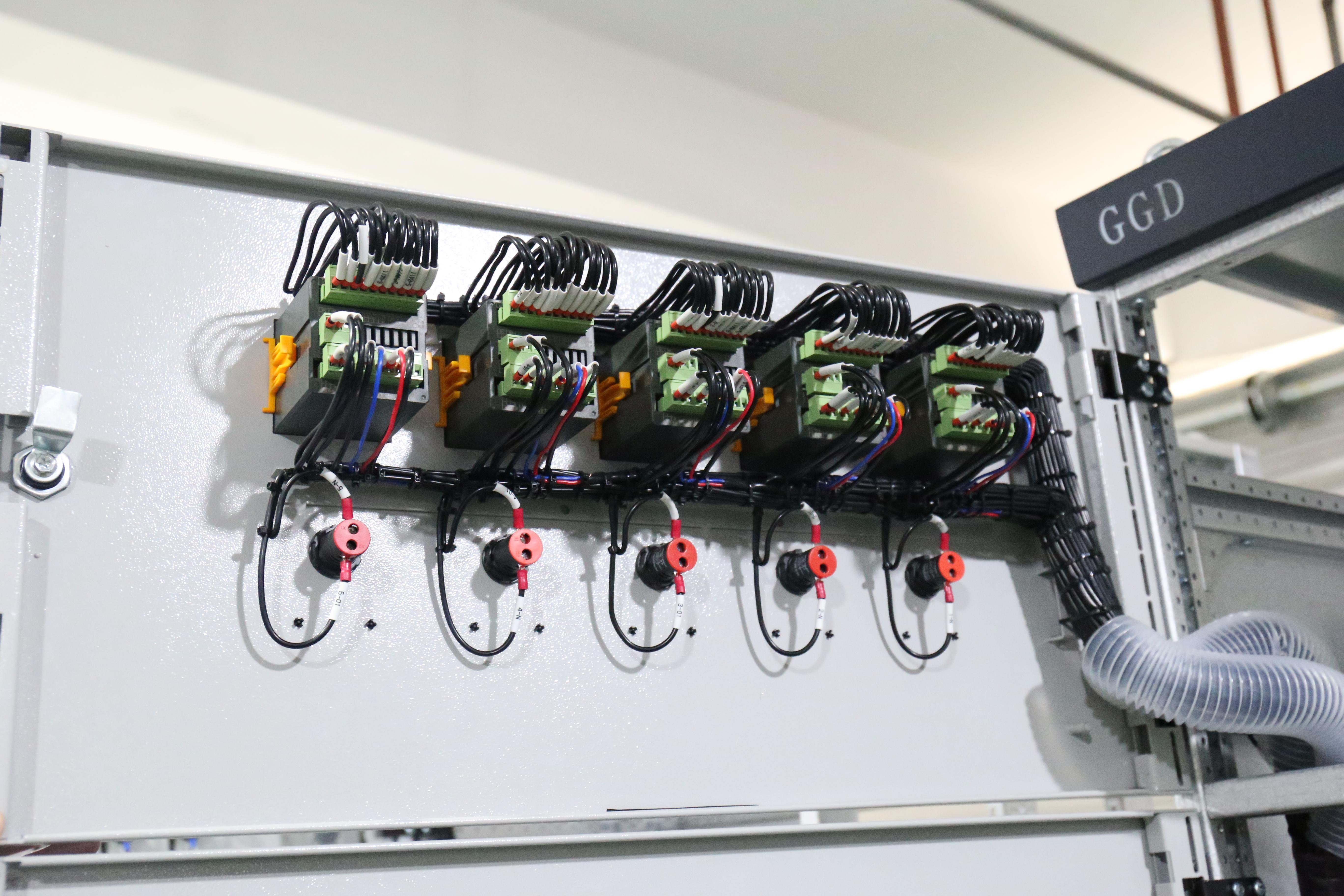
Wiring and Terminal Blocks
You should always use good wiring steps. This keeps your Distribution Panel safe and working well. Wires must fit tight in the terminals. If wires are loose, they can get hot or start fires. Put ferrules on wire ends, especially if things shake a lot. Ferrules hold wire strands together so they do not spread out. If you label wires clearly, you can fix problems faster and make repairs easier.
Use the right tools and ferrules to stop wire strands from fraying.
Make sure every wire is tight and solid in its spot.
Label each wire so you do not get confused when fixing things.
When you put in wires the right way, electricity flows better and wires last longer. This helps your panel work well for a long time.
Compliance Standards
You have to follow safety rules when you put in or upgrade a panel. These rules keep you and your stuff safe. Different places have their own rules. In Europe, IEC 61439-1 and IEC 61439-2 are for low-voltage panels.
Region | Standard/Requirement | Description |
|---|---|---|
Europe | IEC 61439-1 | General rules for low-voltage panels |
IEC 61439-2 | Power switchgear and controlgear assemblies |
If you follow these rules, your system stays safe and you do not break the law.
Maintenance Tips
Checking your panel often keeps it working and stops problems. Look for loose screws, clean the connections, and check for hot spots. Check load ratings so you do not use too much power. Use a plan to remember when to check things.
Tip No. | Maintenance Practice | Purpose | Frequency |
|---|---|---|---|
1 | Regular Inspection | Find wear, corrosion, or damage | Monthly |
2 | Clean Connections | Keep good electrical contact | Quarterly |
3 | Check Tightness of Screws | Stop loose connections and heating | Monthly |
4 | Inspect for Overheating | Spot failure points early | Monthly |
5 | Review Load Ratings | Avoid overloads | Annually |
If you do not check your panel, you could get shocked, have power surges, or pay more money. Bad panels can trip breakers a lot or even start fires. Checking your panel keeps your home, your things, and your family safe.
Tip: If you take care of your panel, your power stays steady and your family stays safe.
You can see how all the parts and panel types work together. They help keep your Distribution Panel safe and working well. When you learn about these components, you help stop dangers. The table below shows how safety features protect people and equipment:
Safety Feature | Contribution to Safety |
|---|---|
Arc Flash Protection | Lowers energy from accidents and makes things safer. |
Ground Fault Protection | Finds problems early and keeps workers safe. |
Lockout/Tagout Provisions | Makes sure repairs are safe by using the right shutdown steps. |
Doing regular maintenance helps stop sudden problems. Checking things before they break means fewer power cuts and longer use for your equipment. Safety checks help find risks and stop downtime. When you know your panel, you keep power steady and your area safe.
FAQ
What is the main job of a distribution panel?
You use a distribution panel to split power safely to different circuits. It protects your home or building from electrical problems. You can control and monitor your power from one place.
How often should you check your distribution panel?
You should check your panel every month. Look for loose wires, dust, or signs of heat. Regular checks help you find problems early and keep your system safe.
Why do you need surge protection in your panel?
Surge protection keeps your devices safe from sudden voltage spikes. These spikes can damage computers, TVs, and other electronics. You save money and avoid repairs by using surge protection.
What is the difference between a circuit breaker and an RCD?
Device | Main Function |
|---|---|
Circuit Breaker | Stops too much current or short circuit |
RCD | Shuts off power if current leaks |
You need both for full safety.