


You help keep RUM and switchgear safe and working well. Doing regular maintenance stops sudden problems and helps your equipment last longer. Cleaning and checking every day lets you find damage or wear early. These steps help you control how your equipment works and stop expensive breakdowns. For example, if you take care of GIS switchgear, it can work for 30 to 40 years. The table below shows how maintenance helps equipment work better:
Evidence Type | Description |
|---|---|
GIS Design Life | Usually lasts 30 to 40 years with good maintenance. |
Monitoring Systems | Help equipment last longer by finding things that make it age faster. |
Reliability Metrics | SAIDI and SAIFI get better when you use full GIS monitoring. |
When you make maintenance a habit, you make things safer and help your rmu work better.
Key Takeaways
Regular maintenance helps RMU and switchgear stay safe. It also helps them work well. Daily checks can find problems early.
Use preventive, predictive, and corrective maintenance to stop breakdowns. This way, your equipment can last longer.
Always wear personal protective equipment (PPE) when you work on switchgear. PPE keeps you safe from electric shocks and other dangers.
Follow a strict maintenance schedule. Check your equipment every day, month, and year. This makes sure everything is in good shape.
Keeping good records of maintenance tasks helps spot patterns. It also helps stop future problems. Write down every check and repair.
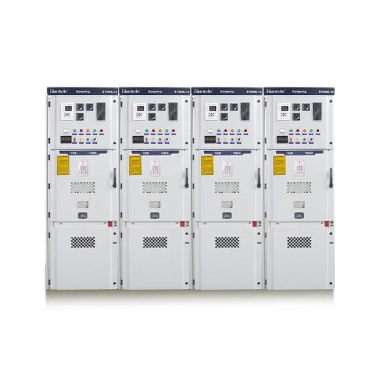
Essential Maintenance for RMU and Switchgear
Daily Cleaning and Visual Inspection
You should clean your medium voltage switchgear every day. Dust and dirt can make it too hot. They also block air from moving. Moisture can hurt the inside parts and cause failures. Always wear personal protective equipment when cleaning. Use tools that are not metal to keep things safe. Make sure the system is off before you start. Follow lockout/tagout steps every time. You can use dry or wet cleaning, but dry all parts before you finish.
Tip: Check for loose connections and worn parts every day. Finding problems early helps you stop bigger issues.
Here is a table with daily cleaning and inspection jobs:
Procedure | Description |
|---|---|
Periodic Inspection and Maintenance | Look for damage and check if covers and connections are tight. |
Cleaning | Take away dust and dirt to stop overheating and help air move. |
Connection Check | Make sure all connections are tight so you do not lose power. |
Look at your equipment at least once a year. Infrared checks help you find hot spots. If you see problems, check more often. Daily care keeps your rmu and switchgear safe and working well.
Essential safety steps for daily cleaning:
Ground the equipment before you start.
Make sure the system is off.
Keep the switchgear away from power.
Use lockout/tagout steps.
Wear the right PPE every time.
Scheduled Maintenance Checks
You need to plan regular checks for your medium voltage switchgear. These checks help you find problems before they get worse. Check every month or every three months to spot damage early. Test how the parts work and look at real-time displays. Oil moving parts every year or as needed. Clean your ring main unit and change old parts when needed.
Here is a table with important parts and how often to check them:
Key Component | Maintenance Interval |
|---|---|
Inspection of the Operating Mechanism | Monthly or Quarterly |
Real-Time Display and Instrumentation Check | Monthly or Quarterly |
Visual Inspections | Monthly or Quarterly |
Functional Testing | At least once a year |
Lubrication and Cleaning | Annually or as recommended |
Component Replacement | As needed based on condition |
Follow this schedule for maintenance:
Check your rmu and switchgear every month or three months.
Test all parts at least once a year.
Oil and clean moving parts every year.
Change any broken or old parts right away.
Studies show that planned maintenance makes your equipment last longer. For example, the time between failures can go from 6.88 days to 9.77 days with good care. This means your equipment works longer without trouble.
Preventive, Predictive, and Corrective Maintenance
You should know the difference between preventive, predictive, and corrective maintenance for your medium voltage switchgear. Preventive maintenance means you do regular work to keep things running and stop surprise failures. Predictive maintenance uses tools to find problems before they happen. You can use sensors and data to watch for warning signs. This helps you fix things before they break. Corrective maintenance is when you fix things after they stop working.
Here is a table that explains each type:
Type of Maintenance | Description |
|---|---|
Preventive Maintenance | Regular work to keep equipment running and stop surprise failures. |
Predictive Maintenance | Uses tools to find problems before they happen and helps you plan when to fix things. |
Corrective Maintenance | Fixes equipment after it breaks so it can work again. |
Predictive maintenance uses special tools and data. You can find electrical problems early and stop system failures. For example, measurement systems with thermocouples let you check your medium voltage switchgear at different temperatures. Learning tools help you find strange temperature changes. Onboard processing helps your system act faster.
Note: Predictive maintenance stops breakdowns and helps you plan fixes. You need to set up ways to watch your ring main unit and set alert levels.
You should use all three types of maintenance to keep your ring main unit and switchgear working well. Preventive maintenance stops problems before they start. Predictive maintenance helps you act early. Corrective maintenance gets your equipment working after a failure. These steps make your medium voltage switchgear safer and more reliable.
Key Safety Procedures in Medium Voltage Switchgear Maintenance
Grounding and Isolation
You must start by grounding and isolating the equipment. Grounding keeps you safe from electric shock. It stops dangerous electric differences. Isolation means you separate switchgear from all energy sources. IEC rules say you need disconnectors and earthing switches. These switches help you ground equipment safely. You do not touch energized parts. Integral grounding switches help you avoid mistakes. They ground current-carrying parts before you remove panels. Following these steps lowers the risk of electrocution and other dangers.
Tip: Always check before touching any part of medium voltage switchgear. This step makes sure the equipment is truly isolated and keeps you safe.
Voltage Verification and Discharging
Voltage verification is very important before you work. You must check that all lines have no energy. Use the right tools to test for zero voltage. Discharging means you remove stored energy from equipment. You can use tests like contact resistance, insulation, and functional tests. These tests make sure the switchgear is safe. These steps help you avoid arc flash and shock risks.
Procedure Type | Description |
|---|---|
Voltage Verification | Check for zero energy before starting work. |
Functional Test | Make sure the circuit breaker works by doing a test trip. |
Contact Resistance Test | Measure resistance to confirm safe connections. |
AC Insulation Test | Check separation between open contacts and ground. |
Tagging and Lockout/Tagout
Lockout and tag steps protect you during maintenance. You must isolate the equipment and use locks and tags for each person. Always tell everyone about the schedule and equipment. Shut down and disconnect all energy sources. Check for stored energy in capacitors and hydraulic systems. Look and test to confirm isolation. OSHA made these steps to stop injuries from surprise energization. Studies show lockout/tagout works only if you follow every step. Good compliance lowers injuries and keeps you safe.
Alert: Never skip lockout and tag steps. Doing every step is the best way to stop accidents.
Personal Protective Equipment (PPE)
Personal protective equipment is needed for switchgear maintenance. You need flame-resistant clothes, hoods, smocks, gloves, eye protection, and a hard hat. PPE protects you from arc flash and heat dangers. If circuit protection fails, PPE lowers injury rates and keeps you safe. Always wear the right gear for every job. Industry rules say you must use PPE for all switchgear work.
Flame resistant clothing
Hood and smock
Hand and eye protection
Hard hat
Note: PPE works best when you use it with good steps and regular checks.
Safety Steps Table
Safety Step | Description |
|---|---|
De-energize and Lockout/Tagout (LOTO) | Isolate equipment and follow strict steps to stop accidental re-energization. |
Establish an Electrically Safe Work Condition | Test all lines for zero energy. |
Use Proper PPE | Wear arc flash PPE as required by rules. |
Follow Facility Procedures | Follow all site safety rules. |
Use Remote Racking Equipment | Remove and insert breakers safely beyond the arc-flash boundary. |
When you follow these safety steps, you protect yourself and your team. You lower risks, stop accidents, and keep medium voltage switchgear working well.
Routine Maintenance Tasks for Ring Main Unit
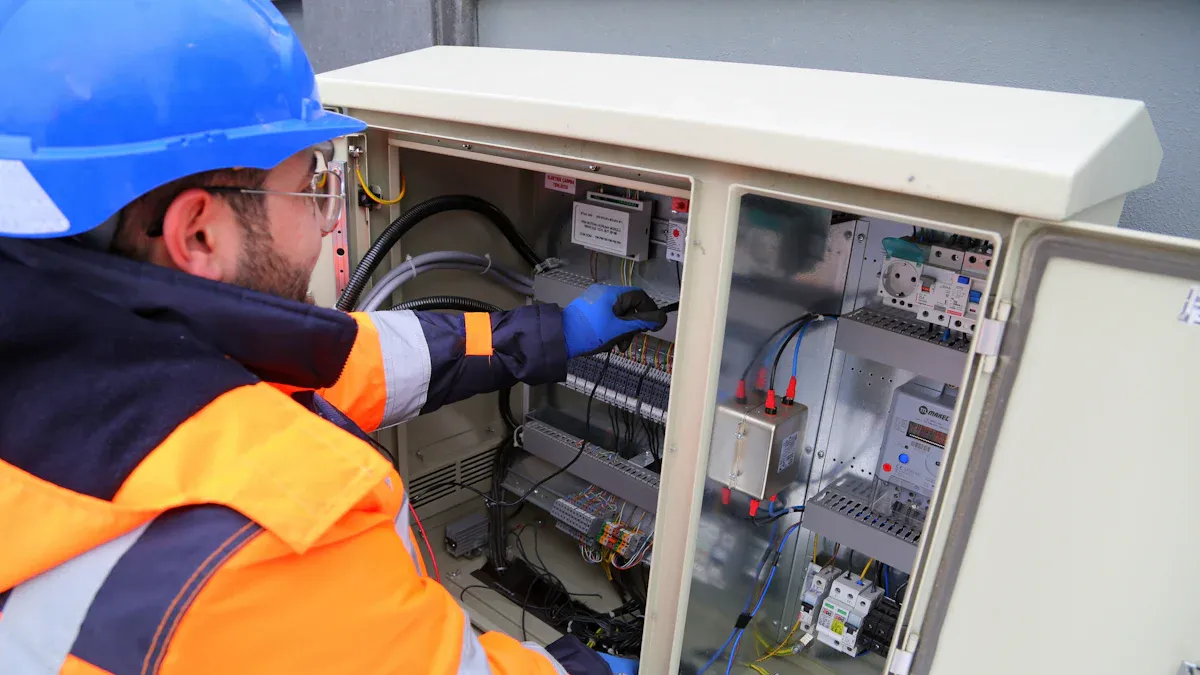
Cleaning Internal Components
It is important to keep the inside of your ring main unit clean. Dust and stains can hurt electrical parts and make them work less well. Use a soft cloth or special cleaner to wipe away dirt from all surfaces. Clean both the outside and inside of the rmu. This helps stop future problems and keeps your equipment safe. Always follow isolation and grounding steps before you clean. Doing this keeps you and your rmu safe.
Tip: Clean often so dust does not build up. This stops overheating and insulation problems.
Inspecting and Replacing Worn Parts
You should check your rmu often. Look for damage, wear, or loose connections. Make sure grounding points work and labels are right. Use contact resistance tests for each phase to check connections. Test insulation resistance to keep high-voltage parts safe. Check protection relay settings with fault tests. Write down what you find and compare with the manufacturer’s rules. If you see worn or broken parts, change them right away. Always use isolation and grounding before touching anything.
Here are the steps for checking and changing parts:
Look for damage and wear.
Test contact resistance for each phase.
Test insulation resistance for safety.
Check protection relay settings.
Write down all results.
Use isolation and grounding before work.
Make a report with your advice.
Lubrication and Mechanical Checks
You need to oil moving parts in your rmu to lower friction and wear. Put lubricant on contact surfaces once a year. Do not use too much. Clean switch surfaces and inside parts to get rid of dust and dirt. If you see sliders sticking or bad contact, fix these fast. Always check moving parts to make sure they work smoothly. Use isolation and grounding before you do any checks.
Clean switch surfaces and inside parts.
Oil contact surfaces every year.
Fix problems like sticking or bad contact.
Check for insulation problems.
Record-Keeping and Documentation
You should keep good records of all rmu maintenance work. Write down every check, test, and repair. Watch gas pressure changes in your ring main unit. Good records help you see patterns and find problems that happen again. You can spot trouble early and stop big breakdowns. Keeping records also helps you follow safety rules.
Write down every check and test.
Watch how equipment changes over time.
Record gas pressure changes.
Use records to find and fix problems early.
Type of Equipment | Maintenance Requirements |
|---|---|
Switchgear | Needs regular checks, cleaning, and testing. |
Ring Main Unit | Needs less maintenance because it is sealed. This saves money and time. |
Note: Doing regular maintenance and keeping good records helps your rmu last longer and work better.
Troubleshooting Common Issues in RMU and Switchgear
Identifying Faults and Early Warning Signs
It is important to find problems early in rmu and switchgear. This helps keep your system safe. Many faults show signs before they get worse. Watch for strange sounds, lights that flicker, or a burning smell. These signs can mean something is wrong inside your medium voltage switchgear. You should also look for loose parts or worn spots. Here is a table with common faults and what they mean:
Fault Description | Details |
|---|---|
Loss of vacuum degree and arc extinguishing ability | This can lower performance and cause failures. |
Serious wear of the switch contact | You can see this by checking the backbar length. |
Poor contact of the conductive belt | Loose bolts and high resistance cause this. |
Loose return spring | This can stop the switch from working right. |
Falling off of shaft pins | This is a common mechanical problem. |
You might also see problems like voltage not being even, too much current, or the grid not being steady. These issues can make things too hot, break equipment, or cause blackouts. If you see any of these signs, start fixing the problem right away.
Addressing Overheating and Insulation Problems
Overheating is a big danger in medium voltage switchgear. You can use infrared tools to find hot spots. Run your equipment at 40% load to check for hidden heat. Compare the temperature of each phase in three-phase systems. If you find a hot spot, tighten loose connections and check for overload.
For insulation problems, look for cracks, burns, or swelling. Use a megohmmeter to test insulation for at least 60 seconds. Listen for odd sounds that could mean partial discharge. You can also use other tests like Dielectric Absorption Ratio and Polarization Index for deeper checks. Very Low Frequency testing helps protect insulation from damage.
Tip: Always follow your maintenance schedule and keep air paths open. This helps stop overheating and keeps your medium voltage switchgear safe.
Managing Contact Wear and Corrosion
Contact wear and corrosion can make rmu fail. Check contacts every time you do medium voltage switchgear maintenance. Look for pitting, color changes, or rough spots. Clean contacts with the right tools and replace them if they are badly worn. Use preventive maintenance to stop corrosion before it starts. Put approved lubricants on moving parts and keep the area dry. If you find corrosion, clean it off and check for damage.
Moisture Ingress Prevention
Moisture can get into your rmu and cause insulation trouble or rust. Always check seals and gaskets for damage. Make sure all covers fit tight. Use heaters or dehumidifiers in places with lots of moisture. During mv switchgear maintenance, look for water stains or wet spots. If you find moisture, dry the area and fix the problem. Good isolation and regular checks help keep moisture from causing trouble.
Alert: Moisture makes electrocution and equipment failure more likely. Always follow isolation steps and wear safety gear when working on mv switchgear.
You can stop many problems in ring main unit and medium voltage switchgear by doing preventive maintenance, following safety rules, and acting fast when you see warning signs. Fixing mv switchgear problems quickly keeps your system safe and working well.
Real-World Impact of Maintenance Practices
Consequences of Poor Maintenance
If you do not do regular maintenance, your switchgear can stop working suddenly. This can cause more blackouts and cost more to fix. Not taking care of your equipment can make it get too hot or damage the insulation. Worn contacts can also be a problem. These issues can start fires or even cause electric shocks. Skipping medium voltage switchgear maintenance means you might lose control of your system. Your equipment could break more often and take longer to fix. Some companies have lost money and time because they did not check their switchgear enough.
Common problems from poor maintenance:
Equipment fails more often
Accidents and injuries are more likely
More energy is wasted
Equipment does not last as long
:warning: Always do your maintenance on time to keep your medium voltage switchgear safe and working well.
Success Stories in Medium Voltage Switchgear Maintenance
Good maintenance has helped many companies. They have made their equipment safer and saved money by caring for their switchgear. Here are some real examples that show how medium voltage switchgear maintenance helps:
Case Study Description | Benefits Observed |
|---|---|
Utility upgrading 4kV underground distribution system | Lower costs, remote control, better crew safety, fewer outages, works with SCADA systems |
Manufacturing facility upgrade to modern MV switchgear | 25% less energy loss, lower costs, better safety, 40% fewer equipment failures |
Utility modernization program with MV switchgear | Better load control, three times more savings from less maintenance and better performance |
These examples show that spending time on medium voltage switchgear maintenance makes things safer and work better. You also have less chance of equipment breaking. Good maintenance stops expensive repairs and keeps your switchgear working well.
If you take care of your rmu and switchgear often, they will last longer and work better. Doing daily checks helps you find problems early and keeps everyone safe. Look at your schedule and training to make sure they are good. Use preventive and predictive steps so you do not have to pay for big repairs. Good habits keep your equipment safe and help stop accidents.
FAQ
What is the main purpose of regular maintenance for RMU and switchgear?
You keep your equipment safe and reliable with regular maintenance. This helps you find problems early. You can prevent failures and make your rmu and switchgear last longer.
How often should you inspect medium voltage switchgear?
You should inspect your switchgear every day for dust and damage. Plan deeper checks every month or three months. Test all parts at least once a year.
What safety gear do you need for switchgear maintenance?
You need flame-resistant clothing, gloves, a hard hat, and eye protection. Always wear the right gear before you start any maintenance work.
How do you spot early warning signs of equipment failure?
You can listen for strange sounds, look for flickering lights, or notice a burning smell. These signs show you that something may be wrong inside your equipment.
Can you use water to clean inside the RMU?
You should not use water inside the RMU. Use a dry cloth or special cleaner. Make sure all parts are dry before you finish cleaning.