


Motor Control Center maintenance works best when the MCC checklist distinguishes routine observations, planned shutdown work, and event-driven inspections.
Use the equipment's condition and service instructions to decide what happens next.
Organise the Checklist Around Access and Operating State
A Motor Control Center inspection checklist should tell technicians when they can perform each task. Mixing external observations with internal tests makes work planning harder and can obscure isolation requirements.
Begin with the assembly manual, component instructions, approved drawings, and previous service records. Confirm which equipment the work covers, including separate control supplies and possible backfeeds.
Assign each task to an appropriate access condition. External observation, controlled measurement, isolated inspection, and functional testing need different preparations.
The checklist also needs an outcome beyond a tick. Record the finding, its significance, the required action, and the person responsible for closing it.
Work category | Useful evidence | Typical next decision |
|---|---|---|
Routine operating observation | Alarms, load trends, external condition | Continue monitoring or plan investigation |
Planned isolated inspection | Wear, contamination, connection condition | Clean, repair, replace, or test |
Diagnostic measurement | Temperatures, currents, test results | Compare with limits and previous records |
Event-driven review | Trip history, damage, environmental exposure | Determine whether return to service is acceptable |
This arrangement keeps the maintenance plan practical. It also prevents a normal operating observation from implying that an internal inspection has occurred.
During Routine Rounds: Notice Changes Early
Operators can record useful evidence without turning every round into intrusive maintenance. Observe accessible indicators, alarms, ventilation openings, and the surrounding environment under the site's approved procedure.
Look for blocked air paths, water ingress, unusual noise, or changes in equipment behaviour. Compare current readings with the normal process state rather than an unexplained historical average.
A warmer room or longer production shift can alter the assembly's duty. Record those changes because they may explain a developing temperature trend.
The operating log should capture concise observations:
Identify the section, feeder, and equipment involved.
Record the time and current production condition.
Describe the change without guessing its cause.
Note alarms, trips, and recent load additions.
Assign a follow-up action and review date.
For example, repeated ventilation alarms deserve investigation even if the motors continue running. Waiting for a shutdown trip can turn an observable cooling problem into a larger service interruption.
Thermal imaging can support condition monitoring when the assessment permits it. Qualified personnel must use suitable access, procedures, and equipment for the actual electrical hazards.
A thermal image needs operating context to support comparison. Record load current, ambient conditions, measurement location, and the method used. Different viewing angles or surface properties can affect apparent temperatures.
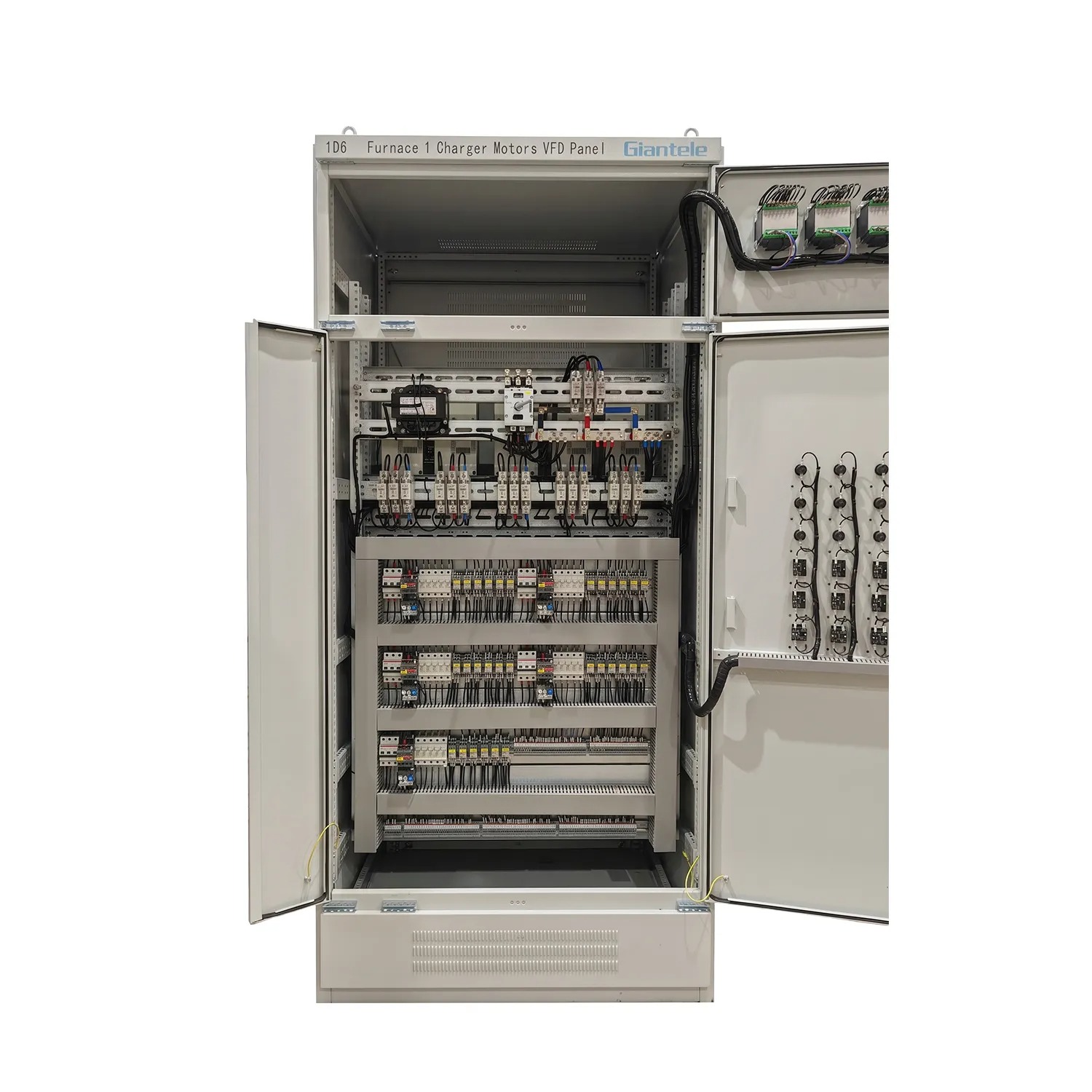
At the Planned Shutdown: Inspect What Operation Cannot Reveal
Establish Safe Access Before Internal Work
Identify every energy source before opening the work area. Apply the approved isolation, locking, verification, and stored-energy procedures for the assembly and connected equipment.
A stopped motor does not prove that its starter compartment is electrically isolated. Separate control power, auxiliary circuits, and remote commands may remain relevant.
Define the work boundary clearly when adjacent sections remain energised. Follow the assembly instructions and the site's assessment for that arrangement.
Inspect Condition Before Disturbing Components
Check accessible insulation, conductors, supports, shutters, and barriers for deterioration. Look for heat discolouration, contamination, corrosion, damaged seals, and evidence of moisture.
Photograph significant findings before cleaning or replacing parts. Their location and pattern can help identify the underlying cause.
Inspect withdrawable mechanisms according to the equipment instructions. Check alignment, position indication, interlocks, and contact condition where the maintenance procedure requires access.
Do not force a stiff mechanism or bypass an interlock. Investigate the cause and follow the specified repair process.
Service Connections and Moving Parts as Specified
Use the manufacturer's instructions for cleaning, lubrication, contact care, and connection checks. An unfamiliar cleaning agent can damage insulation or remove required contact treatments.
Avoid applying blanket retightening to every connection. Some designs use connections that do not require routine retorquing, while others specify particular checks.
Where tightening is required, use the correct method and specified torque. Record replaced hardware and any component whose condition falls outside the manufacturer's acceptance criteria.
Note: A maintenance checklist must follow the actual assembly instructions; another manufacturer's service values are not interchangeable.
Choose Tests That Answer a Specific Question
Testing should establish something useful about the equipment's condition or function. Decide what each test will confirm before selecting the instrument and procedure.
An insulation-resistance test can investigate insulation condition within its defined scope. However, connected electronics, drives, surge devices, and control equipment can affect the method or require disconnection.
Do not apply one test voltage across every circuit without checking the instructions. Define the test boundary, protect sensitive components, and restore all required connections afterwards.
Protection testing should match the installed devices and approved maintenance plan. Record device identity, settings, test method, results, and the applicable acceptance basis.
Functional checks can confirm commands, indications, interlocks, and trip responses. Plan these tests around connected machinery because a control action can start equipment or change a process state.
Question | Evidence to consider | Important qualification |
|---|---|---|
Has insulation condition changed? | Suitable insulation measurements and trends | Define disconnected equipment and test conditions |
Does the protection respond correctly? | Applicable relay or trip-unit testing | Use the installed settings and correct procedure |
Does the drawer operate correctly? | Mechanical and interlock checks | Follow the assembly's position and access instructions |
Can controls perform the intended sequence? | Planned functional tests | Control machinery movement and process consequences |
A passing result only covers the tested condition. It does not establish that every untested component or operating mode remains acceptable.
Set Service Intervals from Duty, Condition, and Consequence
Start with the manufacturer's maintenance recommendations and component service requirements. Then consider the installation environment, switching frequency, loading, and consequence of failure.
Calendar time alone cannot describe equipment wear. A lightly used standby feeder and a frequently switched process starter may need different attention.
Use the following interval framework when building the site plan. It establishes review triggers without imposing a universal monthly or annual schedule.
Activity | Interval basis | Reasons to review sooner |
|---|---|---|
Operating observations | Site operating-round schedule | New alarms, noise, heat, or changing load |
Condition measurements | Manufacturer guidance and trend history | Rising temperature or unexplained current changes |
Isolated internal service | Equipment instructions and planned outages | Contamination, wear, or environmental damage |
Switching-device maintenance | Operating count, duty, and instructions | Heavy switching or fault interruption |
Protection and control tests | Approved testing plan | Device replacement, setting changes, or abnormal response |
Review the interval after each service rather than copying the previous date automatically. Repeated deterioration may justify earlier attention or a change to the operating conditions.
Stable results do not automatically authorise extending a required interval. Any extension needs a documented engineering decision consistent with equipment instructions and applicable requirements.
Event-Driven Maintenance Checks: Reassess Before Restarting
A significant fault, flood, condensation event, or overheating incident can change the maintenance priority immediately. The normal calendar should not delay that review.
Preserve event logs and record the operating state. Identify which devices operated and whether the event affected nearby sections or shared supplies.
Do not assume resetting the protective device completes the investigation. Check the fault cause, the interrupted duty, and the manufacturer's inspection or replacement requirements.
After repairs, close the maintenance record with evidence. List the completed checks, restored settings, remaining restrictions, and authorisation for return to service.
Keep maintenance records after faults with the equipment history. Finally, update circuit drawings and spare-parts records where necessary. The next technician should find documentation matching the equipment now installed.
Conclusion
Separate observation, isolated service, and event-driven checks, then choose tests and intervals from the equipment's actual duty.
Discuss Motor Control Center documentation and service access requirements with Giantele when planning a new assembly or replacement.
FAQ
Q: Does every Motor Control Center need the same annual service?
A: Motor Control Center service intervals depend on equipment instructions, operating duty, environment, and condition. A universal annual checklist cannot address every installation.
Q: Should Motor Control Center maintenance include automatic connection retightening?
A: Motor Control Center maintenance should follow the specified connection procedure. Blanket retightening can conflict with the design and does not replace condition assessment.
Q: Can thermal imaging replace isolated inspection?
A: Thermal imaging shows temperature evidence under particular operating conditions. Isolated inspection can reveal mechanical wear, contamination, and other conditions that imaging cannot establish.
Q: What should a maintenance record contain after a fault?
A: The maintenance record should identify the event, findings, repairs, tests, and return-to-service decision. Retain changed settings and any remaining operating restrictions.