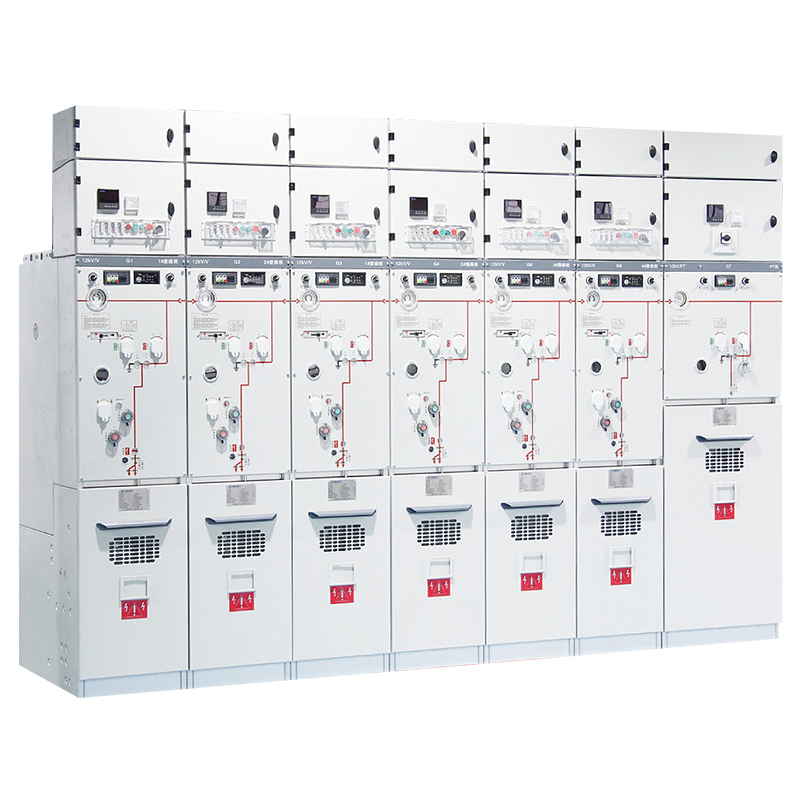
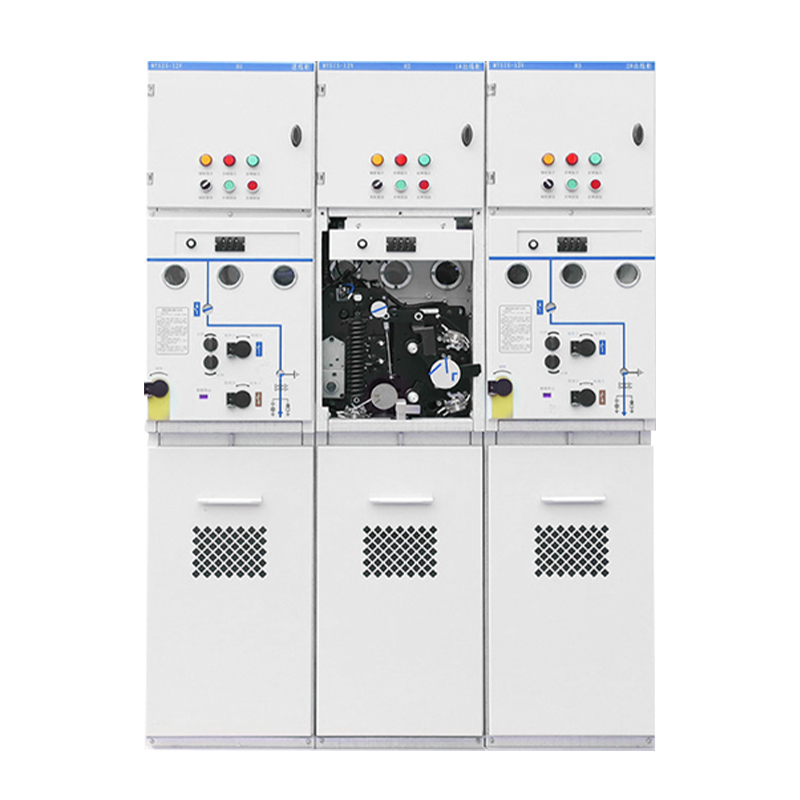
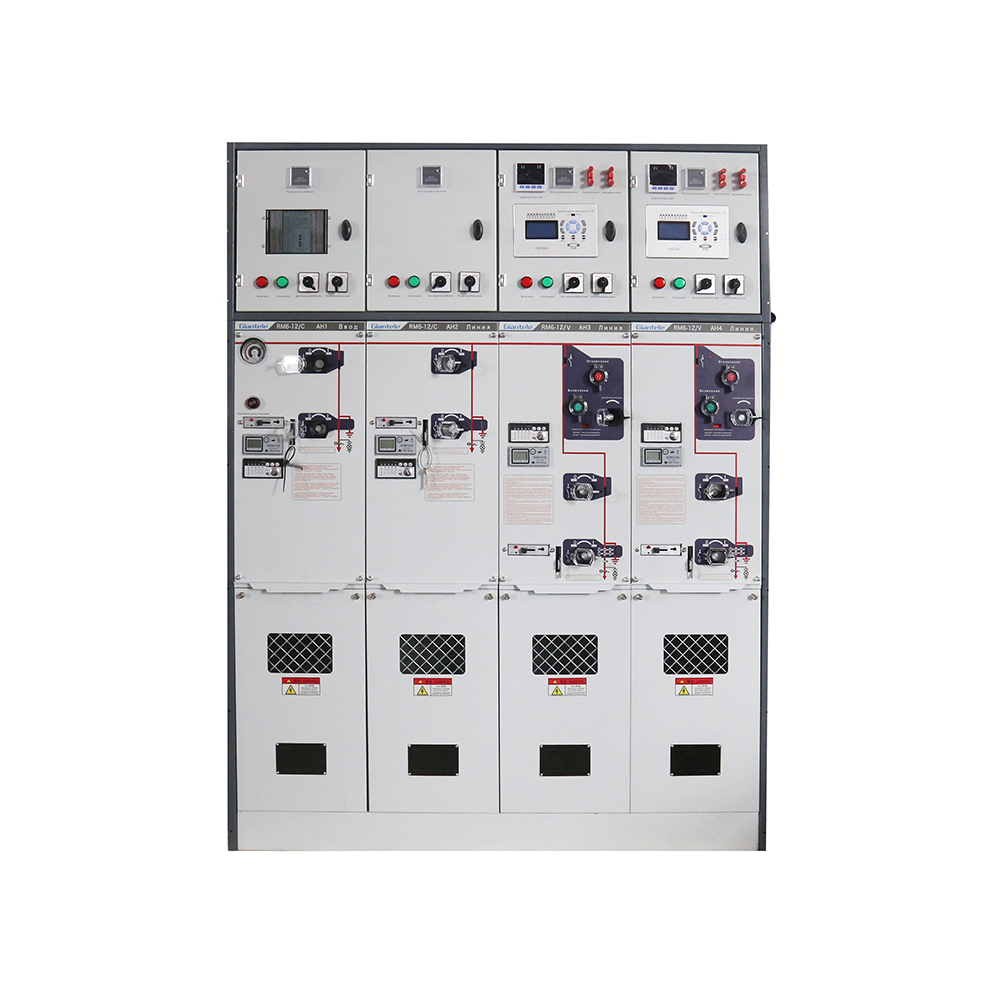
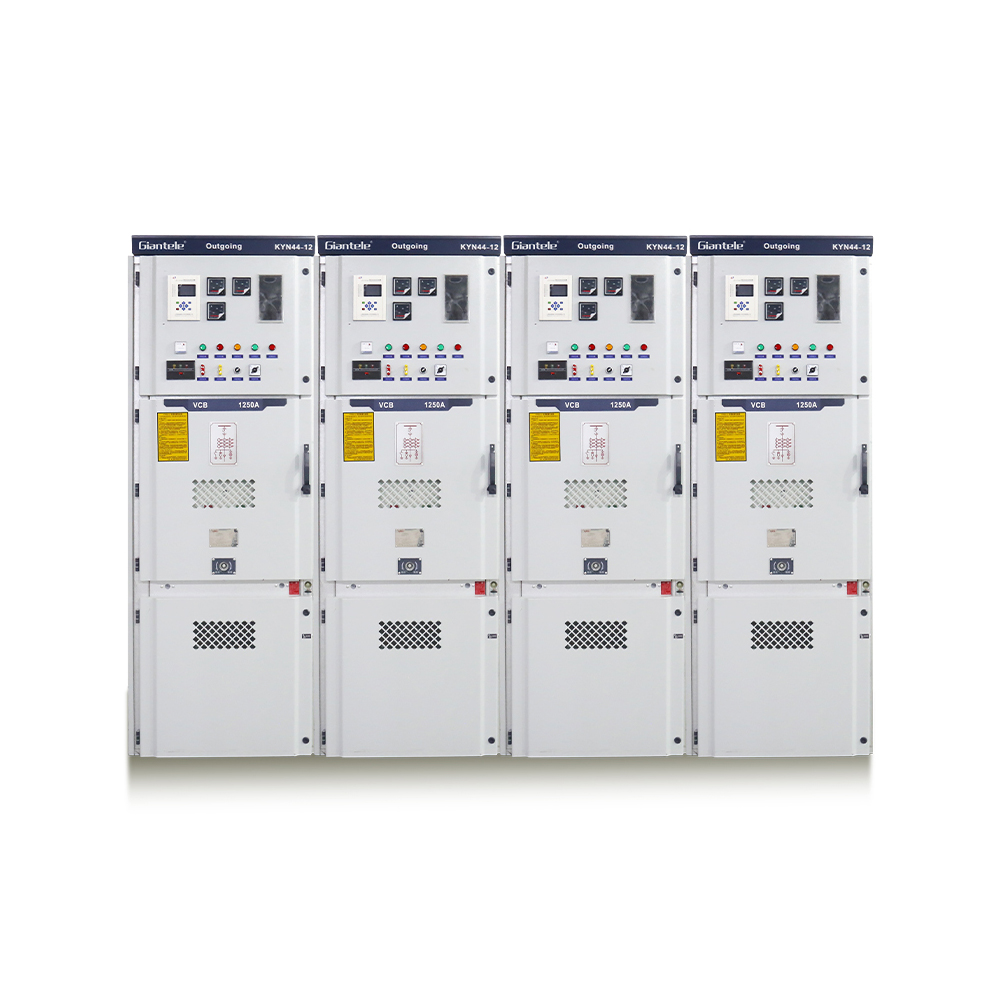
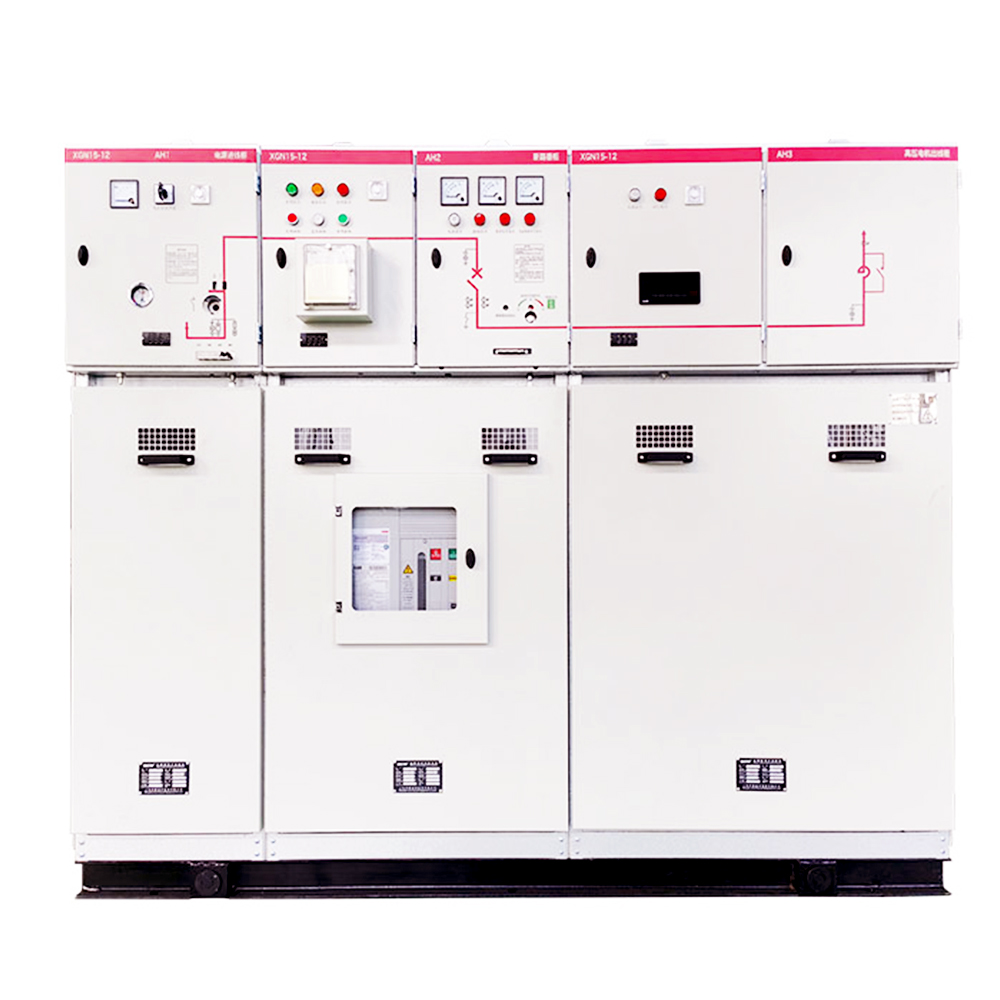
Here is the thing about commercial power distribution. You face a choice between fixed LV switchgear and its withdrawable switchgear alternative. Fixed low voltage switchgear gives you the same IEC 61439-2 reliability at 30 to 40 percent lower cost. For most buildings, the withdrawal feature you pay for never gets used.
What you actually pay for fixed LV switchgear
Most commercial buildings never touch the hot-swap feature. Hotels, offices, malls — they run for years without swapping breakers. Yet you pay 30 to 40 percent extra for withdrawable panels. That is a lot of money for something that gathers dust.
A GGD switchgear panel at 2500A costs far less than an equivalent withdrawable MNS. Across 20 or 30 panels, the savings hit tens of thousands of dollars. Spend that on better metering or relays instead.
A GGD fixed panel also saves floor space. 600mm cabinet width versus 800mm for withdrawable. In a 30-panel lineup, you claw back 6 meters of electrical room. That matters when every square meter costs money.
Fixed low voltage switchgear uses a permanent busbar connection. You lose hot-swap but gain a simpler, cheaper, more compact cabinet. For secondary distribution, that is a trade worth making.
Installation speed favors GGD switchgear
Fixed panels bolt straight to the busbar. Withdrawable units need drawer contacts aligned just right. Your team commissions a GGD switchgear lineup in 2 to 3 days. Withdrawable? 4 to 6 days. Easy choice.
On tight construction schedules, those saved days mean no penalty clauses. Any competent electrical contractor installs fixed panels with standard tools. No special training. No alignment jigs.
Commissioning also goes faster per panel. No drawer contacts to verify. No isolating shutters to test. No secondary couplers to align. Just bolt, torque, and test. You are done by Thursday.
Fixed vs withdrawable switchgear side by side
Here is where each type wins. Use this to justify your spec to the project owner.
| Dimension | Fixed (GGD / GCK) | Withdrawable (MNS / GCS) |
|---|
| Unit cost per panel | 30 to 40 percent lower | Premium pricing |
| Installation time | 2 to 3 days | 4 to 6 days |
| Maintenance skill | Standard electrician | Specialist technician |
| Floor space per panel | 600 to 800 mm | 800 to 1000 mm |
| Hot-swap capability | Not available | Available but rarely needed |
The numbers tell the story. Fixed vs withdrawable switchgear decisions almost always land on fixed for commercial buildings. You give up hot-swap. You gain cost, speed, and space. That math works for most projects.
IEC 61439-2 type-tested switchgear performs equally
Both fixed and withdrawable panels meet the same IEC 61439-2 switchgear standard. Busbar design, short-circuit withstand, IP rating — none of these depend on breaker mounting style. A type-tested switchgear panel runs 20 years or more with routine inspection.
Do not let anyone tell you withdrawable panels are safer. The standard tests both types the same way. What matters is whether the panel passed testing at an accredited lab. Not whether breakers slide out.
Ask for the type-test certificate before you order. It should list short-circuit withstand, peak withstand, and temperature rise. If the supplier cannot produce it, walk away. Panel type does not matter at that point.
Where to deploy LV switchgear panels
- Commercial buildings: main and sub-distribution for malls, offices, and hotels
- Residential complexes: secondary distribution from transformer to floors
- Light industry: motor control and power factor correction in factories
- Infrastructure: pumping stations, water treatment, and small substations
- Healthcare: secondary distribution where reliability is non-negotiable
An LV switchgear panel handles anything up to 3150A. Pick a low voltage switchgear panel with IP54 if the room has dust or moisture.
For commercial buildings, fixed panels do main distribution from the transformer and sub-distribution to floors. For light industry, they handle motor feeders and power factor correction. The common thread: continuous duty, no frequent breaker swaps.
Match the panel to where it lives. Coastal site? Powder-coated steel. Humid basement? Anti-condensation heaters. Your supplier should configure each panel for its spot, not ship the same spec to every location.
Picking the right GGD switchgear supplier
Not every factory that builds switchgear builds it well. Look for IEC 61439-2 type-test reports, ISO 9001 certification, and actual export experience. A supplier with 50-plus country shipments knows how to handle compliance paperwork without panicking.
Ask about capacity and lead times. A 20,000 square meter factory with 200 people should deliver standard GGD switchgear in 4 to 6 weeks. If the quote takes 3 weeks to prepare, the production will be slower.
Ask for project references. A good supplier shares past project photos, single-line diagrams, and test reports. If they hesitate, that tells you something.
Frequently asked questions
Is fixed LV switchgear safe for commercial buildings?
Yep. Fixed and withdrawable panels pass the same IEC 61439-2 type tests. Short-circuit withstand, dielectric, temperature rise — identical. Safety is about correct installation and maintenance, not whether the breaker bolts in or slides out.
Can I add more breakers later?
You can swap breakers and add relays. But you cannot turn a fixed panel into withdrawable without replacing the whole cabinet. So plan ahead. Size the busbar for what you might need in 5 years, not just today. A little headroom costs almost nothing now. Retrofitting costs plenty.
How fast can I get GGD switchgear?
Standard GGD configs ship in 4 to 6 weeks from our factory. Custom voltages or odd dimensions add 2 to 3 weeks. We keep buffer stock for the common ratings — 400A to 2500A.
Does fixed switchgear need specialist maintenance?
Nope. A regular electrician can handle it. Annual check: torque the busbar bolts, test contact resistance, scan with a thermal camera. That is about it. No special tools, no factory training, no drama.
GGD or GCK — which one do I need?
GGD is the standard cabinet for main distribution. GCK is narrower — fits tight electrical rooms. Both meet IEC 61439-2. Use GGD for the main board, GCK for the floors. Simple.
Final thoughts
Fixed LV switchgear gives you IEC 61439-2 compliance and 20-year reliability at 30 to 40 percent less than withdrawable panels. For most commercial projects, fixed is the smarter buy. Get in touch for a technical proposal. We reply within 48 hours.
External links