English


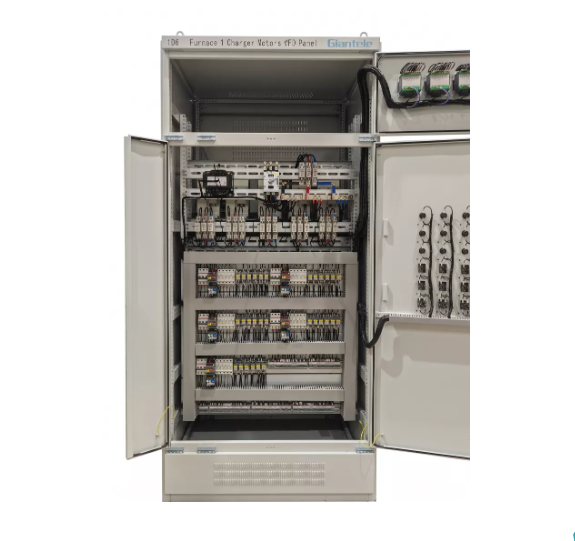
Distribution panel systems play an important role in modern electrical distribution networks. A distribution panel, also called a power distribution board or electrical panel, helps distribute electrical power safely and efficiently.
Many people confuse a main panel with a distribution panel because both manage electrical power. However, their functions, structures, and applications are different.
This guide explains the key differences between main panels and distribution panels. It also covers panel components, IEC standards, safety requirements, and selection tips for industrial and commercial projects.
A main panel receives incoming electrical power from the utility source.
It controls the primary power supply and distributes electricity to sub-panels or branch circuits. Main panels usually include the main circuit breaker and metering devices.
A distribution panel distributes electrical power to different electrical loads.
It protects branch circuits and supports safe electrical operation inside buildings, factories, and infrastructure projects.
Many people also call it a power distribution board or electrical distribution board.
The main panel manages the entire electrical system.
The distribution panel manages local circuit distribution and protection. It also improves electrical organization and operational flexibility.
Main panels and distribution panels operate together inside electrical systems.
The main panel receives incoming power, while distribution panels supply electricity to lighting, motors, machinery, and equipment.
This structure improves safety and simplifies maintenance work.
The main panel controls the primary incoming power source.
The distribution panel distributes power to secondary circuits and electrical loads.
Both panels support electrical distribution, but their operational responsibilities are different.
Main panels usually install near the utility connection point.
Distribution panels install closer to local electrical loads because they reduce cable length and improve power management.
Main panels handle larger electrical loads and higher incoming current.
Distribution panels handle smaller branch circuits and local electrical equipment.
Main panels include the primary disconnect and overall protection functions.
Distribution panels provide branch circuit protection and local electrical control.
Modern electrical panels may also include monitoring systems and smart protection devices.
Main panels often use larger cabinet structures.
Distribution panel systems usually offer compact designs because they serve localized electrical distribution applications.
Compact electrical panels simplify installation in limited spaces.
Distribution panels support easier expansion and maintenance.
Operators can add new circuits without affecting the entire electrical system. This flexibility benefits industrial and commercial facilities.
Main panels commonly support utility connections and large facilities.
Distribution panels support manufacturing plants, offices, renewable energy systems, hospitals, and infrastructure projects.
Circuit breakers protect electrical systems from overload and short-circuit conditions.
Modern electrical panels may include:
● MCCBs
● MCBs
● ACBs
● Protection relays
These devices improve operational safety and equipment protection.
Busbars distribute electrical power inside the panel.
Copper or aluminum busbars improve current carrying performance and reduce heat generation.
Proper busbar design improves system reliability.
Many distribution panel systems include monitoring devices.
Operators can monitor voltage, current, energy consumption, and fault conditions in real time.
Smart monitoring improves energy management and operational efficiency.
Correct cable connections improve electrical stability and safety.
Grounding systems protect equipment and personnel during fault conditions. Organized cable routing also simplifies maintenance.
Correct load calculation is very important.
Engineers should evaluate current demand, connected equipment, and future expansion requirements before selecting a distribution panel.
Voltage and current ratings must match project requirements.
Incorrect panel ratings may cause overheating, equipment damage, and operational instability.
Indoor distribution panels operate inside electrical rooms or protected environments.
Outdoor electrical panels require higher enclosure protection because they face rain, dust, humidity, and temperature changes.
Future expansion planning improves long-term flexibility.
A modular distribution panel design allows additional circuits and equipment upgrades without major modifications.
IP ratings define enclosure protection capability.
For example:
● IP30 supports indoor applications
● IP54 protects against dust and water splashes
● IP65 provides stronger outdoor protection
Higher IP ratings improve reliability in harsh industrial environments.
Electrical panels must safely withstand short-circuit conditions.
Strong mechanical structure and proper busbar design improve fault resistance and operational safety.
Temperature rise control is also very important because high operating temperatures may reduce equipment lifespan and electrical stability.
IEC 61439 is the key standard for low voltage distribution panel systems.
IEC 61439-1 defines general requirements such as insulation performance, temperature rise limits, enclosure protection levels, and mechanical strength.
IEC 61439-2 focuses on power switchgear and distribution panels operating under high current conditions and short-circuit stress.
IEC 61439-3 applies to distribution boards operated by ordinary personnel and focuses more on protection against electric shock.
Many international projects also require CE, LVD, and EMC compliance because these standards improve safety and operational reliability.
The Low Voltage Directive (LVD 2014/35/EU) focuses on electrical safety during normal operation and single fault conditions.
EMC compliance (2014/30/EU) reduces electromagnetic interference (EMI) and improves immunity against external electromagnetic signals (EMS).
Good EMC performance helps prevent communication interference and control system malfunction.
These requirements improve equipment stability, operational reliability, and operator safety.
IEC 61439 defines technical requirements for low voltage electrical panels.
The standard covers:
● Temperature rise
● Insulation performance
● Mechanical strength
● Short-circuit withstand capability
● Internal electrical safety
● Enclosure protection levels
IEC compliant distribution panels improve operational reliability and long-term performance.
CE marking supports international market access for electrical panels.
LVD requirements improve electrical safety, while EMC standards reduce electrical interference and improve equipment stability.
Good EMC performance helps prevent communication problems and control system malfunction.
These compliance requirements are important for industrial, commercial, and infrastructure power distribution systems.
IP ratings protect electrical panels from environmental conditions.
Industrial environments often require stronger protection against dust, moisture, and water ingress.
Correct IP selection improves equipment lifespan and operational reliability.
Electrical panels generate heat during operation.
Good ventilation and strong mechanical design improve temperature control and structural stability.
Proper temperature management improves equipment lifespan and electrical safety.
Strong panel structures also improve short-circuit withstand capability during fault conditions.
Factories require stable electrical distribution systems.
Distribution panels support machinery, motor control systems, and industrial automation equipment.
Commercial buildings use electrical panels for lighting, HVAC systems, elevators, and office equipment.
Reliable electrical distribution improves operational efficiency.
Renewable energy projects use distribution panels for solar power systems, wind farms, and energy storage systems.
Modern power distribution boards improve energy management and operational flexibility.
Infrastructure projects require reliable electrical systems.
Distribution panels support airports, railways, hospitals, and utility facilities because these applications demand continuous power supply.
Correct installation improves safety and operational stability.
Install the distribution panel on a stable surface and maintain sufficient ventilation space around the cabinet.
Organized cable management simplifies maintenance work.
Good grounding protects both personnel and electrical equipment during fault conditions.
Routine inspection reduces unexpected failures.
Maintenance teams should inspect:
● Circuit breakers
● Busbar connections
● Insulation condition
● Grounding systems
● Ventilation systems
Preventive maintenance improves long-term reliability.
Common electrical panel problems include:
● Loose cable connections
● Overheating
● Moisture ingress
● Insulation failure
● Circuit breaker malfunction
Early troubleshooting reduces downtime and maintenance costs.
Main panels and distribution panels both support modern electrical distribution systems, but their functions are different.
Main panels manage incoming power supply, while distribution panels control branch circuit distribution and local electrical loads.
Correct distribution panel selection improves operational safety, power reliability, and maintenance efficiency.
Project teams should consider IEC compliance, IP protection, load requirements, and future expansion needs before choosing an electrical panel solution.
A: It distributes electrical power to multiple branch circuits safely.
A: A main panel receives incoming power, while a distribution panel supplies sub-circuits.
A: IEC 61439 is the key standard for low voltage distribution panels.
A: IP ratings protect panels from dust, moisture, and environmental damage.