


You use switchgear to keep electrical systems safe and working. Switchgear is a group of circuit breakers, fault interrupters, and switches. These parts help you control and protect the flow of electricity. If there is a short circuit or overload, fault interrupters stop the power fast. This helps prevent damage to the system. Low-voltage switchgear is used the most around the world. It is worth $86.1 billion, which shows it is very important for daily power use. You need fault interrupters and protection devices at every voltage level. This means low, medium, or high voltage. These devices protect against sudden faults and voltage changes.
Voltage Category | Market Size (USD Billion) | Market Share (%) |
|---|---|---|
Low Voltage | 86.1 | 69.2 |
Medium Voltage | N/A | N/A |
High Voltage | N/A | N/A |
Overall Switchgear | 107.33 | N/A |
Key Takeaways
Switchgear is very important for electrical safety. It helps control and protect electricity flow. This stops damage when there are faults.
Low-voltage switchgear is used the most. It is very important for homes and businesses. It manages systems with less than 1,000 volts.
Keeping switchgear in good shape is very important. Checking it often helps find problems early. This keeps things safe and working well.
Picking the right insulating medium matters a lot. Air, oil, gas, and vacuum all have special uses. Each one works best in different places.
Knowing how switchgear is used helps you choose the right kind. Think about voltage, space, and the environment when picking switchgear.
Switchgear Overview
What Is Switchgear
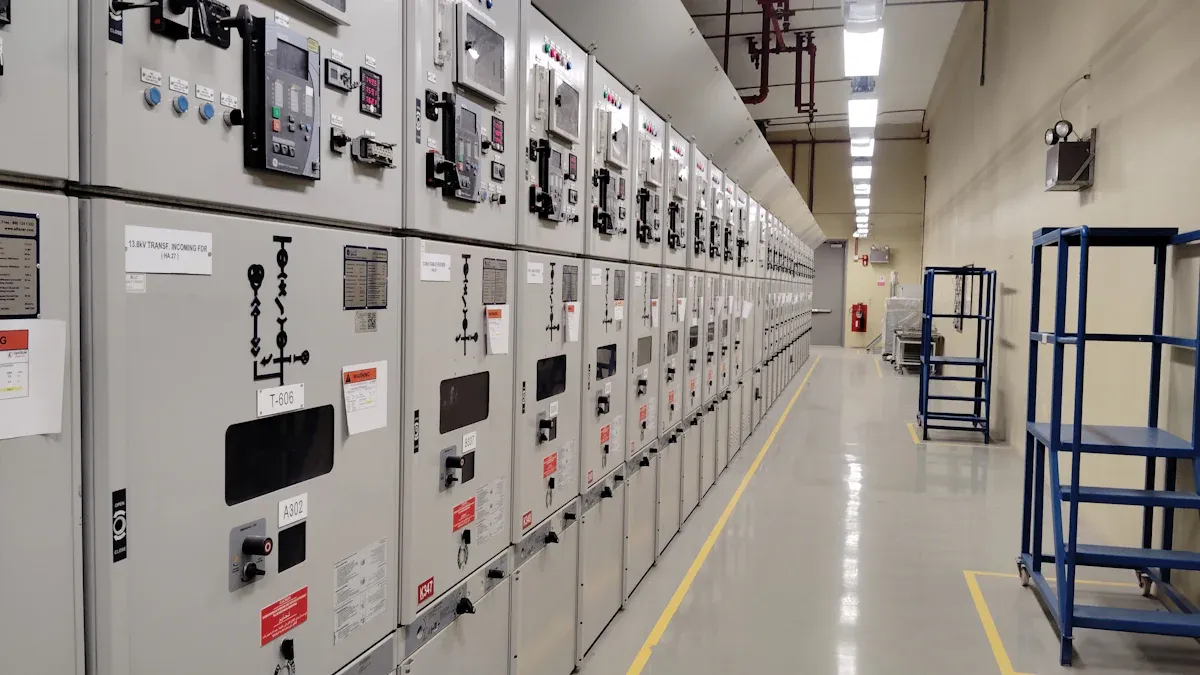
Switchgear helps keep electrical systems safe and working well. It is made up of devices like circuit breakers, fuses, and switches. These work together to control and protect electricity. You can find switchgear in control panels. These panels help manage power in homes, schools, and businesses. Low voltage switchgear is used most in commercial buildings. It works in systems with less than 1000 volts. This type protects against short circuits and overloads. It is important for daily use.
Switchgear comes in many shapes and sizes. You see it in small control panels and big cabinets in factories. It helps keep equipment safe and power steady. Switchgear separates broken parts from the rest of the system. This keeps everything running smoothly.
Functions in Electrical Systems
Switchgear does many important jobs in electrical systems. It controls how power moves and keeps equipment safe. Switchgear checks and measures electricity. This helps you find problems early. It makes your power system more reliable and steady. New switchgear can automate and make your power system smarter.
Here are ways switchgear helps:
Keeps electricity running, so there is less downtime.
Quickly finds and separates faults, stopping big outages.
Makes things work better with smart monitoring and control.
Manages and protects power, keeping networks stable.
Stops problems and keeps power going.
Finds faults fast and separates them, so other parts work.
Regular checks find problems early and stop equipment failure.
Stops damage by separating faults, keeping power on.
Lets you do maintenance by isolating parts of the network.
New switchgear with remote monitoring makes things work better.
Tip: Checking switchgear often helps stop surprises and keeps things safe.
Mechanism | Description |
|---|---|
Fault Isolation | Switchgear finds faults early and separates the bad part. This stops problems from getting worse and lets the rest work safely. |
Arc Flash Protection | Arc resistant switchgear keeps energy from arc flashes inside. It protects people with strong boxes and vents. |
Surge Protection | Switchgear watches voltage and turns off power during surges. This protects equipment and lowers fire risk. |
Monitoring and Control | Modern switchgear uses sensors to watch systems all the time. It finds problems right away and helps fix them fast to keep things safe. |
You see switchgear’s features and benefits every day. It keeps your power system safe, steady, and working well.
Voltage Levels in Switchgear
Switchgear has three main voltage levels. Each level has its own job in power systems. You see these in homes, businesses, factories, and power grids. The voltage level tells you where to use switchgear and how it protects your system.
Voltage Classification | Voltage Range | Common Applications |
|---|---|---|
Low Voltage (LV) | Up to 1 kV | Residential setups, commercial buildings, light industries |
Medium Voltage (MV) | 1 kV to 35 kV | Industrial substations, power distribution, large motors |
High Voltage (HV) | Above 35 kV | Bulk power transfers over long distances |
Low-Voltage Switchgear
Low-voltage switchgear is for places with less than 1,000 volts. It protects homes, offices, schools, and small factories. It keeps lights, computers, and machines safe from problems. You find it in control panels and boards.
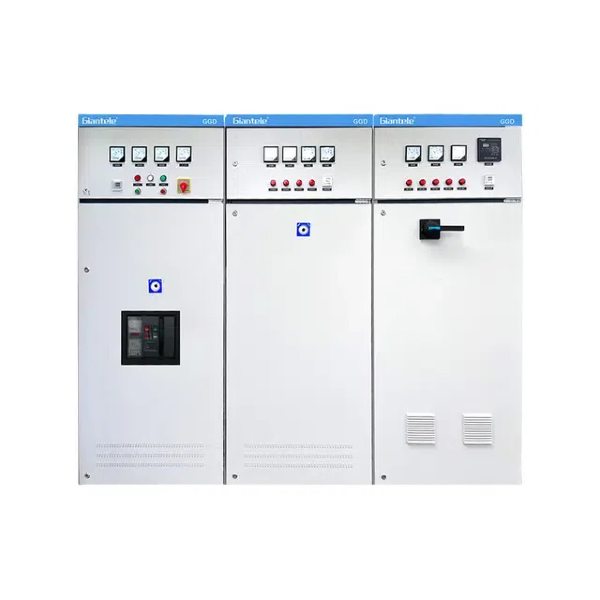
Low-voltage switchgear helps manage power in many places. Here are some ways it is used:
Application Type | Description |
|---|---|
Commercial Buildings | Used in office buildings, hotels, malls, and schools for managing lighting and power outlets. |
Industrial Facilities | Divides electricity among sections of plants to prevent equipment damage during faults. |
Data Centers | Provides seamless transitions between main power systems and backup systems to prevent data loss. |
Residential Complexes | Controls power allocation in housing societies and protects appliances from voltage spikes. |
Hospitals and Healthcare | Ensures safety and reliability in sensitive medical environments. |
Transportation Hubs | Powers lighting and communication systems in busy public places like airports and railway stations. |
Renewable Energy Plants | Supervises and safeguards electric flow to the main grid in wind and solar farms. |
Shopping Centres and Supermarkets | Protects equipment from power surges and allows for energy-efficient operation. |
Public Utilities and Substations | Splits incoming electricity into smaller circuits for distribution to households and offices. |
Modern low-voltage switchgear saves energy and money. You can watch how much energy you use and find problems early. Here are ways it helps you use less power:
You check energy use with special features.
You watch power quality, like power factor and distortion.
You waste less power, saving up to 18% each year.
Tip: Smart switchgear can help you pay less for energy and keep your equipment safe.
Medium-Voltage Switchgear
Medium-voltage switchgear works with 1,000 to 35,000 volts. You see it in factories, big buildings, and power stations. It helps control and protect bigger electrical loads. You need it where power use is high.
Industries like renewable energy, factories, and city buildings use medium-voltage switchgear. You also see it in fast-growing cities, especially in Asia-Pacific places like China and India. These areas need steady power for growth.
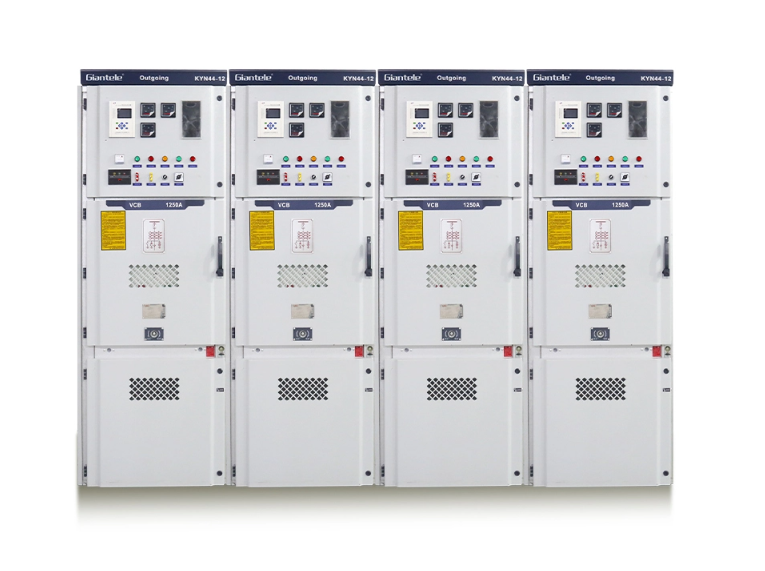
Medium-voltage switchgear keeps you safe with strong safety steps:
You wear protective gear to stay safe.
You keep away from live equipment.
Remote racking lets you use switchgear from far away.
You ground equipment before touching it.
You treat all high-voltage equipment as live until you check it.
Note: Always follow safety rules when using medium-voltage switchgear.
High-Voltage Switchgear
High-voltage switchgear is for more than 35,000 volts. It moves lots of electricity over long distances. You find it in power grids and national networks. It helps move power from plants to cities and factories.
High-voltage switchgear faces hard challenges. You deal with bad weather, strict rules, and need special training. Modern systems use smart relays and need skilled workers.
High-voltage switchgear makes the grid work better. Here is how it helps:
You control electricity flow well.
You connect renewable energy to the grid.
You use smart checks to stop outages and save money.
AI helps balance loads and stop overloads.
You find problems fast and keep the grid steady.
Callout: High-voltage switchgear keeps the power network strong and ready for the future.
Switchgear at every voltage level protects your system and keeps power on. You pick the right type based on your needs, safety, and network size.
Insulating Mediums in Switchgear
Switchgear uses special materials to keep electricity safe. These are called insulating mediums. You pick the right one for where you use the switchgear. There are four main types. They are air insulated switchgear, oil insulated switchgear, gas insulated switchgear, and vacuum insulated switchgear. Each type has good and bad points.
Air Insulated Switchgear
Air insulated switchgear uses air to keep parts apart. You see this type in the countryside or suburbs. It works best where the weather is not too harsh. Clean and dry air is a good insulator.
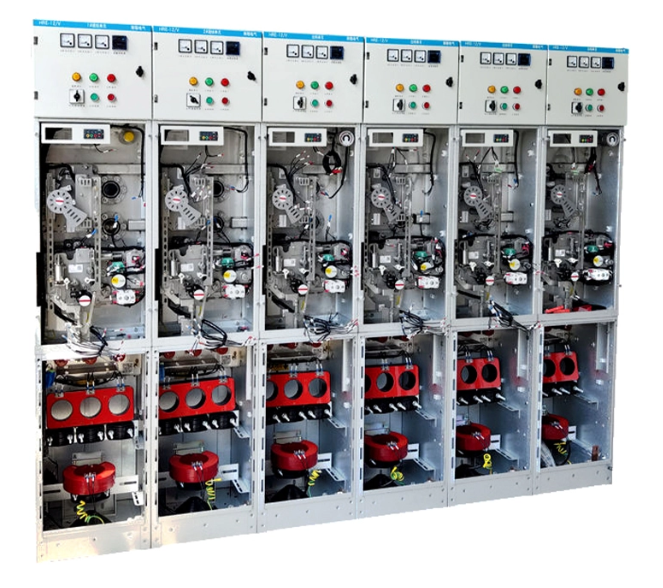
Here is a table that shows the main advantages and disadvantages:
Advantages of AIS | Disadvantages of AIS |
|---|---|
Cost-Effective | Large Footprint |
Simplicity | Environmental Exposure |
Environmentally Friendly | Higher Maintenance |
Easy Access | |
Flexibility |
Air insulated switchgear costs less and is easy to fix. It is also better for the environment because air does not pollute. But it takes up more space than other types. You need to check it often, especially if the weather changes a lot.
Tip: Air insulated switchgear is best where the air is clean and the weather is steady.
Oil Insulated Switchgear
Oil insulated switchgear uses oil to stop electricity from jumping. You find it in old power stations and big factories. Oil helps stop sparks and keeps things cool.
You have to watch for leaks with oil insulated switchgear. Oil spills can hurt the ground and water. If oil gets in rivers, it can harm fish and plants. Old oil can catch fire if not cared for. In wet places, oil insulated switchgear can have trouble. Water can cause rust and make the equipment break.
Leaks can make soil and water dirty.
Oil stays in the environment for a long time and can hurt animals.
Old oil with PCBs is very dangerous.
Wet air can cause rust and sticky dust, which can cause short circuits.
Note: Check oil insulated switchgear often to stop leaks and keep it safe.
Gas Insulated Switchgear
Gas insulated switchgear uses special gas, like SF6, to keep parts safe. You see it in cities where there is not much space. Over 41% of these systems are in city substations, especially in big cities in China, India, Brazil, and the UAE. These units use up to 70% less space than air insulated switchgear.
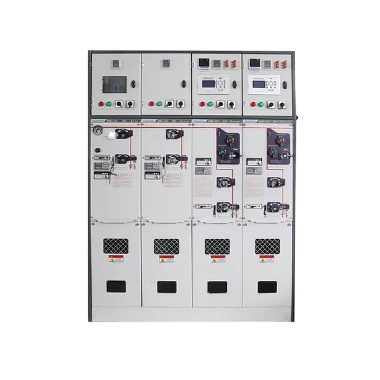
Gas insulated switchgear has many good points:
It works well in tough places because the gas keeps out dirt and water.
You spend less time and money fixing it.
The gas makes the system safe and reliable.
You can add more parts if you need more power.
SF6 gas gives strong insulation and stops sparks quickly.
Callout: Gas insulated switchgear is smart for cities and places where space is tight.
Vacuum Insulated Switchgear
Vacuum insulated switchgear uses a vacuum, or empty space, to stop electricity from jumping. You use it in both low and high voltage systems. It is very safe and lasts a long time.
You do not need to fix vacuum insulated switchgear often. For example, solid insulated switchgear needs checks every 5–10 years. Vacuum circuit breakers need checks every 1–2 years. Studies show solid insulated switchgear has 35% fewer outages from maintenance than older vacuum types. Vacuum insulated switchgear can last 20 to 30 years for low voltage and over 40 years for high voltage.
Type of Switchgear | Typical Lifespan |
|---|---|
Low Voltage | 20 to 30 years |
High Voltage | Exceeds 40 years |
Vacuum insulated switchgear is a good choice if you want something that lasts and is easy to care for.
Tip: Pick vacuum insulated switchgear if you want it to last a long time and need little maintenance.
Each type of switchgear uses a different insulating medium. You choose the best one by thinking about space, safety, the environment, and how often you want to do maintenance.
Switchgear Applications
Indoor Switchgear
Indoor switchgear is found inside buildings like offices and schools. It is small, so it fits in places with little space. The building keeps the equipment safe from rain and dust. Sunlight does not hurt it because it is indoors. The switchgear has covers made of metal or other materials. These covers protect the parts and make fixing easier. You can check and fix the system without bad weather.
Indoor switchgear works best in places with steady temperature. The equipment lasts longer because it stays dry and cool. You save space and do not need extra covers for weather.
Aspect | Indoor Switchgear | Outdoor Switchgear |
|---|---|---|
Design | Compact size | Bulky size |
Location | Inside buildings | Outside buildings |
Materials | Metallic/non-metallic | Weather-resistant |
Maintenance | Easier | More challenging |
Installation Space | Less space needed | More space needed |
Protection | No weather protection | Needs weather protection |
Tip: Pick indoor switchgear if you want easy repairs and longer life for your equipment.
Outdoor Switchgear
Outdoor switchgear is placed outside near power lines or substations. You use it when you cannot put equipment inside. It is made from strong materials that stand up to rain and wind. The equipment needs protection from things like salt spray and flooding.
Weather can change how outdoor switchgear works. Salt spray can make metal parts rusty. Rust can break the insulation and cause problems. Cold and warm weather can crack parts and let water in. Wildfires and sunlight can damage insulation. Flooding can cause short circuits.
Environmental Factor | Impact on Performance |
|---|---|
Salt Spray | Corrosion, insulation failure, electrical arcing |
Freeze-Thaw Cycles | Cracks, moisture ingress, component damage |
Wildfires | Damaged insulation, higher risk of failure |
Flooding | Corrosion, gas leaks, short circuits |
UV Radiation | Degraded insulation, reduced cable durability |
Note: Always look at outdoor switchgear for weather damage to keep your power system safe.
Pick outdoor switchgear when you need to protect big networks or have no room inside. Plan for more repairs and use tough materials for harsh weather.
Key Switchgear Components
Switchgear systems have many important parts. These parts keep your electrical network safe and working well. Each part has its own job. You should know how these parts work together. This helps protect your equipment and stops accidents.
Circuit Breakers
Circuit breakers are the main safety guards in switchgear. They look for problems like short circuits or too much current. When they find a problem, they open fast to stop electricity. This keeps your system safe and protects people. Circuit breakers use different ways to stop the arc that happens when they break high currents. Some cool the arc, some split it, and some stop it at zero current. You see circuit breakers in almost every switchgear setup. They protect against many types of faults.
Circuit breakers sense trouble using heat or magnets.
They open quickly to stop damage.
Special designs help put out dangerous arcs.
Protective Relays
Relays are like the brains of your protection system. They always check things like voltage, current, and frequency. If relays find something wrong, they tell circuit breakers to trip. This stops the problem from spreading and keeps things safe. Relays must work fast and be accurate for good protection.
Relays watch your system all the time.
They decide when to act and tell circuit breakers.
Fast teamwork keeps your network safe.
Contactors
Contactors help you control power in switchgear. They turn circuits on and off during normal times, not during faults. Contactors do not sense problems or stop arcs like circuit breakers. You use contactors to start motors or turn on lights. They may spark more than circuit breakers, but they are good for regular switching.
Feature | Contactor | Circuit Breaker |
|---|---|---|
Main Job | Controls power | Protects against faults |
Works During | Normal conditions | Faults |
Sensing System | None | Yes |
Arc Quenching | None | Yes |
Typical Use | Motor control, lighting | Fault protection |
Disconnectors
Disconnectors, or isolators, let you safely cut off power. You use them when you need to fix or check equipment. Disconnectors make sure no electricity goes to the area you are working on. This stops shocks and keeps workers safe. You can only open disconnectors when there is no current. They do not stop faults but make sure it is safe to work.
Disconnectors stop power for safe repairs.
They keep equipment safe to work on.
Tip: Always use disconnectors before repairs to keep everyone safe.
Switchgear also uses other protective devices like fuses. Fuses protect against too much current. They melt and break the circuit if the current is too high. You find fuses in low voltage systems, often with switches. All these parts together make your switchgear strong and safe.
Component | Function |
|---|---|
Arc Flash Mitigation | Lowers risks from electrical blasts by fixing faults and holding arcs inside. |
Earth Leakage Protection | Finds ground faults and cuts power to stop shocks and damage. |
Safe De-energization | Isolates equipment for repairs, stopping contact with live parts. |
Circuit Breakers | Stops circuits to prevent damage from too much current or short circuits. |
Switches | Opens and closes circuits, keeping parts apart. |
Fuses & Switch Fuse Units | Protects against too much current and helps isolate in low voltage systems. |
Protection Devices/Relays | Finds problems and trips to stop faults. |
Busbars | Shares power to different circuits in the switchgear. |
Instrument Transformers | Lowers high currents and voltages so you can measure safely. |
Enclosures | Protects parts from weather and keeps people safe. |
You need all these parts working together for a safe and good switchgear system.
You should know about switchgear types and what they do. This helps keep your electrical systems safe and working well. Picking the right switchgear stops problems and keeps power moving. Think about voltage, the insulation, and where you will put it. Good choices help you for a long time. The table below shows how switchgear helps:
Benefit | Description |
|---|---|
Safety First, Always | Switchgear finds problems and shuts off power. This stops fires and keeps people safe. |
Reliable Power Flow | It lowers blackouts and keeps things running smoothly. Power stays on and works well. |
Easy Maintenance and Repairs | You can fix things easily by turning off just one part. You do not have to shut down everything. |
Longer Equipment Life | Switchgear stops faults, so machines last longer. You do not need to replace things as often. |
Flexibility for Growth | You can add more parts if your business gets bigger. Switchgear can change as you need it. |
Better Energy Management | You control how much energy you use. This saves power and cuts down on waste. |
For the best results, ask an expert or learn more before you decide.
FAQ
What is the main job of switchgear?
Switchgear protects your electrical system. It finds faults and stops power quickly. This keeps your equipment safe and prevents fires or blackouts.
How do you choose the right switchgear for your needs?
You look at voltage, space, and where you will use it. Think about safety, how much maintenance you want, and if you need it inside or outside.
Why do you need different insulating mediums in switchgear?
Different mediums, like air, oil, gas, or vacuum, help stop electricity from jumping. Each type works best in certain places and conditions.
Can you use indoor switchgear outside?
No, you cannot. Indoor switchgear does not have weather protection. Outdoor switchgear uses strong materials to handle rain, sun, and dust.