English


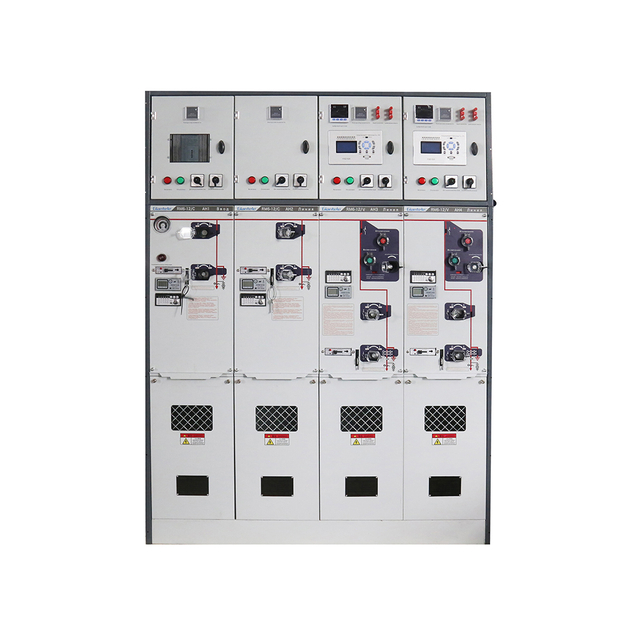
Distribution panel systems improve power management efficiency in industrial and commercial facilities. A distribution panel, also called a power distribution board or electrical panel, helps distribute electricity safely and effectively.
Different distribution panel types support different electrical applications. Choosing the correct panel improves operational safety, energy efficiency, and system reliability.
This guide explains the best distribution panel types for efficient power management. It also covers IEC standards, installation tips, and important selection factors.
Main distribution panels manage incoming electrical power from the utility source.
These electrical panels distribute power to multiple sub-panels and branch circuits. They support centralized power management and improve operational control.
Main panels usually handle larger electrical loads because they connect directly to the primary power supply.
Sub distribution panels distribute power to localized electrical loads.
These power distribution boards improve cable management and reduce installation complexity. They also simplify maintenance work because operators can isolate local circuits easily.
Sub distribution panels commonly support office buildings, factories, and commercial facilities.
Motor Control Center panels manage industrial motors and automation equipment.
These electrical panels include motor starters, protection devices, and monitoring systems. MCC panels improve motor protection and operational reliability.
Industrial facilities often use MCC panels because they simplify motor control and maintenance procedures.
Power distribution boards support lighting systems, HVAC equipment, elevators, and office electrical systems.
These distribution panel systems improve electrical organization and energy management inside commercial buildings.
Modern power distribution boards also support energy monitoring and smart building integration.
Smart distribution panels include digital monitoring and communication systems.
Operators can monitor voltage, current, power consumption, and fault conditions in real time.
Intelligent electrical panels improve energy efficiency because they support predictive maintenance and energy optimization.
Outdoor distribution panels operate in difficult environmental conditions.
These electrical panels require stronger enclosure protection against dust, water, humidity, and temperature changes.
IP54 and IP65 enclosure ratings improve operational reliability in outdoor applications.
Modular distribution panels support future electrical expansion.
Operators can add circuits and components without replacing the entire electrical panel system.
This flexibility reduces upgrade costs and improves long-term scalability.
Correct load evaluation improves electrical system performance.
Engineers should calculate current demand, connected equipment, and future expansion requirements before selecting a distribution panel.
Voltage and current ratings must match project requirements.
Incorrect ratings may cause overheating, operational instability, and equipment damage.
Proper electrical panel sizing improves safety and operational efficiency.
Indoor electrical panels operate inside protected electrical rooms.
Outdoor distribution panel systems require stronger protection because environmental conditions can damage electrical equipment.
Proper enclosure design improves long-term reliability.
Electrical systems often expand over time.
A modular power distribution board design supports future upgrades without major system modifications.
Scalable distribution panel systems improve operational flexibility and reduce maintenance costs.
Circuit breakers protect electrical systems from overload and short-circuit conditions.
Modern electrical panels may include:
● MCCBs
● MCBs
● ACBs
● Protection relays
These devices improve equipment safety and system stability.
Busbars distribute electrical power inside the panel.
Copper busbars improve conductivity and reduce heat generation. Proper busbar design also improves current carrying performance.
Reliable busbar systems improve power distribution efficiency.
Modern distribution panel systems often include monitoring devices.
Operators can monitor:
● Voltage
● Current
● Energy consumption
● Power quality
● Fault conditions
Real-time monitoring improves maintenance planning and energy management.
Good grounding protects personnel and electrical equipment during fault conditions.
Organized cable management simplifies maintenance work and improves electrical safety.
Proper cable routing also improves ventilation and reduces overheating risks.
IEC 61439 is the key standard for low voltage distribution panel systems.
IEC 61439-1 defines general requirements including:
● Temperature rise limits
● Insulation performance
● Mechanical strength
● Enclosure protection levels
IEC 61439-2 focuses on power switchgear and distribution panels operating under high current conditions and short-circuit stress.
The standard also emphasizes temperature rise verification and structural stability during fault conditions.
IEC 61439-3 applies to distribution boards operated by ordinary personnel and focuses more on protection against electric shock.
These standards improve operational reliability and electrical safety.
CE marking supports international market access for electrical panels.
The Low Voltage Directive (LVD 2014/35/EU) focuses on electrical safety during normal operation and single fault conditions.
EMC compliance (2014/30/EU) reduces electromagnetic interference (EMI) and improves immunity against external electromagnetic signals (EMS).
Good EMC performance helps prevent communication interference and control system malfunction caused by external signals.
These requirements improve equipment stability and operational reliability.
IP ratings define enclosure protection capability.
For example:
● IP30 supports indoor applications
● IP54 protects against dust and water splashes
● IP65 provides stronger outdoor protection
Correct IP protection improves equipment lifespan and environmental resistance.
Electrical panels generate heat during operation.
Good ventilation and strong panel structures improve temperature management and operational safety.
Distribution panels must also withstand short-circuit conditions safely.
Strong mechanical structures improve fault resistance and reduce operational risks.
Factories require reliable electrical distribution systems.
Distribution panels support production machinery, automation equipment, and motor control systems.
Stable electrical distribution improves manufacturing efficiency.
Commercial buildings use electrical panels for lighting, elevators, HVAC systems, and office equipment.
Reliable power distribution improves operational stability and energy efficiency.
Renewable energy systems use distribution panels for solar power systems, wind farms, and battery storage systems.
Modern power distribution boards improve energy management and system flexibility.
Infrastructure projects require continuous electrical supply.
Distribution panel systems support airports, hospitals, railways, and utility facilities because these projects demand stable power distribution.
Correct installation improves operational reliability and electrical safety.
Install the electrical panel on a stable surface and maintain proper ventilation space around the enclosure.
Routine maintenance reduces unexpected failures.
Maintenance teams should inspect:
● Circuit breakers
● Busbar connections
● Grounding systems
● Cable conditions
● Ventilation systems
Preventive maintenance improves equipment lifespan.
Common distribution panel problems include:
● Overheating
● Loose cable connections
● Moisture ingress
● Insulation failure
● Circuit breaker malfunction
Early troubleshooting reduces downtime and repair costs.
Smart monitoring systems improve energy management.
Operators can identify abnormal power consumption and optimize electrical performance.
Energy monitoring also supports predictive maintenance planning.
Choosing the correct distribution panel improves power management efficiency, operational safety, and system reliability.
Different electrical panel types support different industrial, commercial, and infrastructure applications.
Project teams should consider IEC compliance, IP protection, load requirements, and future expansion needs before selecting a distribution panel solution.
Well-designed power distribution boards improve energy management and long-term operational performance.
A: It distributes electrical power safely to multiple circuits and loads.
A: MCC panels and modular distribution panels work well for industrial systems.
A: It defines safety and performance requirements for low voltage panels.
A: They monitor energy use and help reduce power waste.