


A distribution panel manages how electricity moves in your building. You use it to send power safely to rooms and machines. This main box keeps you safe from too much electricity. It also helps your system work well. New upgrades can help a lot. For example, a place in Southeast Asia used smart panels with digital checks. They had fewer power problems and saved money on energy. Picking the right distribution panel helps keep your place safe and working well.
Key Takeaways
A distribution panel controls and sends electricity to parts of a building. It keeps circuits safe from too much power and faults.
Picking the right panel depends on your building’s power needs. You also need to think about the environment and future plans. This helps your system stay safe and work well.
Checking and taking care of your panel often stops problems like overheating. It also prevents loose wires and breaker trips. This makes sure everything works smoothly.
Clear labels and good grounding make things safer. They help you find circuits fast and lower the chance of electric shock.
Always follow electrical rules and get expert help when needed. This keeps your system safe and stops expensive accidents.
Distribution Panel Overview
What Is a Distribution Panel
A distribution panel helps you control electricity in your building. It is the main spot where power gets managed. The panel takes in energy from the main source and sends it out to different places. Inside, you will see main breakers, bus bars, and circuit breakers. These parts keep your system safe and help it work well.
Tip: Always look at the labels on your panel. This helps you know which circuit goes to each area.
A distribution panel does many important jobs:
It gets power from the main supply.
It sends power safely around your building.
It spreads out the load on each circuit.
It protects against too much current or short circuits.
It can shut off bad equipment.
It checks the quality of your power.
You need these things to keep your electrical system safe and working right.
How It Works
Electricity comes from the utility service and goes through a meter. Then, it enters the main bus bar in the distribution panel. The main breaker controls how much power goes in and keeps things safe. Circuit breakers connect to the bus bar and send power to each circuit. When you turn on something, power moves from the panel through wires to your device. The circuit is complete when power goes back through the neutral bus bar.
Here are the steps for how it works:
Power goes through a transformer to a power distribution cabinet. This makes the voltage safe.
The panel board has a main breaker and branch breakers.
Each branch circuit gives power to things like lights or outlets.
Bus bars move electricity and connect to the power lines.
Circuit breakers on the bus bar let power go to devices.
This setup lets you control and protect every circuit in your building.
Why It Matters
You count on the distribution panel to keep things safe and working. New panels have features that protect you and your stuff.
Here is a table with some important safety features:
Safety Feature | Description |
|---|---|
Arc Flash Protection | Panels use special parts and vents to lower energy during problems. |
Ground Fault Protection | Systems have settings for big equipment to keep people safe. |
Lockout/Tagout Provisions | Panels have locks and clear labels for safe work and turning off power. |
Electrical faults can lead to fire, equipment damage, and costly downtime. In the United States alone, residential building electrical malfunction fires caused about $1.50 billion in dollar loss in 2023, according to the U.S. Fire Administration.
Fires or explosions can start if equipment breaks.
You might get fines or have to stop work if you break rules.
Insurance might not pay if your panel is not right.
Shock risks go up if there is not enough space.
Dust and dirt can make things too hot and cause fires.
Small spaces make fixing things harder and can break equipment.
You could get in trouble if someone gets hurt from a bad panel.
You keep your building, equipment, and people safe by picking and taking care of the right distribution panel.
Key Components
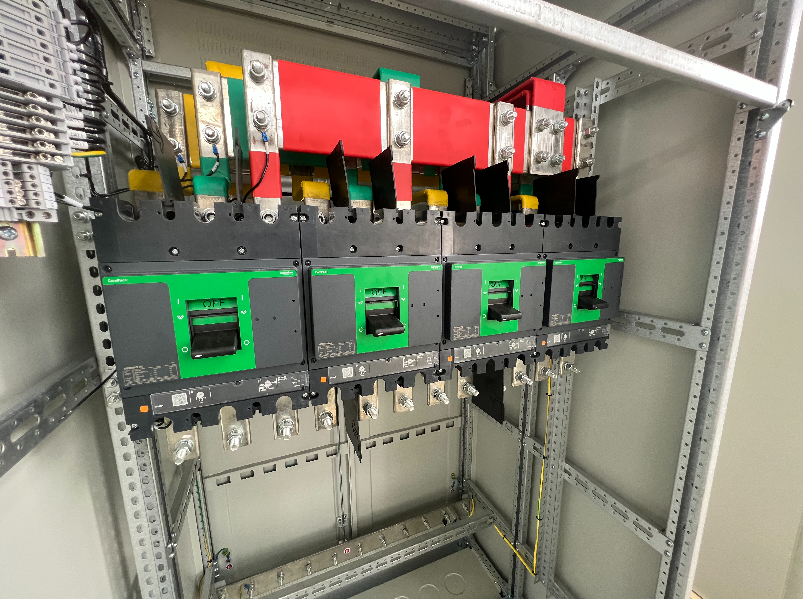
Main Breaker and Bus Bars
The main breaker is in the center of every distribution panel. This breaker is the main switch for your system. It stops too much current and lets you turn off power if needed. Bus bars are inside the panel and move electricity from the main breaker to each branch circuit. They work all the time and help share power evenly.
Here is a table that shows what they do:
Component | Function |
|---|---|
Main Breaker | Works as the main switch, stops too much current, and lets you turn off power. |
Bus Bars | Move power from the main breaker to branch circuits, made to work all the time. |
Circuit Breakers and Fuses
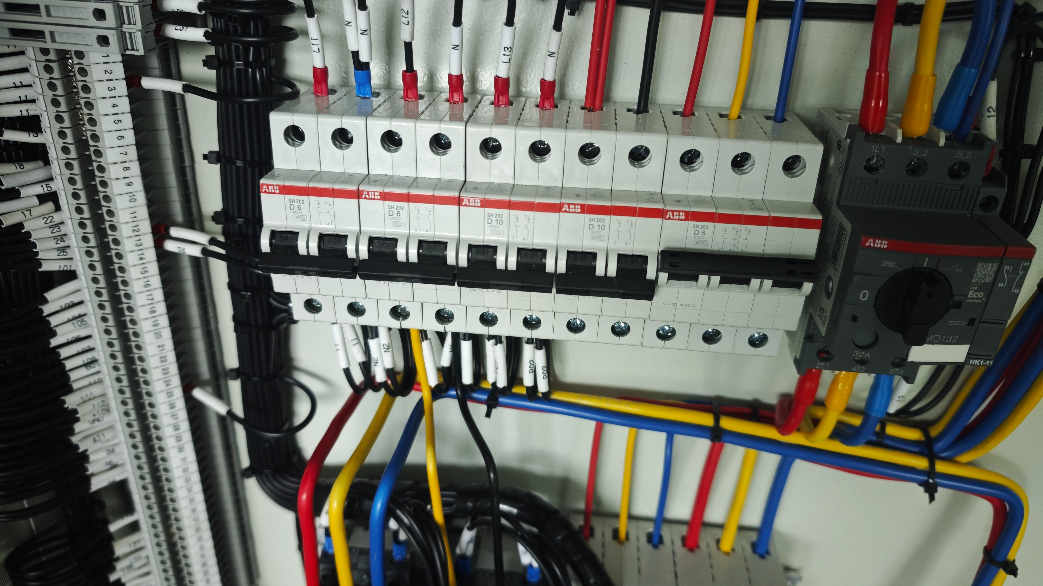
Circuit breakers and fuses protect each circuit in your system. Circuit breakers stop electricity if there is too much current. Fuses do this too, but you must replace them if they blow. These parts keep your equipment safe and stop fires. You can reset a breaker fast, but you have to put in a new fuse if it fails. Both are needed to keep your electrical system working well.
Neutral and Ground Bars
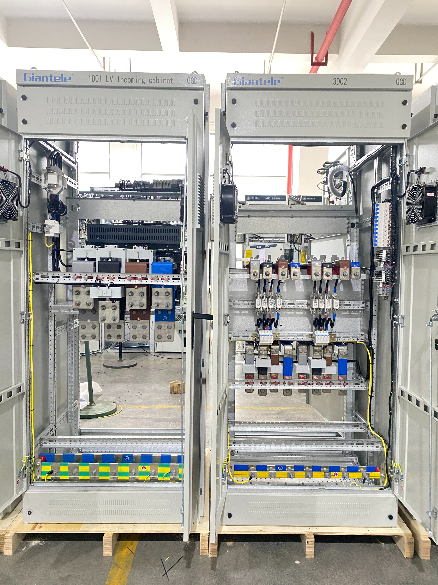
Neutral and ground bars help keep things safe. They give electricity a safe way back to the ground. This lowers the chance of getting shocked. In places like factories, you must pick the right size bars. They handle extra current from machines and keep your system steady. Using different neutral and ground bars helps your system stay safe, especially when machines make extra currents.
Enclosure and Labels
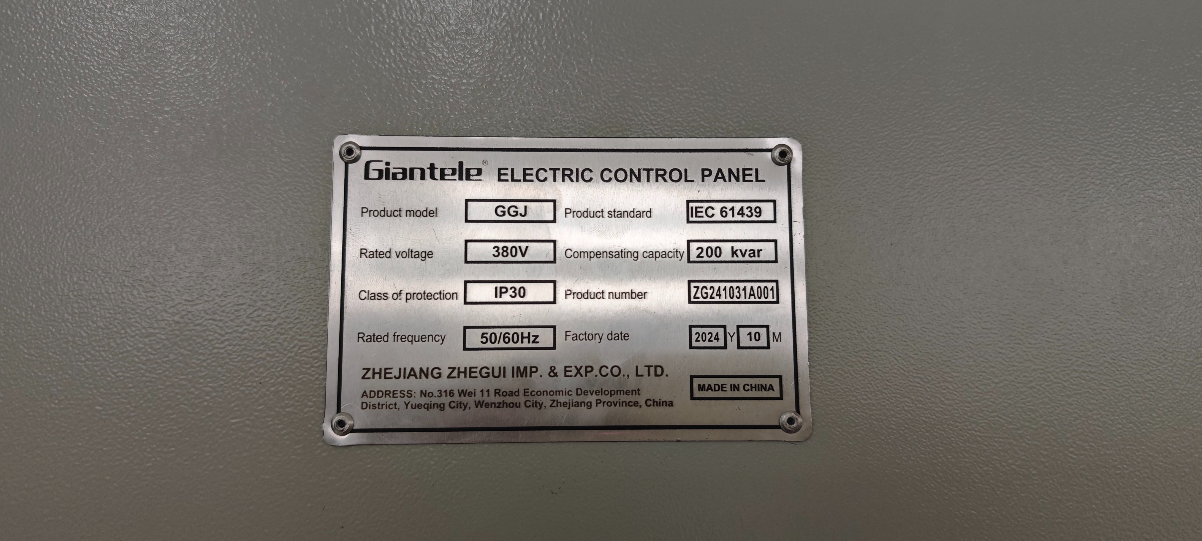
The enclosure keeps all the parts inside your panel safe. It blocks dust, water, and other dangers. You need clear labels to show what each circuit does. Good labels help you find problems quickly and keep workers safe.
Here is a table with important rules for enclosures and labels:
| Standard | Description |
|---|---|
| IEC 61439-1 | General rules for low-voltage switchgear and controlgear assemblies, including construction and verification requirements. |
| IEC 60445 | Requirements for identification and marking of terminals, conductor terminations, and conductors. |
| IEC 60529 | Defines IP ratings for enclosure protection against dust and water ingress. |
Tip: Always look at the labels before you work on any circuit. Good labels help you act fast in emergencies and stop mistakes.
Types of Distribution Panels
Main and Sub Distribution Panels
Most buildings have two main types of panels. These are main distribution panels and sub distribution panels. The main panel is close to the power source. This could be a transformer or a generator. It handles a lot of electricity and sends it to different places. Sub panels get power from the main panel. They split it into smaller circuits for rooms or machines.
Here is a table that shows how they are different:
Aspect | Main Distribution Panel | Sub Distribution Panel |
|---|---|---|
Function | Distributes large power loads | Divides power into smaller circuits |
Load Capacity | High-load applications | Low- to medium-load applications |
Location | Near power source | Closer to service areas |
Circuits Controlled | Few, high-load circuits | Many low-load circuits |
Protection Devices | High-capacity breakers | MCBs, MCCBs, RCBOs |
Maintenance Needs | Industrial-grade inspections | Routine facility maintenance |
Tip: Sub panels help make wiring easier in big buildings or when you add new rooms.
Lighting and Power Panels
Lighting panels and power panels do different things. Lighting panels control the lights in places like offices or parking garages. Power panels send electricity to outlets, machines, and appliances. You can see the main differences in this table:
Feature | Lighting Panel | Power Panel |
|---|---|---|
Breaker Amperage | 15-20A (lower amperage) | 20-30A (higher amperage) |
Function | Designed for lighting circuits | Serves receptacles, equipment, and appliances |
Typical Usage | Offices, warehouses, parking garages | Kitchens, workshops, industrial facilities |
Special Features | Lighting control systems, remote switching | Dedicated circuits for high inrush currents |
Note: Lighting panels often let you turn lights on and off from one place.
Residential, Commercial, Industrial
Different buildings use different panels. Homes, businesses, and factories each need special panels. Each type has its own features:
Residential panels are commonly used in homes and small buildings, where the focus is safe final distribution, clear circuit identification, and easy day-to-day operation.
Commercial panels are used in offices, shopping centers, schools, hotels, and similar facilities. In these projects, designers usually pay more attention to circuit quantity, load management, maintenance access, and future expansion than to a single current value.
Industrial panels are built for factories, utilities, and infrastructure projects, where reliability, fault protection, equipment coordination, and environmental suitability are critical.
Here is a table to compare them:
| Type | Typical Application | Typical Configuration | Main Design Focus |
|---|---|---|---|
| Residential / Small Building | Apartments, villas, small buildings | Compact low-voltage distribution boards matched to the local utility system | Safe final distribution, ease of operation, clear labeling |
| Commercial / Institutional | Offices, schools, hotels, malls, hospitals | Larger low-voltage panelboards or switchboards with more outgoing feeders | Load management, maintenance access, expansion flexibility |
| Industrial / Infrastructure | Factories, mining sites, substations, renewable energy projects | Low-voltage assemblies or medium-voltage switchgear selected according to project voltage, fault level, and service conditions | Reliability, protection coordination, environmental durability, maintainability |
A distribution panel in each place is made to fit the needs of the building and the equipment inside, in IEC-oriented markets, low-voltage distribution projects are often based on 380V, 400V, or 415V class systems, while medium-voltage equipment is selected according to project requirements such as 6kV, 10kV, 12kV, or 24kV class applications.
Applications
Homes and Buildings
A distribution panel helps control electricity in your home or building. It sends power to different rooms and devices. The main electrical distribution box is close to where power comes in. It gives power to all the circuits in your house. If you have a garage or workshop that is not attached, a subpanel brings power from the main house. In big buildings, distribution boards handle more power and use many subpanels. Factories use industrial control centers to give power and control machines.
Application Type | Description |
|---|---|
Main Electrical Distribution Box | Put near where power enters, sends power to house circuits. |
Detached Building Subpanels | Sends power from the main house to garages or workshops. |
Commercial Distribution Boards | Used in big buildings for more power, often with many subpanels. |
Industrial Control Centers | Special equipment for factories to give power and control machines. |
Tip: Always read the panel labels before working on any circuit. This keeps you safe and helps you not make mistakes.
Industrial and Commercial Use
Factories and businesses use distribution panels to handle lots of electricity. These panels control power for machines, lights, and other equipment. In businesses, panels often use three-phase systems for big machines. Checking the panels often stops problems like broken wires or loose parts.
Distribution panels send power to many machines and systems in businesses.
They use strong three-phase systems for big machines.
Checking them often stops problems like broken wires or loose parts.
Component | Function |
|---|---|
Electrical Distribution Diagrams | Help keep power use even and follow rules. They need to be updated often. |
Control power to each circuit, keeping things safe and working well. |
Zhejiang Zhegui Electric Co., Ltd. helps with these jobs by making advanced products. You get panels that can grow, use green energy, and do not need much fixing. Zhegui’s panels are ready for automation and follow world safety rules. The company sells products all over the world and cares about quality. This helps you meet new electrical needs easily. Zhegui also offers panel and cabinet solutions that can be specified with suitable materials, coatings, and enclosure designs for humid or demanding environments, helping improve corrosion resistance, durability, and long-term operational reliability.
Note: Picking a good company like Zhegui means your panel is safe and ready for the future.
Choosing a Distribution Panel
Load and Capacity
You need to know how much electricity your building uses before picking a distribution panel. First, check every device, light, and machine that will use the panel. This helps you stop overloads and keeps things safe. Use the table below to see what to check:
Factor | Description |
|---|---|
Load Analysis | Check all equipment, motors, and lights that need power. |
Environmental Considerations | Think about temperature, moisture, and other things that affect how long your panel lasts. |
Future Expansion Planning | Leave space for more breakers and plan for 30-50% more power in the future. |
Compliance | Make sure your panel meets local rules and safety standards. |
Tip: Always plan for more power than you need now. This helps you add new things later without trouble.
Environment and Location
Where you put your panel is important. The right place keeps your system safe and working well. Look at these points:
Hot and humid locations may require better ventilation, anti-condensation measures, and enclosure protection suited to moisture exposure.
Areas with frequent rain, dust, or outdoor installation conditions may need higher IP-rated enclosures.
If the air contains salt, chemicals, or industrial pollutants, choose materials and surface treatments with better corrosion resistance.
In lightning-prone regions, surge protection and proper grounding design become more important.
In places with unstable grid quality, it is important to consider voltage fluctuation tolerance, protection coordination, and monitoring functions
Note: Pick a panel that fits your building’s environment for the best safety and performance.
Codes and Standards
You must follow rules when you put in a distribution panel. These codes keep you and your building safe. Check the table below for key standards:
| Code / Standard | Description |
|---|---|
| IEC 61439-1 | General rules for low-voltage switchgear and controlgear assemblies |
| IEC 61439-2 | Requirements for power switchgear and controlgear assemblies |
| IEC 61439-3 | Requirements for distribution boards intended to be operated by ordinary persons |
| IEC 60364-4-41 | Protection against electric shock |
| IEC 60364-4-43 | Protection against overcurrent |
| IEC 60364-5-54 | Earthing arrangements and protective conductors |
| IEC 60529 | Degrees of protection provided by enclosures (IP Code) |
| IEC 62271-200 | AC metal-enclosed switchgear and controlgear for rated voltages above 1 kV and up to 52 kV |
You should use clear, strong labels on every circuit. Labels must last, show the right information, and get updated if you change anything.
Planning for Expansion
Think about the future when you pick your panel. If you want to add more machines or rooms, get a panel with extra space for new breakers. This saves you time and money later. Many experts say to plan for 30-50% more capacity than you need now. This way, your system can grow with your needs.
Tip: Talk to a trusted company like Zhejiang Zhegui Electric Co., Ltd. for panels that are easy to upgrade and ready for the future.
Safety and Compliance
Overcurrent Protection
You must keep your electrical system safe from too much current. Overcurrent protection devices, like circuit breakers, help with this job. They look for overloads or short circuits. If they find a problem, they stop the electricity right away. This keeps your wires and devices from getting hurt. Using these devices lowers the chance of fire or broken equipment.
Circuit breakers are overcurrent protection devices.
They stop electricity if there is an overload or short circuit.
This keeps wires and devices from getting damaged.
Grounding and Bonding
Good grounding and bonding protect you from electric shock. In subpanels, you must keep neutral and ground bars apart. This stops dangerous paths for electricity. Take out the bonding screw between the neutral and ground buses in subpanels. Put in separate neutral and ground bus bars. Use a 4-wire feeder with two hot wires, one neutral, and one ground from the main panel to the subpanel. The grounding wire goes only to the ground bus. The neutral wire goes only to the neutral bus.
In IEC-based installations, grounding and protective conductor arrangements should follow the applicable earthing system and the requirements of standards such as IEC 60364-4-41 and IEC 60364-5-54. In panel design, protective conductors, neutral conductors, and their terminations should be clearly identified and properly arranged to reduce shock risk, support fault protection, and maintain system safety.
Accessibility and Labeling
You should be able to reach your panel fast in emergencies. Clear labels show which breaker controls each place. Always update your circuit list when you make changes. Labels must last and be easy to read. Good labels help you act quickly and not make mistakes.
Tip: Use permanent markers or printed labels so they last longer.
Electrical Codes
You must follow applicable electrical codes and standards to keep your system safe, compliant, and reliable. In many power distribution projects across Southeast Asia, the Middle East, and Africa, distribution panels are commonly selected and installed according to IEC-based standards. Here is a table with some important IEC standards related to panel design, protection, and installation.
| Requirement Area | IEC-Based Reference | Description |
|---|---|---|
| Assembly construction and verification | IEC 61439-1 / IEC 61439-2 | Covers design, construction, technical characteristics, and verification of LV assemblies |
| Distribution boards for ordinary persons | IEC 61439-3 | Applies to distribution boards intended to be operated by ordinary persons |
| Overcurrent protection | IEC 60364-4-43 / IEC 60947-2 | Covers protection against overload and short circuit, and circuit-breaker requirements |
| Protection against electric shock | IEC 60364-4-41 | Covers safety measures to reduce electric shock risk |
| Earthing and protective conductors | IEC 60364-5-54 | Covers earthing arrangements and protective conductors |
| Marking and identification | IEC 60445 | Covers identification of terminals, conductors, and terminations |
| Enclosure protection | IEC 60529 | Defines the IP code for protection against dust and water ingress |
You keep your building safe by following these rules. A Distribution Panel that meets these standards helps you avoid fines and accidents.
FAQs
What is the main job of a distribution panel?
You use a distribution panel to send electricity safely to different parts of your building. It protects your circuits from overloads and helps you control your power system.
How often should you check your distribution panel?
You should check your panel every month for dust, heat, or loose wires. A yearly check by a professional keeps your system safe and working well.
Can you add more circuits to your panel later?
Yes, you can add more circuits if your panel has extra space. Always plan for future needs when you choose your panel.
Why do labels on the panel matter?
Labels help you find the right circuit fast. They keep you safe during repairs and stop mistakes when you turn off power.